culture
Spanish Christmas Traditions: A Complete Guide to How Spain Celebrates (2026)

Christmas in Spain runs from December 22 to January 6, with unique traditions you won't find anywhere else. Here's everything you need to know.
Spanish Christmas: Key Dates
Christmas in Spain is not a single day but an entire season, running from late December through January 6.
Forget everything you know about Christmas ending on December 25. In Spain, the celebrations are just getting started.
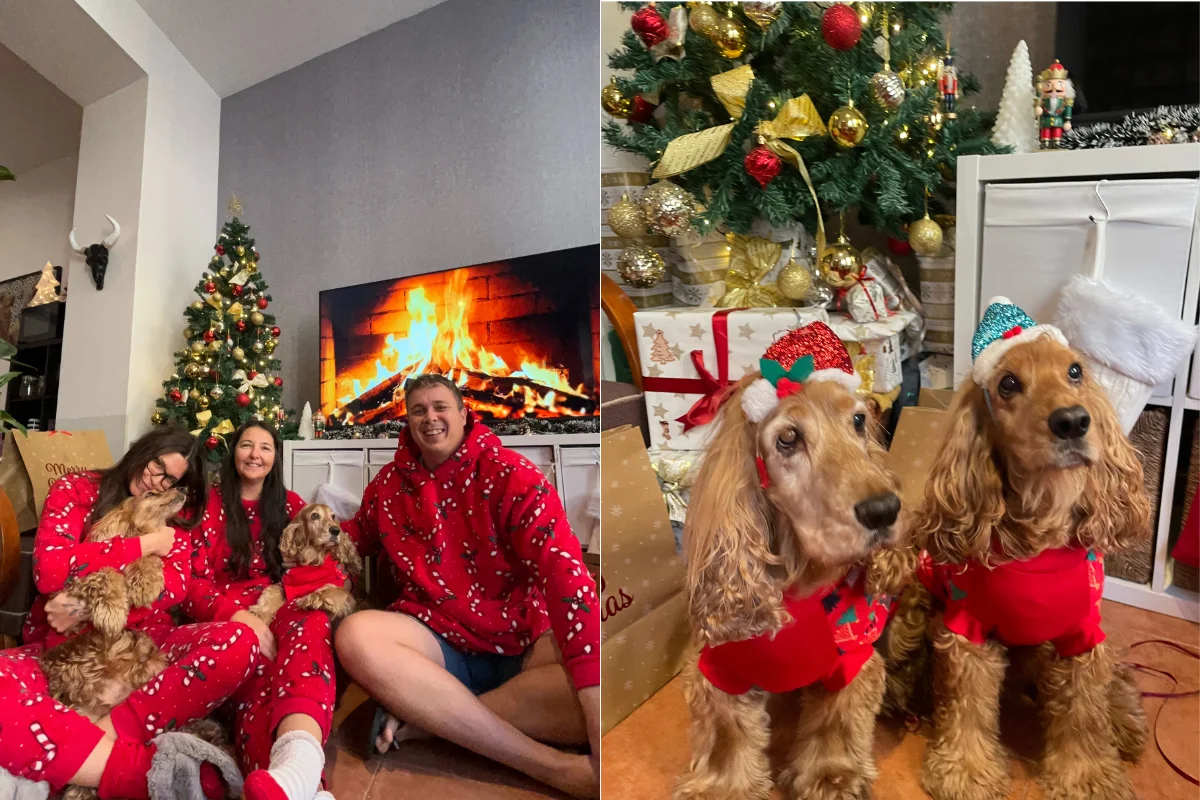
This is our third Christmas in Spain, and the experience feels like a mix of beautiful traditions and delightful surprises.
Instead of a summer holiday with family and friends back in South Africa, we've embraced a cosy, intimate winter Christmas in Malaga with just our family.
We love Spanish traditions and try to join in as much as possible, but we also hold onto some of our South African customs.
The blending of traditions makes for a fun and memorable holiday, especially when we share it with our local Spanish friends.
Compare hotel prices in Spain
Find the best deal across booking sites
The Spanish Christmas Calendar
Unlike most countries where Christmas peaks on December 25, Spain spreads its festivities across two weeks. Here's when everything happens:
| Date | Event | What Happens |
|---|---|---|
| December 22 | El Gordo lottery | The Christmas season officially begins |
| December 24 | Nochebuena | Main family dinner, midnight mass |
| December 25 | Navidad | Quiet family day, lunch gatherings |
| December 28 | Día de los Inocentes | Spanish April Fools' Day |
| December 31 | Nochevieja | 12 grapes at midnight, parties |
| January 5 | Cabalgata de Reyes | Three Kings parade through cities |
| January 6 | Día de Reyes | Children receive gifts, Roscón de Reyes |
Local tip
If you're visiting Spain during Christmas, plan around these dates. Many businesses close on December 24-25 and January 1. The Three Kings parade on January 5 is the biggest public spectacle and worth timing your trip around.
El Gordo: The World's Biggest Lottery
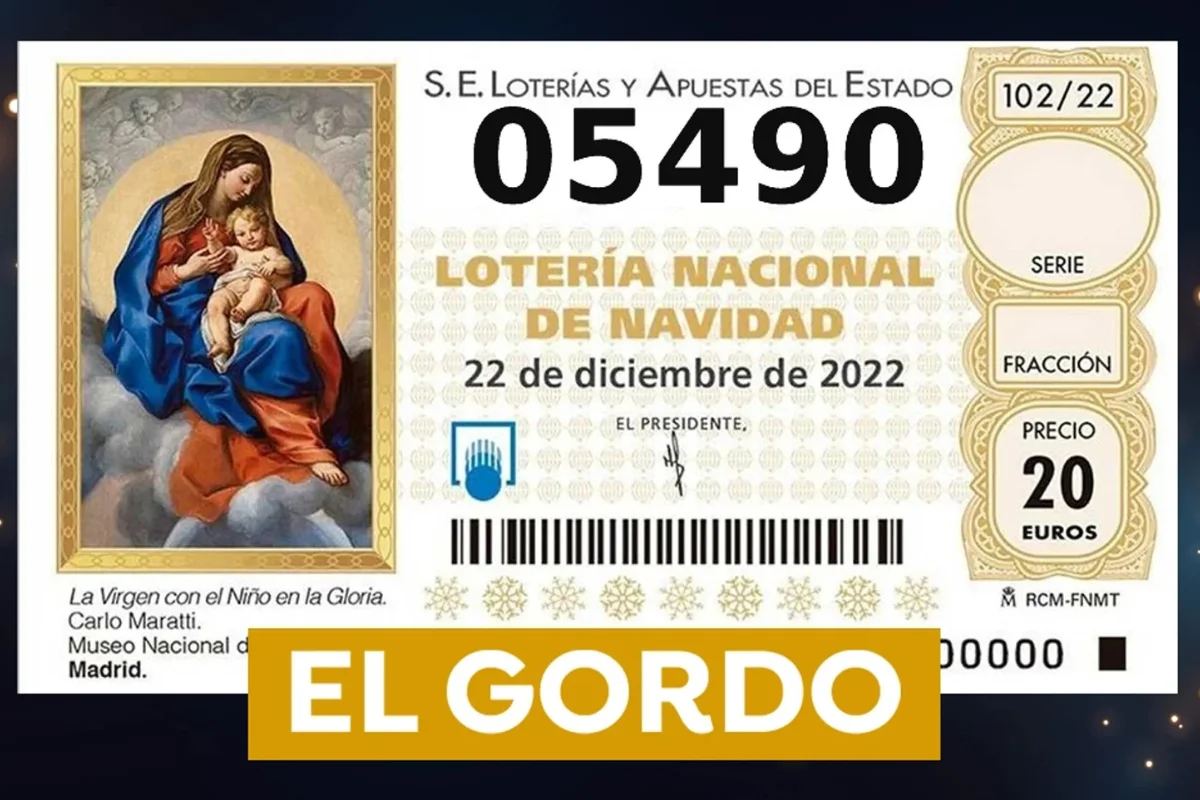
Every December 22, the Spanish Christmas lottery marks the official start of the festive season. Known as "El Gordo" (The Fat One), it is the world's largest and oldest lottery draw, dating back to 1812.
Families, friends, and even strangers buy tickets together.
At Jethro's work, they pool their money to buy blocks of tickets. The tradition of sharing tickets means entire villages, office buildings, or friend groups can win together.
On the morning of December 22, the entire nation watches, hoping to hear their numbers called.
But here's what makes it special: the numbers are not simply announced but sung by carefully chosen schoolchildren from Madrid's San Ildefonso school. I can't think of christmas without hearing their singing now.
El Gordo Prize
The top prize, El Gordo, typically awards €4 million per winning number. But because tickets are shared, the joy spreads across communities. When a small town wins, you'll see celebrations on the news with champagne flowing in the streets.
Nochebuena: Christmas Eve Dinner
Christmas Eve, or Nochebuena (literally "the good night"), is when the main celebration happens.
This is the equivalent of Christmas Day dinner in other countries. Spanish families gather for an elaborate feast that can last hours.
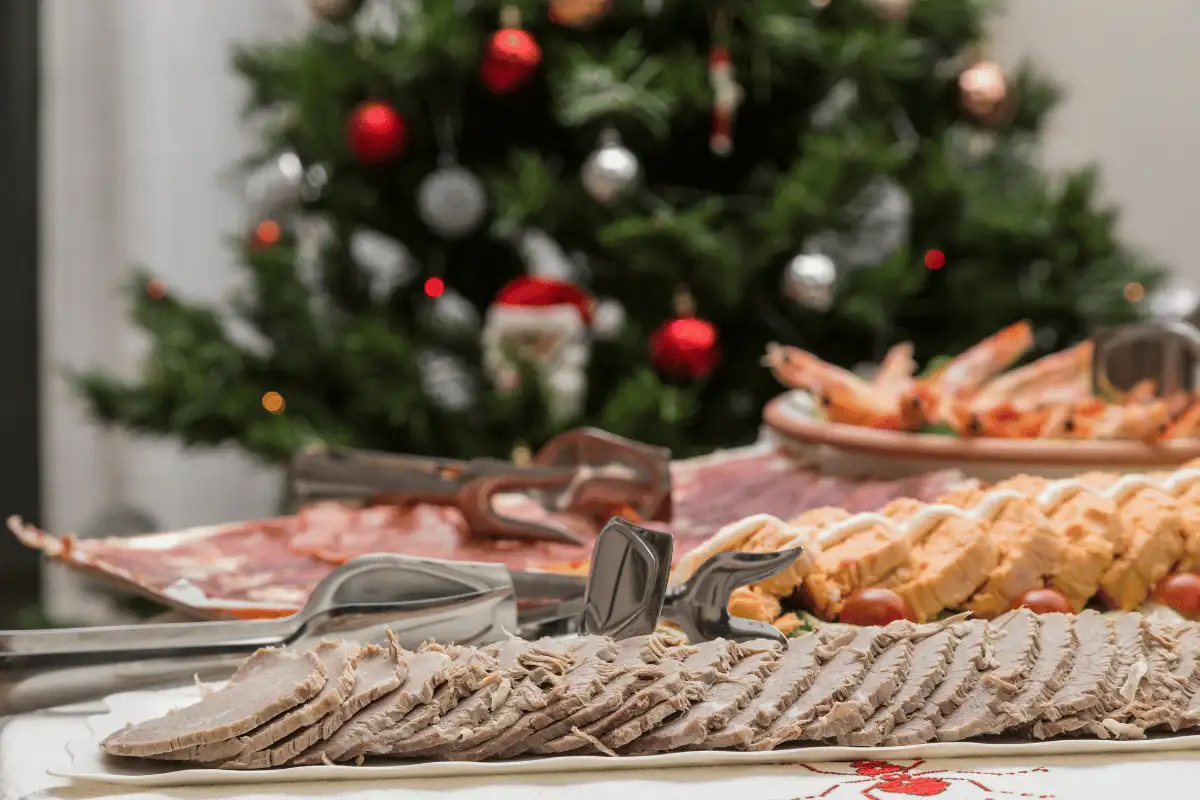
A typical Spanish Christmas Eve feast includes:
| Course | Popular Dishes |
|---|---|
| Starters | Jamón ibérico, Manchego cheese, seafood cocktails |
| Seafood | Prawns, lobster, clams, baked fish |
| Meat | Roast lamb, suckling pig, stuffed capon |
| Desserts | Turrón, polvorones, mazapán |
| Drinks | Cava (Spanish sparkling wine) |
You can definitely tell the next day by the fishy whiff coming from the rubbish zones. Seafood is king on Nochebuena.
Misa del Gallo (Midnight Mass)
After dinner, many families attend Midnight Mass, known as La Misa del Gallo (the Mass of the Rooster).
Legend says a rooster crowed the night Jesus was born, hence the name. Even if you're not religious, attending midnight mass in a Spanish cathedral is a beautiful cultural experience.
Traditional Christmas Sweets
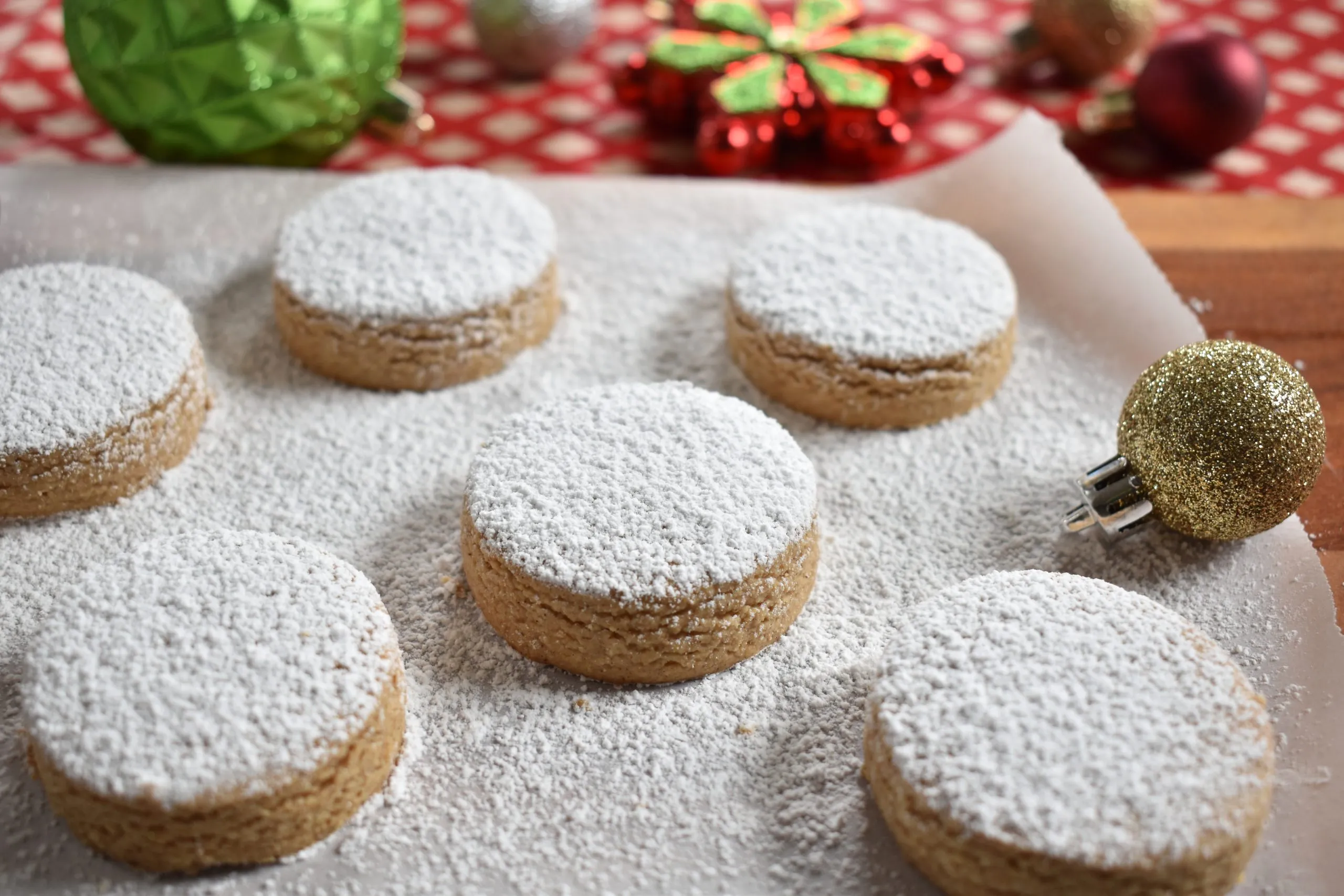
No Spanish Christmas is complete without the holy trinity of Christmas sweets: turrón, polvorones, and mazapán.
-
Turrón is a nougat made from toasted almonds and honey. It comes in two main varieties: turrón duro (hard, crunchy) and turrón blando (soft, chewy). Both are delicious, and you'll find them stacked in every supermarket from November onwards.
-
Polvorones are crumbly shortbread cookies dusted with powdered sugar. The name comes from "polvo" (dust), referring to how they dissolve in your mouth. These are perfect with coffee or hot chocolate.
-
Mazapán (marzipan) is almond and sugar paste shaped into intricate figures: little fruits, animals, or religious scenes. Toledo is famous for its mazapán, and boxes make popular Christmas gifts.
Cava: Spain's Sparkling Wine
Cava is Spain's answer to champagne, a sparkling wine that's lighter on the pocket but just as celebratory (at least to me).
Produced mainly in Catalonia, particularly in the town of Sant Sadurní d'Anoia in the Penedès wine region, Cava has become essential to Spanish festivities.
Every New Year's Eve, millions of bottles of Cava are opened simultaneously across Spanish homes and parties as the clock strikes midnight.
New Year's Eve: The Twelve Grapes
Not quite Christmas but very much part of the holiday season, New Year's Eve in Spain features a unique tradition: Las Doce Uvas de la Suerte (the Twelve Grapes of Luck).
As midnight chimes, Spaniards eat twelve grapes, one for each stroke of the clock, to attract prosperity for the coming year.
Each grape represents one month, so if you struggle with the fourth grape, April might be a challenging month.
It sounds easy but try eating twelve grapes in twelve seconds.
Most people end up with cheeks stuffed like hamsters, laughing and choking their way into the new year. Seedless grapes are essential (trust us on this).
Local tip
Supermarkets sell special "12 grapes" packs with peeled, seedless grapes ready to go. If you're at a public celebration, have your grapes prepared in advance. There's no time to peel when the bells start ringing.
Día de los Santos Inocentes (December 28)
December 28 is Spain's version of April Fools' Day.
People play jokes on friends, family, and colleagues. These pranks are called "inocentadas," and even newspapers and TV programmes publish fake news stories for fun.
If someone tricks you, they'll shout "¡Inocente!" (Innocent!).
The holiday commemorates King Herod's massacre of the innocents, but Spaniards have transformed it into a day of lighthearted mischief.
The Three Kings: Spain's Gift-Giving Tradition
Here's something that surprises many visitors: traditionally, Spanish children don't receive gifts from Santa Claus on December 25.
Instead, they wait until January 6, the Feast of the Epiphany, when the Three Kings (Los Reyes Magos) bring presents.
Cabalgata de Reyes (Three Kings Parade)
On the evening of January 5, towns and cities across Spain host the Cabalgata de Reyes, spectacular parades where the Three Kings (Melchor, Gaspar, and Baltasar) ride elaborate floats through the streets, throwing sweets to the crowds.
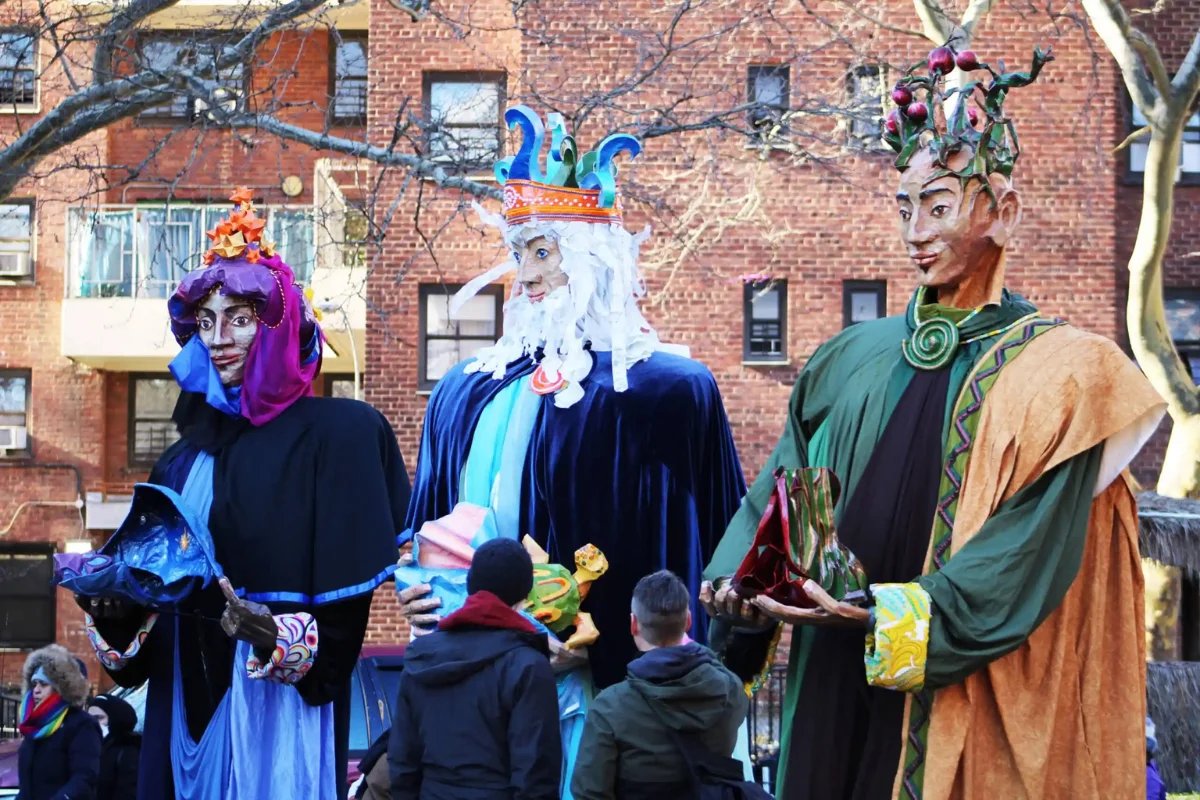
Children eagerly await the kings' arrival.
The next morning, January 6, they wake to find presents left by the Reyes Magos. This is traditionally the bigger gift-giving day in Spain, though Santa Claus (Papa Noel) has become more popular in recent years, meaning some lucky Spanish children now get presents twice.
Roscón de Reyes
Families gather on January 6 to enjoy Roscón de Reyes, a ring-shaped sweet bread decorated with candied fruit and filled with cream, chocolate, or nata (whipped cream).
Hidden inside are two surprises: a small figurine and a dried bean.
The Roscón has become a permanent fixture of our Christmas, although we cheat a little: instead of waiting until the sixth, we dig in on Christmas Day.
Find the figurine and you're crowned king or queen for the day. Find the bean and you have to buy next year's cake.
This delightful treat marks the end of the Christmas season in Spain.
The Belén: Spanish Nativity Scenes
The Belén (nativity scene) is a cornerstone of Spanish Christmas decorations.
While Christmas trees are now common, it's the Belén that has long been the heart of Spanish Christmas decor.
Nativity scenes are displayed in practically every town and village across Spain.
These scenes, often set up in the Plaza Mayor or in front of a church, depict the birth of baby Jesus with figurines of Mary, Joseph, the shepherds, and the three kings.
Some Belénes are simple displays, while others are elaborate dioramas with running water, mechanical figures, and entire village scenes. The best ones are worth seeking out.
Villancicos: Spanish Christmas Carols
Villancicos, or Spanish Christmas carols, are a Christmas tradition we haven't experienced much yet, probably because we're in the middle of a big city.
These traditional songs, often sung by children accompanied by zambombas (friction drums) and panderetas (tambourines), are exactly what you'd expect: joyful, religious-themed songs celebrating baby Jesus's birth.
Originating in the Middle Ages, Villancicos remain deeply rooted in Spanish culture, especially in smaller towns and villages.
Regional Christmas Traditions
One of our favourite aspects of blogging is learning about and then participating in unique traditions across Spain.
It's so important to make an effort to integrate when you become an expat, and joining in on the traditions is a great way to do it.
Catalonia: Caga Tió and the Caganer
In Catalonia, the Christmas tradition of Caga Tió is a must-see. It's a small wooden log, painted with a smiley face and wearing a red hat.
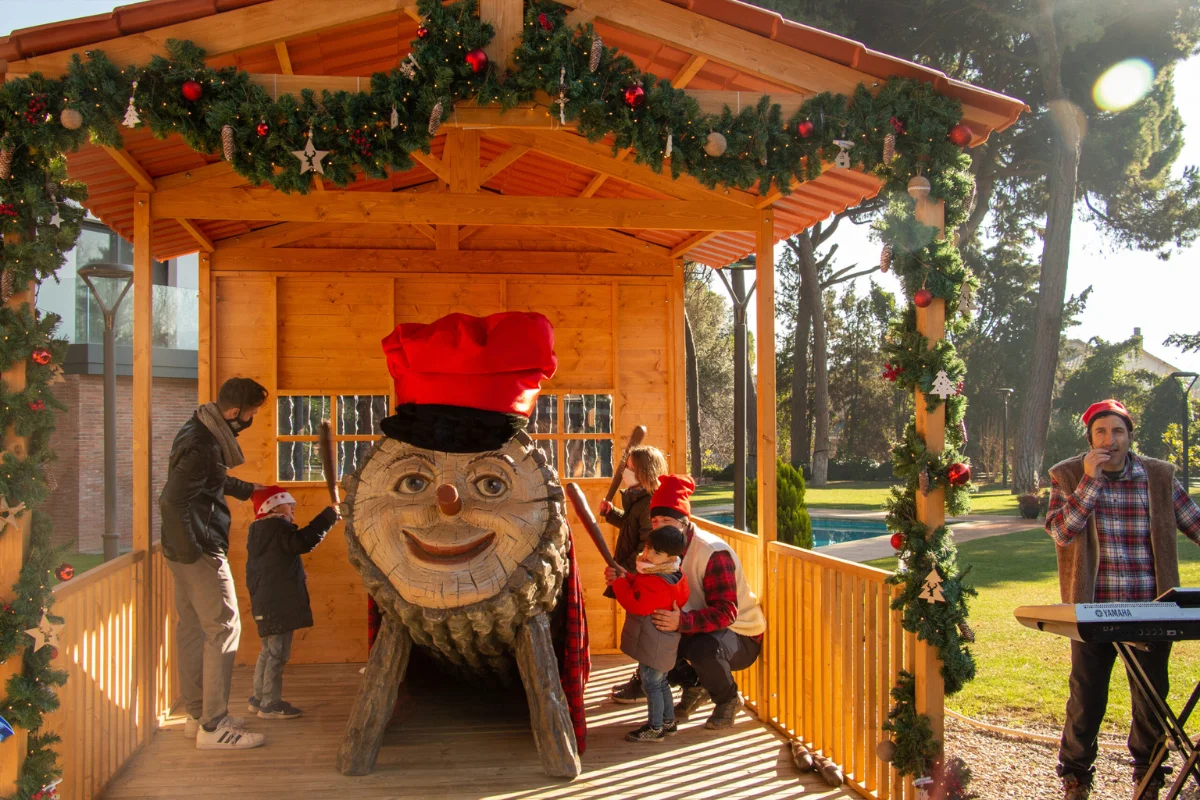
Children "feed" the log treats from December 8 onwards, covering it with a blanket to keep it warm.
Then, on Christmas Eve, they sing songs and tap the log with sticks, commanding it to "poop" out presents.
Yes, really. The log obliges, producing sweets, nuts, and small gifts.
And then there's the Caganer, a small figure often hidden in nativity scenes.
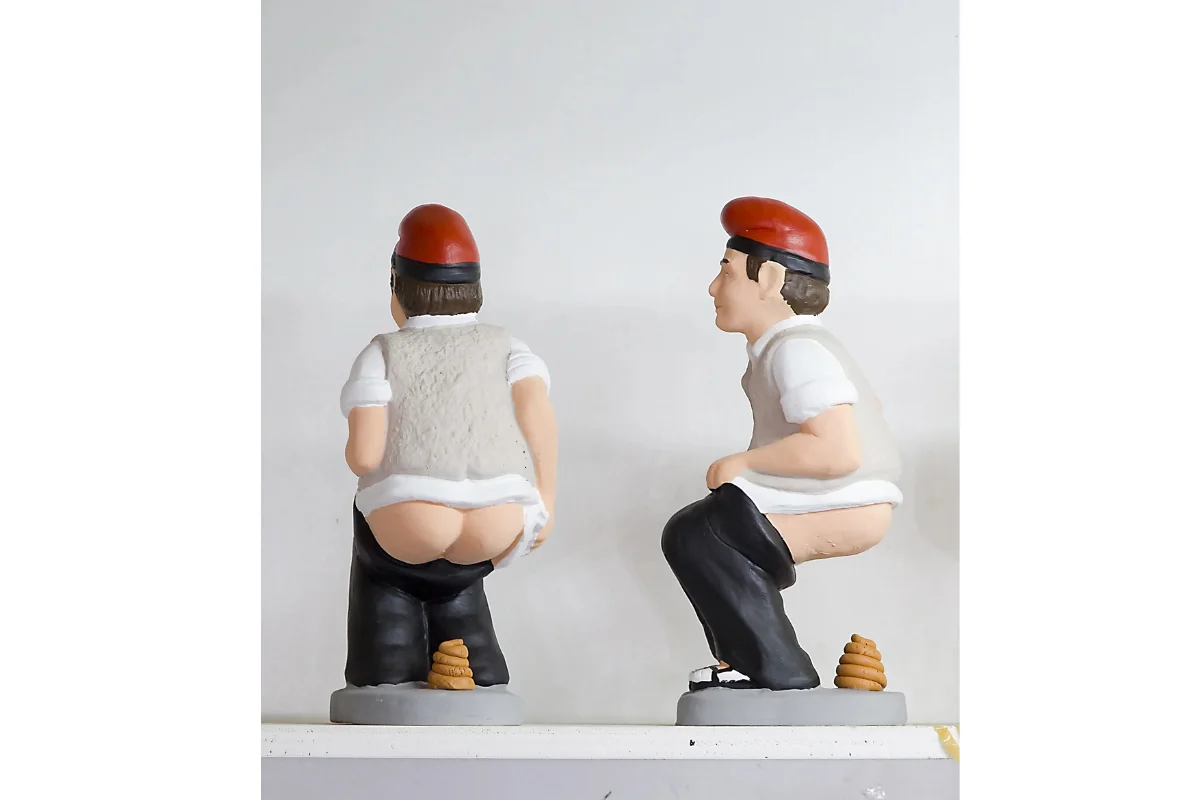
The Caganer is a character doing precisely what the name suggests. Well, let's say he's "taking care of business."
It's a playful figure that symbolises fertility and good fortune for the coming year. We have one of these quirky figurines, and when we have guests over for Christmas, it always becomes a talking point.
The Basque Country: Olentzero
In the Basque Country, Christmas is marked by the arrival of Olentzero, a Santa-like figure who is a charcoal burner.
Dressed in traditional Basque peasant clothing, he parades through towns bringing gifts to children and is celebrated with songs and merriment.
Some Basque families also maintain the tradition of a Christmas Eve swim in icy-cold waters.
If you're feeling brave, you can join in. It's a bold way to kick off the holiday celebrations.
Andalusia: Zambombas
In Andalusia, especially around Jerez, communities gather in patios and small squares for zambombas.
These are informal gatherings where people sing flamenco-style villancicos accompanied by guitars, tambourines, handclaps, and the rhythmic sound of the zambomba (a traditional friction drum).
Spanish Christmas Markets
Spanish Christmas markets are my personal favourite part of Christmas.
You can find handmade crafts, ornaments for your tree, and other trinkets.
But what I love most is sipping on hot drinks and eating warm, sweet Christmas treats.
Major cities like Madrid (Plaza Mayor), Barcelona (Fira de Santa Llúcia), and Seville (Plaza Nueva) host traditional markets throughout December.
They're perfect for picking up Belén figurines, unique decorations, and seasonal food.
That's a Wrap
Spanish Christmas traditions are now among my favourites.
Some, like Caga Tió, are hilarious and fun. Others, like cracking open the Roscón de Reyes together, have become one of our own traditions that we look forward to every year.
We still haven't won El Gordo yet, but if we do, there will be signs.
See you next Christmas!
Frequently Asked Questions

Hola! I'm the researcher, walker, and co-founder behind Spain on Foot. I help travellers experience Spain authentically, through in-depth guides, locals-only knowledge, and cultural stories you won't find in guidebooks. You can reach me at heidi@spainonfoot.com