day-trips
Day Trips from Jaén: Renaissance Towns, Olive Country & Wild Mountains
This post may contain affiliate links, which means I earn a small commission, at no extra cost to you. It helps keep the blog alive, and we really appreciate your support!

Jaén sits at the centre of the world's largest olive-growing region, surrounded by Renaissance towns, mountain wilderness, and landscapes most visitors never see.
The most popular day trip from Jaén is Úbeda, about 50 minutes away with a monumental Renaissance centre that rivals anything in Italy.
My personal favourite is combining Úbeda and Baeza in one day. They're just 9km apart, both UNESCO-listed, and both almost entirely free of crowds.
Granada is only an hour away, putting the Alhambra within easy reach. Córdoba and its Mezquita are about the same distance. And the Sierra de Cazorla offers genuine wilderness on a scale that surprises everyone who visits.
Compare hotel prices in Jaén
Find the best deal across booking sites
Day Trips from Jaén
Quick reference guide
| Destination | Distance | Must-See |
|---|---|---|
| Úbeda | 57km / 50 min | Plaza Vázquez de Molina |
| Baeza | 48km / 45 min | Cathedral & university |
| Sierra de Cazorla | 90km / 1.25h | Guadalquivir headwaters |
| Olive mill tour | Various | Fresh-pressed oil tasting |
| Granada | 93km / 1h | The Alhambra |
| Córdoba | 107km / 1.25h | The Mezquita |
| Alcalá la Real | 70km / 50 min | Fortaleza de la Mota |
| Martos | 24km / 25 min | Olive oil capital & castle |
A car is essential for most trips. Public transport exists to Granada and Córdoba but is very limited within Jaén province.
Úbeda
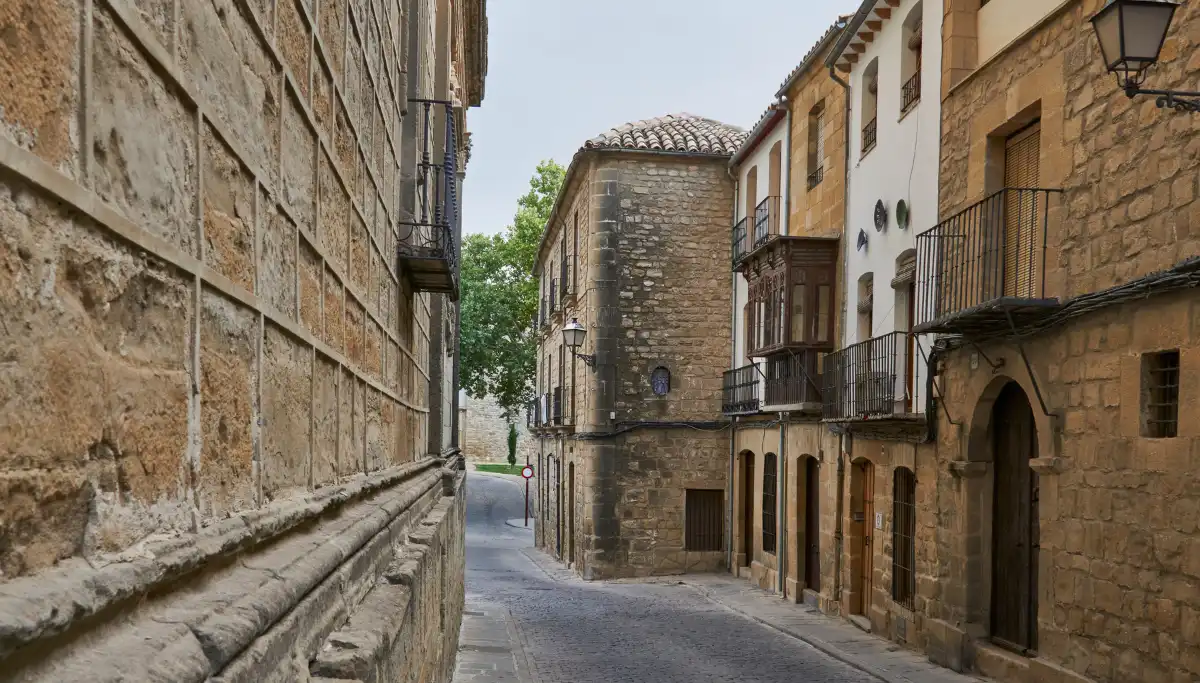
Úbeda is the larger of Jaén's two UNESCO-listed Renaissance towns, with a monumental historic centre that rivals anything in Italy. The Plaza Vázquez de Molina is one of Spain's finest squares, surrounded by 16th-century palaces and churches.
The Sacra Capilla del Salvador is Vandelvira's masterpiece, a Renaissance funeral chapel with stunning interiors. The Sinagoga del Agua, a medieval synagogue discovered in 2007, is now open for tours. Pottery workshops along Calle Valencia produce distinctive green-glazed ceramics, and watching the artisans work is fascinating.
The Parador de Úbeda occupies a 16th-century palace on the main square. Even if you're not staying, stop in for a coffee in the courtyard. It's one of Spain's most beautiful paradores.
Combine Úbeda with Baeza (just 9km apart) for a full day. Start with whichever town opens first for the sights you want to see.
Baeza
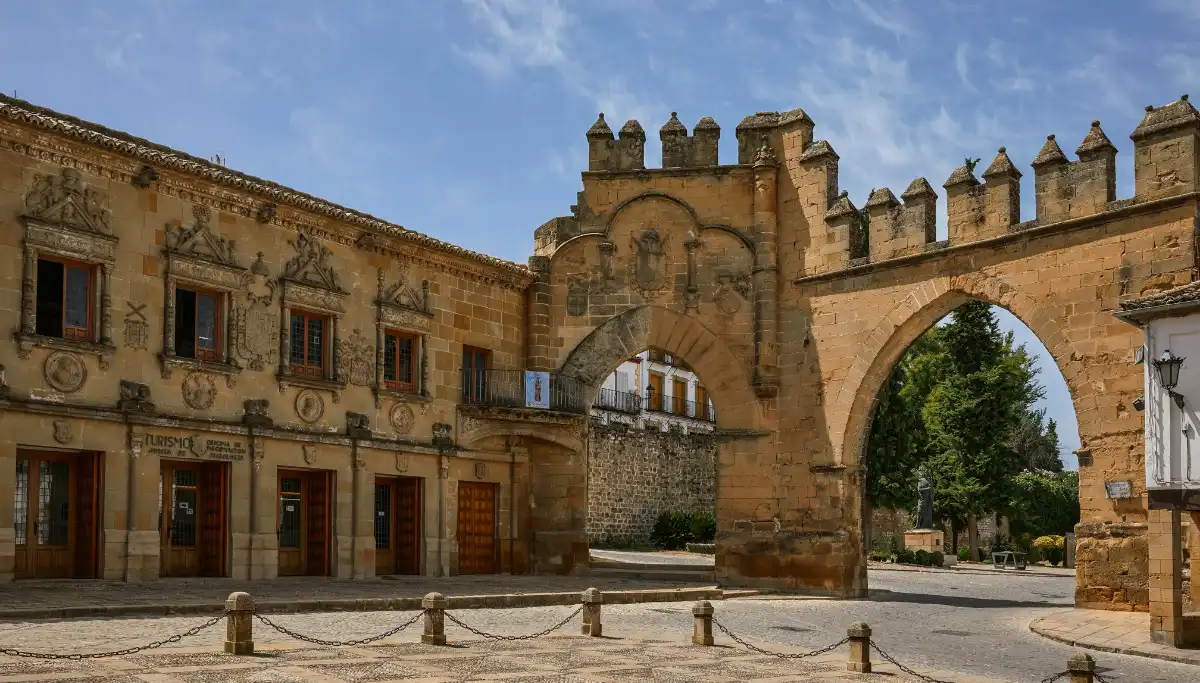
Baeza is Úbeda's sister town, just 9km away and equally UNESCO-listed. Smaller and quieter, it has a different character, more intimate, more lived-in, with an ancient university where the poet Antonio Machado taught from 1912 to 1919.
The cathedral was built over a mosque, with a stunning Gothic-Renaissance nave and views from the bell tower. The Plaza del Pópulo is the old market square, surrounded by Renaissance buildings. Machado's classroom is preserved as a small museum.
The views from Baeza's ramparts across the olive groves to the Sierra de Cazorla are exceptional. Time your visit for late afternoon light when the hills glow golden.
Sierra de Cazorla
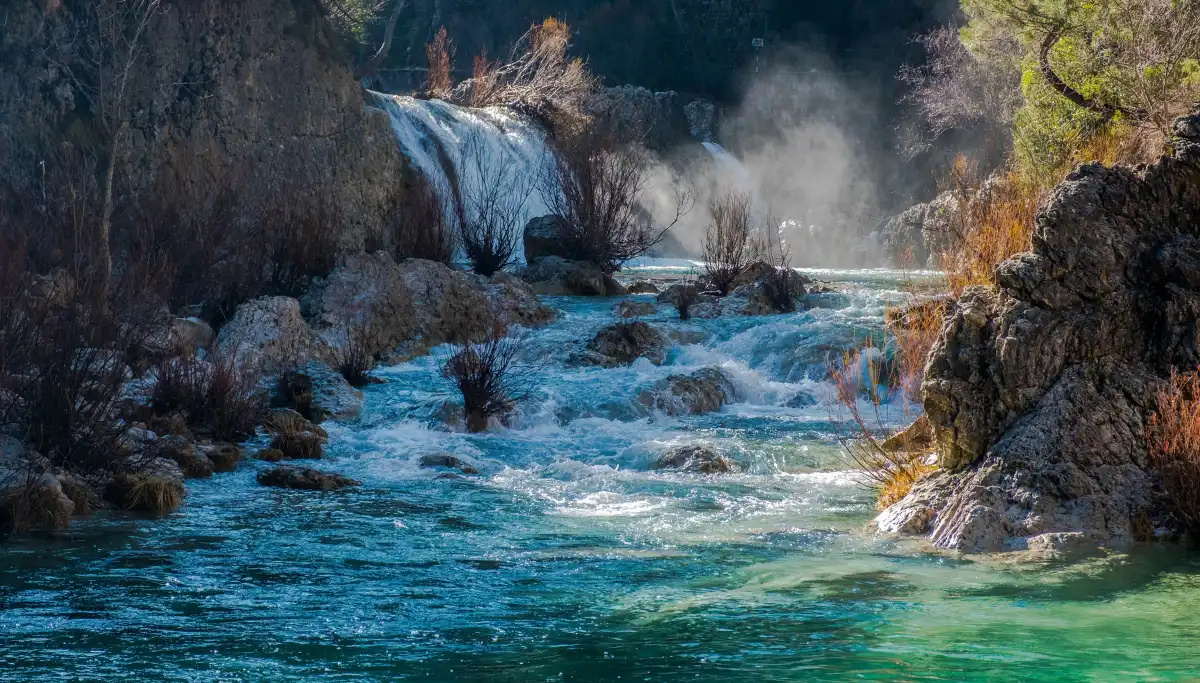
The Sierra de Cazorla is Spain's largest protected natural area, a vast wilderness of mountains, pine forests, and deep river valleys. The Guadalquivir, Spain's great southern river, rises here. It's about 1.25 hours from Jaén.
Cazorla town makes a good base for the day, with its whitewashed streets climbing to castle ruins and excellent lunch spots. The Cerrada de Elías is a dramatic gorge walk on wooden boardwalks. The Guadalquivir source is a pleasant walk through pine forests to the spot where Spain's great river begins.
The park is home to red deer, wild boar, griffon vultures, and reintroduced bearded vultures. Early morning or late afternoon offers the best sighting opportunities.
Fill your tank before entering, bring food and water, and don't rely on mobile signal. Spring brings wildflowers, autumn is deer rutting season, and the park is popular with Spanish families in August.
Olive Mill Tours
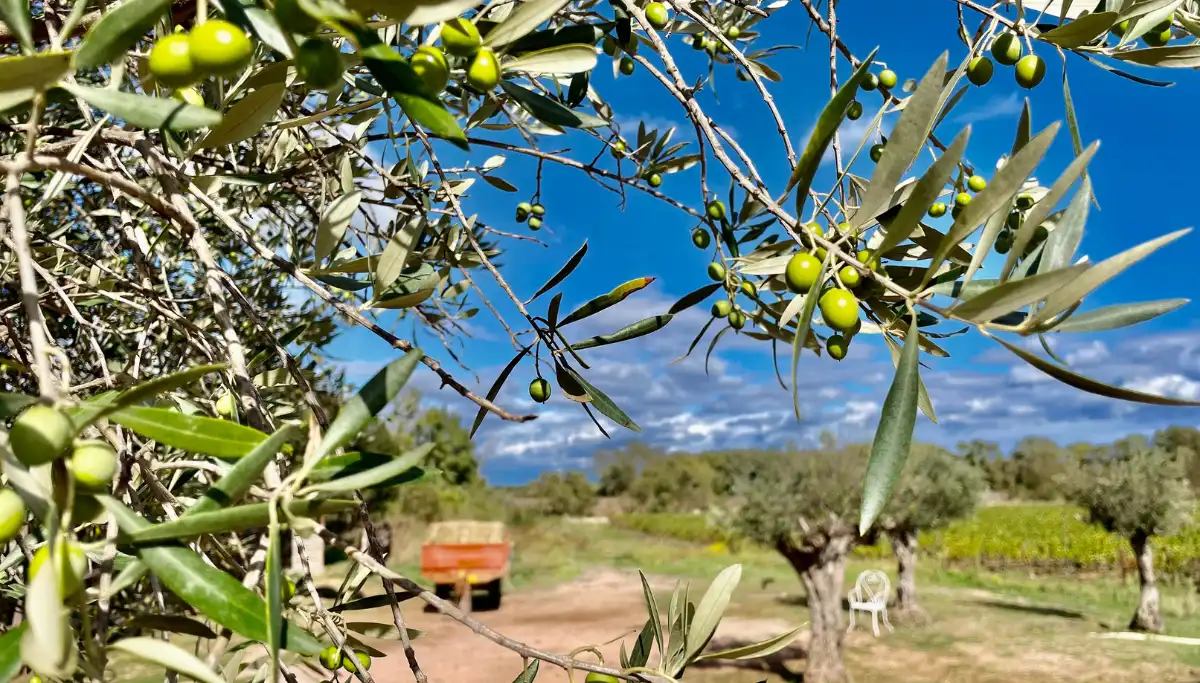
Jaén province produces more olive oil than any other region on Earth. Visiting a working mill to see production and taste fresh-pressed oil is one of the area's essential experiences.
A typical tour includes the mill, the production process, a tasting of different varieties, and the chance to buy directly at producer prices. Oleícola San Francisco in Begíjar is a family-run mill with excellent tours. Castillo de Canena is a premium producer with beautiful grounds.
Visit during harvest season (November to January) to see mills in full production. Fresh-pressed oil tastes completely different from supermarket bottles, peppery, grassy, and intensely flavourful. Try to taste oil pressed within the week if you can.
Granada
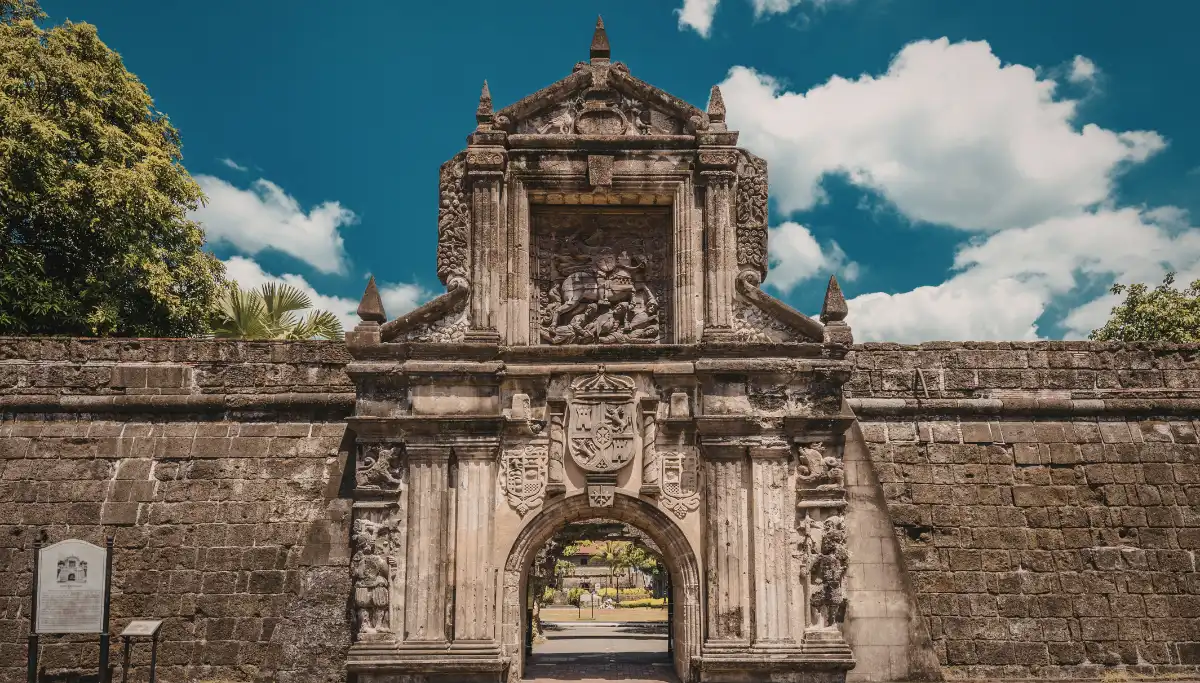
Granada is just an hour from Jaén, putting the Alhambra within easy day trip range. This Moorish palace complex is one of Europe's most remarkable monuments.
Book tickets weeks in advance. The Nasrid Palaces have timed entry, and slots sell out fast, even in winter. Plan your entire day around your ticket time. Allow 3-4 hours for the full visit.
After the Alhambra, wander the Albaicín neighbourhood for lunch with views back to the palace. Granada also has free tapas with drinks, which is always welcome after a morning of sightseeing.
Córdoba
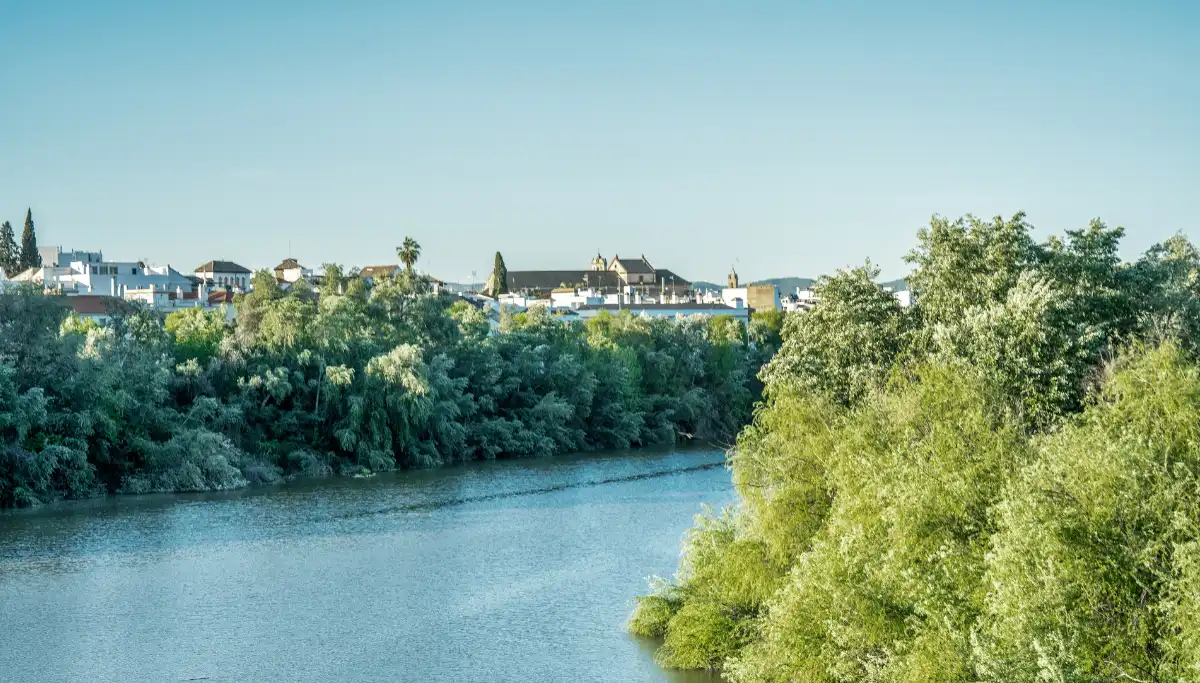
Córdoba is about 1.25 hours from Jaén, with one of Spain's most extraordinary buildings, the Mezquita. A forest of red and white arches surrounds a Renaissance cathedral built inside a medieval mosque.
Arrive early for the Mezquita when light streams through the arches and the crowds are smaller. Then wander the narrow streets of the Judería (Jewish Quarter) and the Alcázar de los Reyes Cristianos with its gardens.
If visiting in May, try to coincide with the Festival de los Patios, when residents open their flower-filled courtyards to visitors. It's a UNESCO-listed tradition and genuinely beautiful.
Alcalá la Real
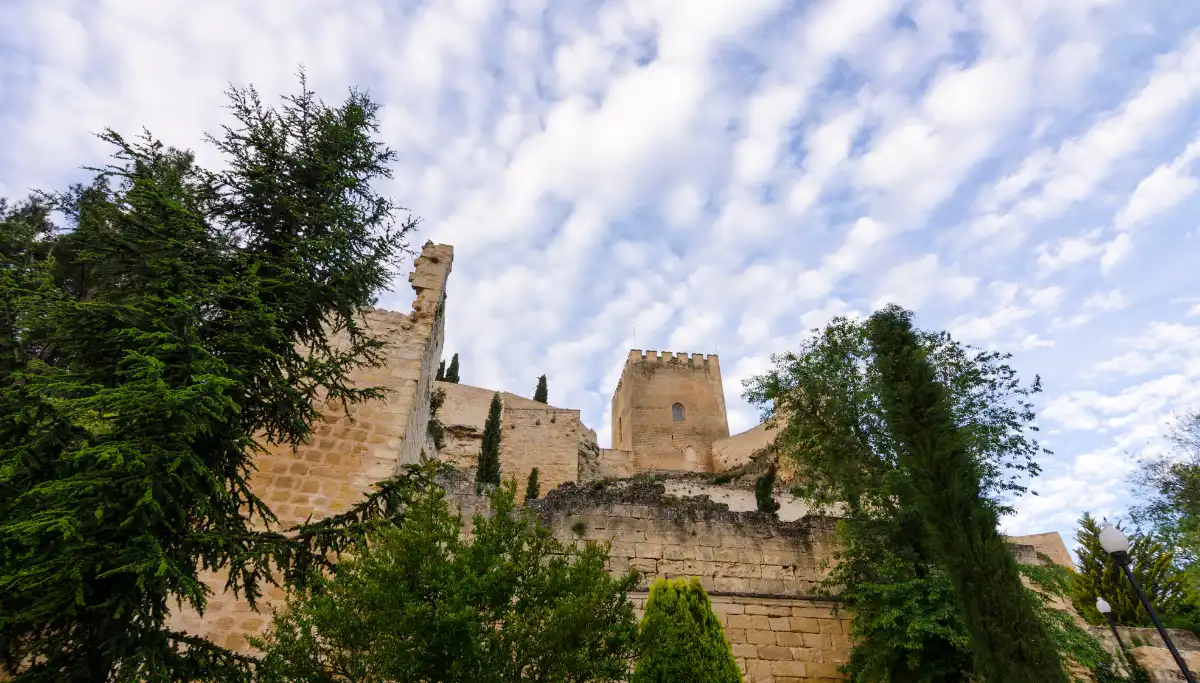
Alcalá la Real sits on the old frontier between Christian and Moorish Spain, crowned by the spectacular Fortaleza de la Mota. This was the launching point for the conquest of Granada, and the fortress commands views across to the Sierra Nevada.
The Fortaleza de la Mota is a complete medieval fortress-town, with walls, towers, an abbey, and views that explain why this location mattered. The roofless abbey church inside the walls is hauntingly beautiful.
Allow time to explore the entire complex. The town below has pleasant streets and squares for lunch.
Martos
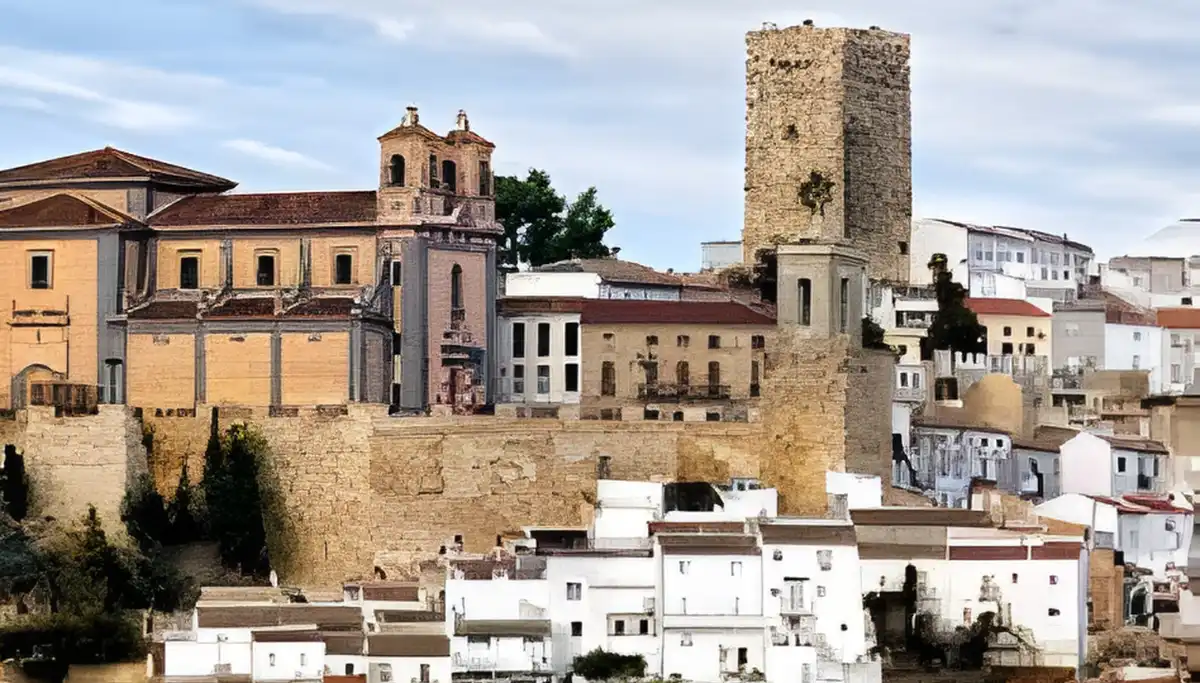
Martos claims to be the olive oil capital of the world, and the statistics back it up. More olive oil is produced here than anywhere else. It's just 25 minutes from Jaén.
The La Peña fortress sits on a dramatic rock above town, with excellent views across the olive groves. The old town has pleasant streets and plazas, and several olive oil cooperatives offer tours and tastings.
Martos offers something the tourist towns don't, a real Spanish working town where olive oil isn't heritage but daily business. Combine it with a visit to a nearby mill for a half-day focused on liquid gold.
The Olive Sea Drive
For something different, spend a day driving through the olive groves. Start at Jaén and head to Martos (24km) for fortress views. Continue to Alcaudete (20km) for its castle and old town. Then on to Alcalá la Real (25km) for the frontier fortress. Return via the A-44.
This creates a loop through the heart of olive country with stops for photos, coffees, and contemplation of just how many olive trees exist in one province.
Getting Around
A car is essential for exploring Jaén province properly. Roads are generally good, though mountain routes can be winding. Fill up in Jaén, as services are limited in villages.
Buses serve Granada (1.5 hours) and Córdoba, but the Renaissance towns, Sierra de Cazorla, and olive mills are far easier with your own transport.
Final Recommendation
Úbeda and Baeza together make an unbeatable combination of Renaissance architecture, excellent food, and real Spanish atmosphere. For nature, the Sierra de Cazorla delivers wilderness on a scale that surprises everyone who visits.
And don't skip the olive oil. Tasting fresh-pressed oil at a working mill will change how you think about this most fundamental of Mediterranean ingredients.
For more on planning your time, check out my guides to things to do in Jaén and where to eat.

Hola! I'm the researcher, walker, and co-founder behind Spain on Foot. I help travellers experience Spain authentically, through in-depth guides, locals-only knowledge, and cultural stories you won't find in guidebooks. You can reach me at heidi@spainonfoot.com
Planning a trip to Jaén?
Explore Jaén Guide→