food-drink
Malaga Wine Guide: Sweet Wines, Wineries, and Where to Taste (2026)

Malaga has been making wine since 600 BC. Here's how to drink like a local.
Malaga Wine: Quick Facts
Malaga wine has been famous for centuries. Shakespeare called it "Malaga sack" in his plays, and European royalty couldn't get enough of it. This sweet fortified wine, made from sun-dried grapes, has a history stretching back to the Phoenicians in 600 BC.
I'll be honest: I'm not a wine expert.
I usually grab the second-cheapest bottle at the supermarket. But living in Malaga, I've learned enough about local wine to help friends know what to order and what to take home. Here's everything you need to know.
Compare hotel prices in Málaga
Find the best deal across booking sites
What Makes Malaga Wine Special?
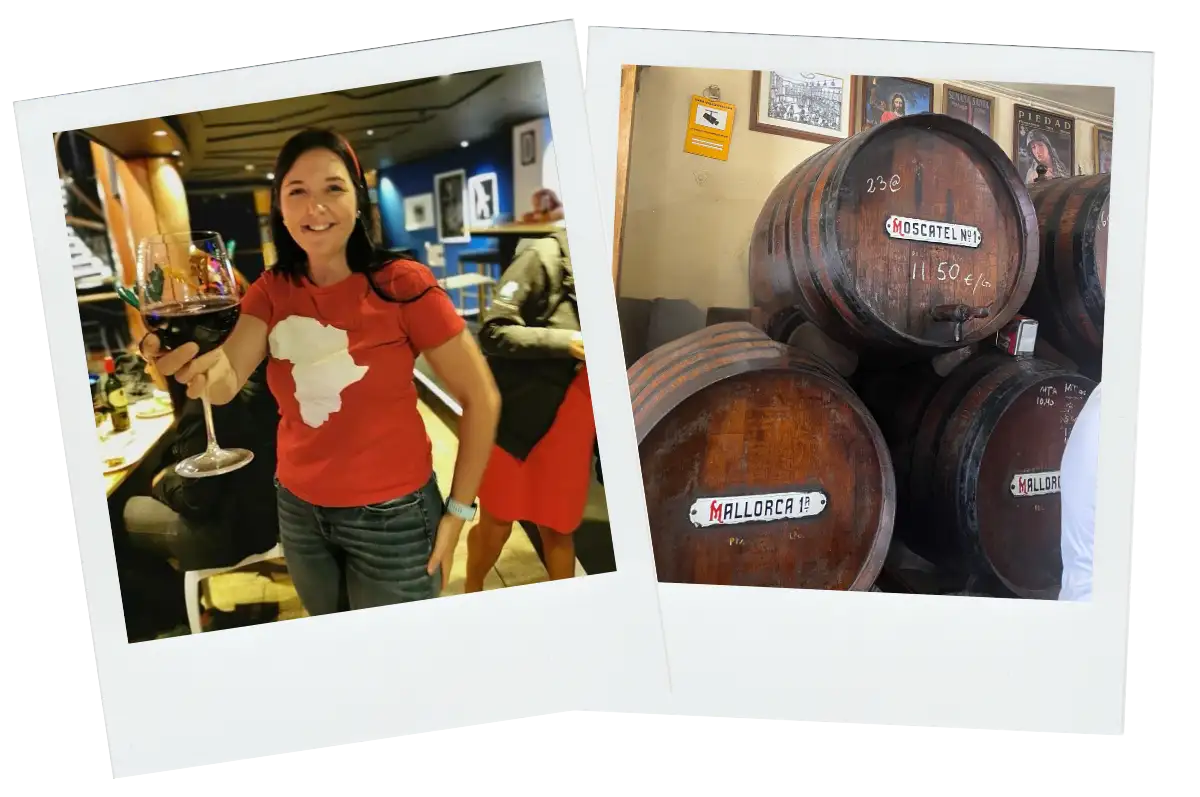
Malaga wine is a sweet fortified wine made primarily from two grape varieties: Pedro Ximenez (PX) and Moscatel. What makes it distinctive is the production method.
The traditional process:
- Grapes are picked late when sugar content is high
- They're sun-dried on grass mats (called "asoleo") to concentrate sugars further
- Fermentation is stopped early by adding grape spirit
- The wine ages in oak barrels, developing rich, complex flavours
This method was originally developed to preserve wine for long sea voyages. Now it's what gives Malaga wine its signature sweetness and depth.
The Two Designations of Origin
Malaga has two protected wine designations:
| Designation | Established | Wine Types | Key Rules |
|---|---|---|---|
| D.O. Malaga | 1933 | Sweet fortified wines | Min 85% PX or Moscatel, 2+ years barrel aging |
| D.O. Sierras de Malaga | 2001 | Dry reds, whites, roses | Min 85% local varieties, 3+ months aging |
D.O. Malaga was Spain's first designation of origin, established in 1933. The newer D.O. Sierras de Malaga was created in 2001 for dry wines, responding to growing demand for non-sweet varieties.
Types of Malaga Wine
Sweet Wines (D.O. Malaga)
| Wine | Grape | Flavour Profile | Best Paired With |
|---|---|---|---|
| Pedro Ximenez (PX) | Pedro Ximenez | Dark, syrupy, raisins, figs, dates | Chocolate, blue cheese, vanilla ice cream |
| Moscatel | Moscatel de Alejandria | Light, floral, apricot, peach, honey | Fruit tarts, creme brulee, almonds |
| Pajarete | PX and Moscatel blend | Higher alcohol, complex sweetness | Strong cheeses, rich desserts |
| Vino de Naranja | Moscatel with orange | Orange-scented, sweet | Light desserts, on its own as aperitif |
Dry Wines (D.O. Sierras de Malaga)
The Sierras de Malaga designation includes:
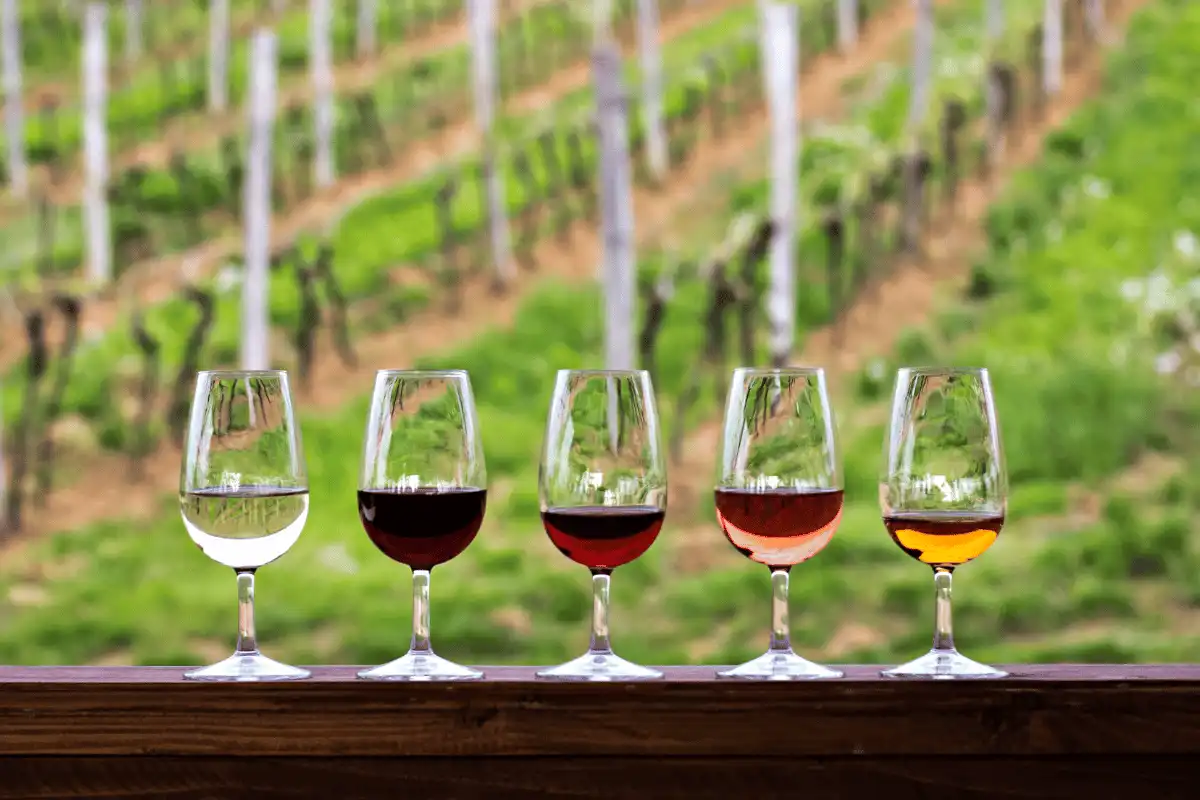
White wines: Moscatel, Chardonnay, Sauvignon Blanc, Pedro Ximenez (dry style) Red wines: Tempranillo, Cabernet Sauvignon, Merlot, Syrah, Petit Verdot Rose wines: Various blends
These dry wines come primarily from the Serrania de Ronda sub-region, where the higher altitude creates a cooler microclimate suited to red wine production.
Classifications by Aging
| Classification | Aging Period | Character |
|---|---|---|
| Palido | Up to 6 months | Fresh, pale |
| Noble | 2-3 years | Developed, amber |
| Anejo | 3-5 years | Rich, complex |
| Trasanejo | 5+ years | Deep, intense, exceptional |
Sugar Content Levels
| Category | Sugar Content | Notes |
|---|---|---|
| Sweet (Dulce) | Over 45 g/l | Traditional Malaga style |
| Semi-sweet (Semi-dulce) | 12-45 g/l | Balanced sweetness |
| Semi-dry (Semi-seco) | 4-12 g/l | Hint of sweetness |
| Dry (Seco) | Under 4 g/l | No perceptible sweetness |
Where to Taste Malaga Wine
In the City Centre
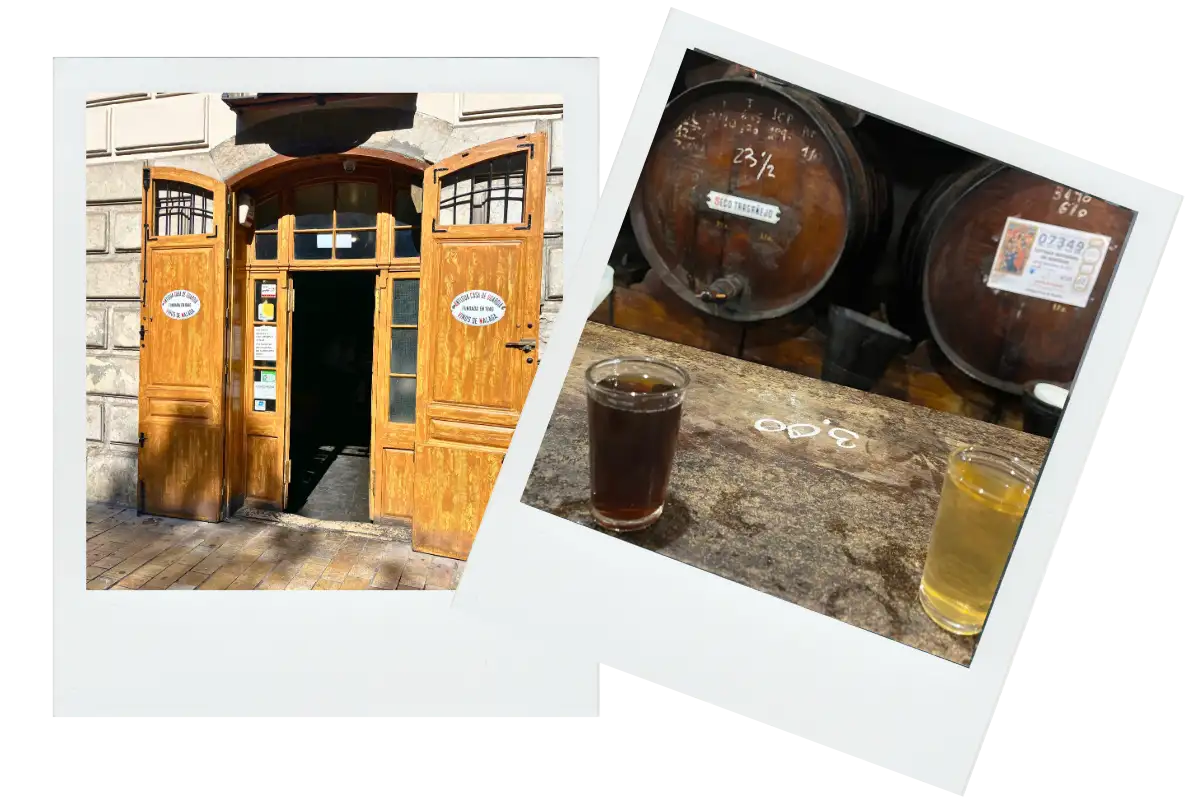
Antigua Casa de Guardia (C. Alameda Principal, 18)
The best place to experience Malaga wine.
This is the oldest wine bar in Malaga, operating since 1840. Over twenty barrels line the walls, each containing a different wine.
| Detail | Information |
|---|---|
| Founded | 1840 |
| Atmosphere | Standing room mostly, authentic, no-frills |
| Glass price | From €2.50 |
| Tapas | Small selection available |
| Best for | Sampling multiple wines, experiencing tradition |
The barman chalks your tab on the counter as you go.
Point at the barrel you want to try, and they'll pour directly. It's a Malaga institution.
Local tip
Ask for a "vuelta" (tasting flight) if you want to try several wines. Start with the lighter Moscatel and work up to the richer Pedro Ximenez.
Other wine bars in the centre:
| Bar | Location | Known For |
|---|---|---|
| El Pimpi | Calle Granada | Tourist-friendly, celebrity photos, rooftop terrace |
| Bodegas El Pimpi | Near Alcazaba | Atmospheric, barrels, traditional tapas |
| Los Patios de Beatas | Calle Beatas | Courtyard setting, wine selection |
Wine Tasting Tours
If you want a guided introduction:
- City wine tours: Several operators offer walking tours that combine wine tasting with tapas in the historic centre
- Winery day trips: Half-day or full-day trips to Ronda or Axarquia wine regions
- Private tastings: Some bodegas offer bookable experiences
Wineries to Visit
The province has 47 registered wineries. Here are some worth visiting:
Near Malaga City
| Winery | Location | Known For |
|---|---|---|
| Bodega Quitapenas | Malaga | Traditional Malaga wines, city location |
| Bodegas Lopez Hermanos | Malaga | Cartojal, Malaga Virgen (best-selling brand) |
Axarquia Region (East of Malaga)
| Winery | Location | Known For |
|---|---|---|
| Bodegas Bentomiz | Sayalonga | Ariyanas wines, Moscatel, organic |
| Bodegas Almijara | Competa | Jarel Moscatel (dulce and seco) |
Serrania de Ronda
| Winery | Location | Known For |
|---|---|---|
| Bodega F. Schatz | Ronda | Biodynamic wines, German-Spanish fusion |
| Bodegas Descalzos Viejos | Ronda | Former monastery, organic, boutique |
| Bodega Chinchilla | Ronda | Award-winning reds |
Booking Winery Visits
Most wineries require advance booking. Many are in rural areas without public transport, so you'll need a car or organised tour. The Ronda wineries can be combined with a day trip to the town itself.
Wine Sub-Regions
Malaga province has five distinct wine-growing areas:
| Sub-Region | Location | Speciality |
|---|---|---|
| Serrania de Ronda | Around Ronda | Dry reds, boutique wines |
| Axarquia | East coast | Traditional Moscatel, mountain vineyards |
| Montes de Malaga | North of city | Pedro Ximenez, traditional methods |
| Norte (Antequera) | Northern plains | Large-scale production |
| Manilva | Western coast | Moscatel, emerging region |
The Axarquia region is particularly notable for its steep mountain vineyards (some on 45-degree slopes) where traditional sun-drying methods are still used.
Malaga Wine Festival
The Feria de Vino takes place annually in August, usually coinciding with the Feria de Malaga. Dozens of regional wineries set up stalls, and you can taste wines from across the province.
What to expect:
- Wine tastings from multiple producers
- Food pairings with local products
- Live music and entertainment
- Masterclasses and talks
- Chance to buy directly from producers
During the main Feria de Malaga (mid-August), you'll see locals drinking Cartojal (a popular sweet wine) in the streets. This tradition of "botellon" (public drinking) is technically illegal but universally practised during feria.
What to Buy
Best Wines to Take Home
| Wine | Producer | Style | Price Range |
|---|---|---|---|
| Cartojal | Lopez Hermanos | Sweet PX | €5-8 |
| Malaga Virgen | Lopez Hermanos | Classic Malaga | €8-15 |
| Carpe Diem | Tierras de Mollina | Sweet PX | €10-20 |
| Ariyanas | Bodegas Bentomiz | Moscatel (various) | €12-25 |
| Jarel Dulce | Bodegas Almijara | Sweet Moscatel | €10-15 |
For dry wines from Ronda, expect to pay €15-40 for quality bottles.
Where to Buy
- Antigua Casa de Guardia: Buy what you taste
- El Corte Ingles: Good selection, reliable quality
- Specialist wine shops: Better selection of Ronda wines
- Direct from wineries: Best prices, freshest wines
- Airport duty-free: Limited selection, higher prices
Local tip
Malaga wine makes an excellent gift. The distinctive dark, sweet PX pairs with almost any dessert and travels well. A bottle of Cartojal costs under €10 and tastes like liquid raisins.
Food Pairings
| Wine | Pairs Well With |
|---|---|
| Pedro Ximenez | Chocolate cake, vanilla ice cream, blue cheese, walnuts |
| Moscatel | Fruit tarts, almond cake, fresh figs, creme brulee |
| Dry whites | Fresh fish, seafood tapas, light salads |
| Ronda reds | Iberian ham, manchego, grilled meats, stews |
A classic Malaga pairing: pour Pedro Ximenez over vanilla ice cream. It's indulgent and delicious.
A Brief History
| Period | Development |
|---|---|
| 600 BC | Phoenicians introduce winemaking |
| Roman era | Wine production refined, traded across empire |
| Moorish period | Alcohol banned but farming techniques improved |
| 15th century | Malaga wine becomes popular with European royalty |
| 16th-18th century | Major export to England, Russia, Americas |
| 19th century | Phylloxera devastates vineyards |
| 1933 | D.O. Malaga established (Spain's first) |
| 2001 | D.O. Sierras de Malaga created for dry wines |
| Today | 47 registered wineries, renewed interest |
Shakespeare mentioned "Malaga sack" in his plays.
Catherine the Great of Russia was famously fond of it. The wine's decline came with phylloxera in the late 1800s, but it's now experiencing a renaissance.
Tips for Wine Tasting in Malaga
Wine Tasting Tips
- Start with lighter wines (Moscatel) before richer ones (PX)
- Drink water between tastings to cleanse your palate
- Book winery visits in advance (especially Ronda)
- Rent a car for rural wineries (no public transport)
- Visit during Feria de Vino (August) for the best selection
- Try wine with local food pairings
- Ask for recommendations at Antigua Casa de Guardia
Frequently Asked Questions
And yes, Malaga ice cream is made with this wine.
The raisins are soaked in sweet Malaga wine before being folded into the ice cream base.
It's the perfect way to end a meal.

Hola! I'm the researcher, walker, and co-founder behind Spain on Foot. I help travellers experience Spain authentically, through in-depth guides, locals-only knowledge, and cultural stories you won't find in guidebooks. You can reach me at heidi@spainonfoot.com
Planning a trip to Málaga?
Explore Málaga Guide→