travel-tips
Life in Malaga: What to Know About Living and Staying Long-Term

After living in Spain for years, this is the advice I always give to visiting friends.
I still remember the day we arrived in Málaga almost three years ago.
We were sweaty, exhausted, and dragging six overstuffed duffel bags. As soon as we got into the taxi, there was a quiet sense of relief. We were finally close to our new home.
Coming from the jungle and soft light of Costa Rica, everything in Málaga felt sharp and bright.
Even at 2 a.m., the streets were lit up, and people were still out walking. That stuck with me.
We had planned to sleep in, but it was summer, and we hadn't yet discovered the magic of Spanish blackout curtains. The sunlight poured in early, and we were up.
That first day is still crystal clear in my mind.
The marble walkways, the crowded cafés, the clean streets, and how walkable everything felt. We covered 15 kilometres on foot, just taking it all in. What surprised us most was how safe we felt, even in a city we didn't yet know.
We still miss the jungles and hidden beaches of Costa Rica, as well as the people we met there.
But looking back, we're glad we made the move. Málaga quickly felt like home.
Since those early days, we've moved twice, but have always stayed in Málaga.
Some days, it's a love-hate relationship. We miss our garden, our quiet home in Costa Rica, and the slower pace of life that came with it.
But over time, we've learned to adapt. We've figured out the rhythms, the quirks, and the little things that make life in Málaga work.
In this post, we're sharing what life here is really like, the parts that made us fall in love with Málaga, the challenges we didn't see coming, and a few practical tips for anyone thinking of visiting or making the move.
Compare hotel prices in Málaga
Find the best deal across booking sites
Our First Impressions of Málaga

Málaga is hard not to fall for right away.
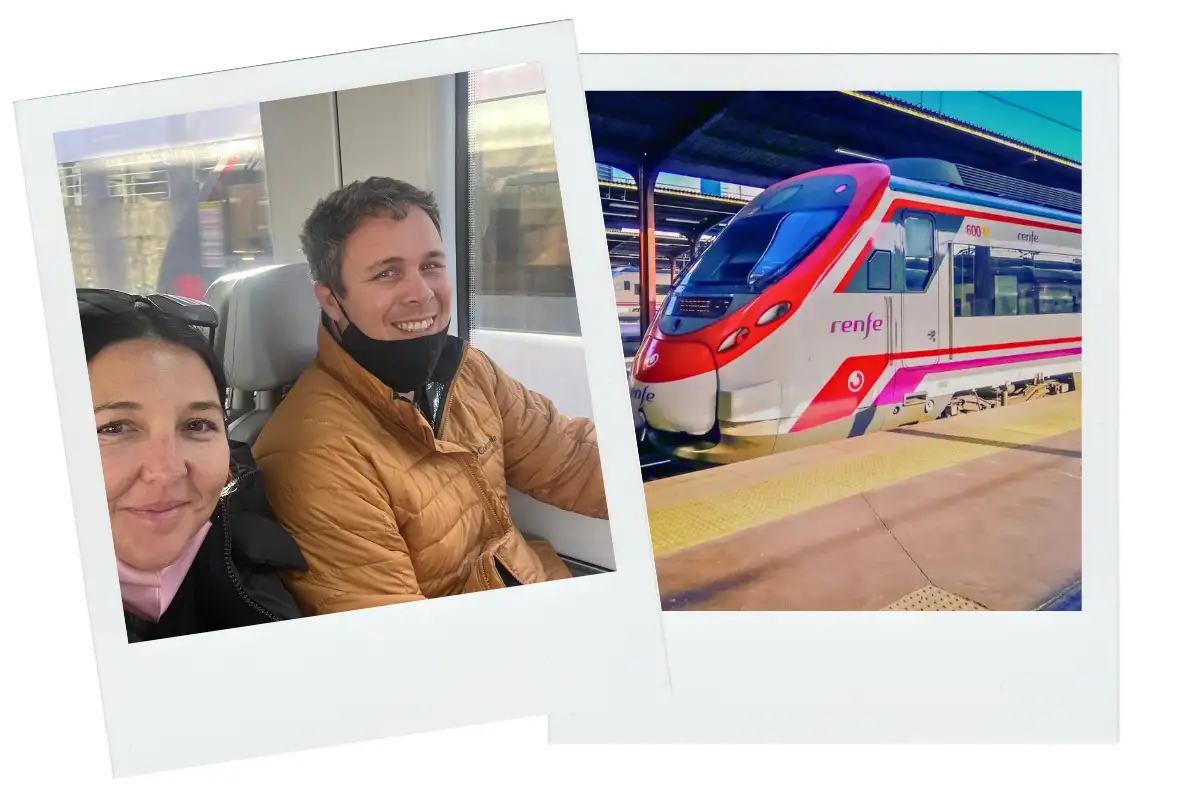
For months, we were out exploring constantly, finding new favourite restaurants almost every day. The bus network made it easy to get around, and the Renfe trains had us zipping off to nearby spots like Fuengirola and Benalmádena without a second thought. Day trips from Malaga to Ronda, Granada, and even skiing in the Sierra Nevada were all within reach. We burned through a lot of cash those first few months, but it felt worth it.
Even now, years later, our local bucket list still isn't finished.
At the start, we fully leaned into the Spanish way of life.
Late-night dinners at 11 p.m. became normal. Scrambled eggs and bacon gave way to pitufos with olive oil, tomato and jamón ibérico for breakfast.
Long meals that stretched until closing time and slow walks through the streets with new friends quickly became our favourite way to spend the evening.
We've never once felt unsafe in Málaga. And that, more than anything, is what makes this city feel like home.
What We Love About Malaga

There's a lot to love about living in Málaga, but a few things always rise to the top.
Back home, we used to check the weather forecast before making weekend plans.
Here, we don't even bother. The sun is almost always shining, and that changes everything. Most weekends start with a walk to one of our favourite cafés, where we order a pitufo, fresh orange juice, and coffee for just 2.50 euros each. It's simple, it's cheap, and it never gets old.
After breakfast, we usually head to the Atarazanas Market to stock up on fresh produce.
We browse the stalls, chat with the vendors, and pick up whatever looks good. Then, it's a short walk to the beach for a few hours in the sun, followed by drinks at our local pub. A quick siesta later, our phones are buzzing with dinner invites from friends.
It's hard to put into words what makes life here so special.
But it has a lot to do with how connected everything feels. Málaga is easy to walk in, and the city always feels alive. Throughout the year, there's always something happening, festivals, concerts, markets, and religious celebrations are never far away.
It's also a city packed with culture.
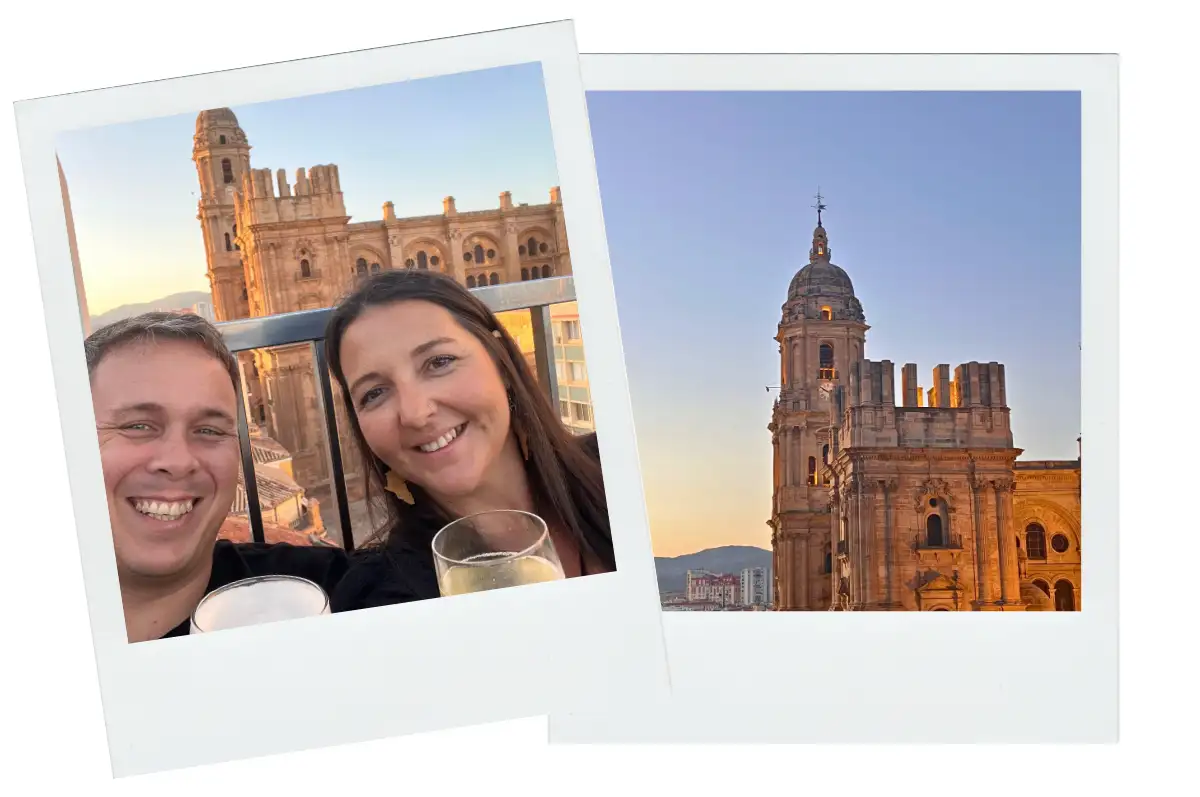
Málaga has earned the title "City of Museums," with more than 40 within the city itself. You'll also find historical landmarks like the Alcazaba, the Roman Theatre, and La Manquita, each one worth visiting again and again. For a full list of attractions, check out our guide to things to do in Malaga. There's something quietly magical about being able to walk through history on a daily basis.
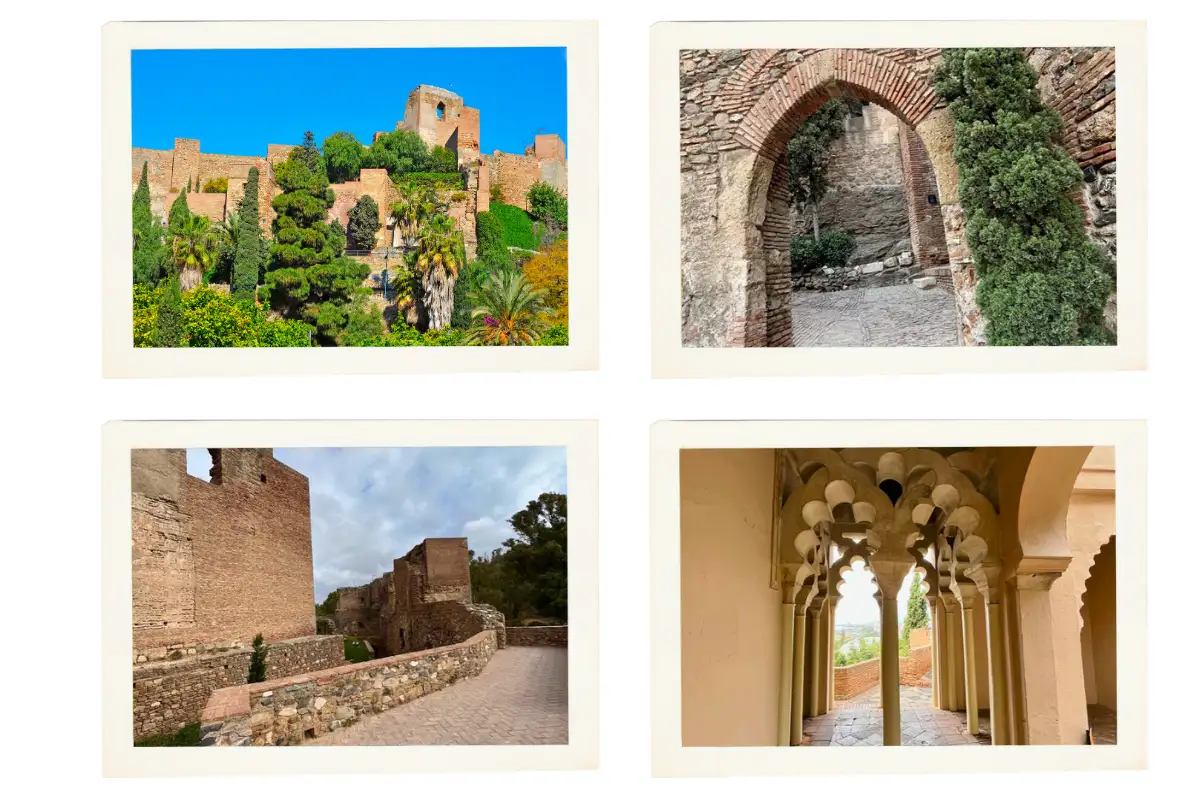
The hardest decision most days is where to eat next. Restaurants are (mostly) affordable, and there are so many great options that we often find ourselves walking in circles, trying to choose. If you need help deciding, read our guide to where to eat and drink in Malaga.
The people here are friendly too.
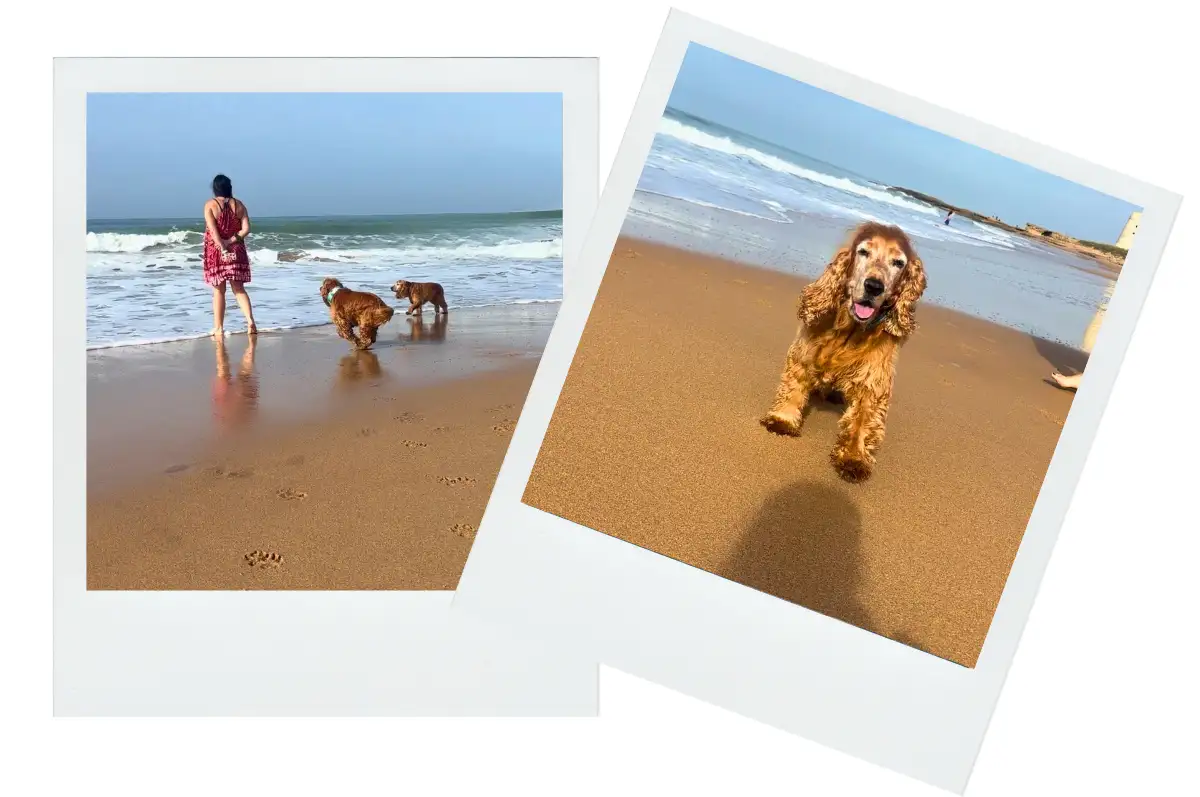
On our daily dog walks, we've made friends with more abuelas than we can count. It's something we never experienced in South Africa, seeing older generations out walking, chatting, and soaking up the sun.
The ever-present sun has a real effect on your mood. You wake up each day with the feeling that anything is possible.
And time feels different here. The days are longer, the pace is slower, and the pressure to rush just fades away.
Adapting To The Language
Looking back at how much time we've spent in Spanish-speaking countries, it's hard not to feel a bit guilty about how limited our Spanish still is.
The truth is, it's easy to get by with the basics, especially in Málaga, where English is widely spoken. Tourism drives much of the local economy, so most people are used to switching languages.
But something gets lost when you can't speak the local language. And it's not always obvious at first.
We see it all the time.
Outside of work, people naturally switch back to their native Spanish. At lunch, at dinner, at birthday parties, it's the same. When you don't speak the language, it's easy to feel left out. Not intentionally, but you might find yourself missing out on things like casual invites or spontaneous plans simply because people assume you won't be able to follow along.
Then there are the daily frustrations.
A call from the bank, dealing with a breakdown, or trying to explain an issue to your insurance company can turn into a real headache without the right words. Imagine trying to book a vet appointment and the receptionist does not speak English. I'm now a pro at making them because I use the same sentences time and time again.
It's easy to live in Málaga without speaking Spanish. But it's just as easy to miss out on the full experience of living in Spain.
If you're visiting, learning the top 100 Spanish phrases will go a long way.
Locals notice when you make the effort, and it makes everything smoother. If you're planning to move here and want to feel truly part of the culture, do yourself a favour and start learning the language. It makes all the difference.
The Spanish Lifestyle

It's hard to shake years of habit and culture.
For us, this shows up most in how we handle mealtimes. Our daughter has adapted quickly to the Spanish rhythm, but we still find ourselves clinging to early starts and a solid breakfast to kick off the day.
So what is the Spanish lifestyle, really?
In a place like Málaga, the traditional way of life often collides with the constant flow of tourism.
My morning pitufo competes with the full English breakfast. Just as tourists finish up dinner around 9 or 10 p.m., locals are only beginning to arrive in what feels like a second wave.
If I had to sum up the Spanish lifestyle in one word, it would be unhurried.
Mornings start slow, usually with a light breakfast and a coffee.
The city doesn't fully wake up until late morning. The biggest meal of the day is lunch, and it's often followed by a break, the famous siesta. Afternoons are for errands, appointments, or work, and the day stretches well into the evening.
Dinner is late.
Really late. It can go on for hours and sometimes moves from one place to another. The focus is on connection. Long meals, good wine, and conversations that don't need to end just because the plates are cleared. You won't see people rushing to pay the bill or checking the time.
Tradition also runs deep.
Religious holidays, local festivals, and family gatherings are part of the cultural fabric. These aren't occasional events; they're essential.
The Spanish way of life isn't something you pick up the moment you arrive.
It takes time. You grow into it. Slowly, without even noticing, you begin to match the pace, let go of the rush, and lean into the rhythm.
And when you do, it changes the way you experience everything.
The Cost of Living In Malaga
One of Málaga's growing pain points is the cost of living.
Don't get me wrong; it's still possible to eat well, explore the city, and enjoy daily life on a budget. But it's also hard to ignore how quickly prices have climbed in recent years, especially for locals and long-term residents.
So what's going on?
It's a tricky topic.
Málaga sits in a tough spot. On one hand, the city relies on tourism to keep its economy moving. On the other hand, that same tourism is pushing up the cost of living. Rent, groceries, and transport are all feeling the pressure.
Take our rental, for example.
We've only lived here for two years, but if the apartment were listed again today, it would cost about 30 per cent more. That's a huge jump. And honestly, we're grateful for Spain's rent control laws, because they've kept things manageable.
If you're thinking about moving to Málaga and you're a working family like us, here's our advice: it can work, but you'll need to adapt. For budget tips, see our guide to cheap accommodation in Spain.
Think about trading a house for a smaller apartment.
Use public transport instead of owning a car. Shop at local markets, cook at home, and embrace the Spanish way of living. These changes can make a big difference.
After all, if you're coming to Spain, why not live as the locals do? You'll save money and probably enjoy the experience even more.
What's Been Hard About Living In Malaga
Funny how it's always easier to list the things that annoy you than to explain what makes you happy.
The first thing that came to mind was tourists, but if I'm being honest, it's the bureaucracy that really gets under my skin.
In Spain, there's a form for everything. Need to see a doctor? Sometimes, you have to see one doctor just to get referred to another. If you're sick and need time off, you have to drag yourself to the local clinic for a certificate because it's the government that pays for your sick leave. Standing in a queue while running a fever is no one's idea of healthcare.
And taxes… let's not even go there.
Still, for all the red tape, it's hard to stay frustrated for long.
Walk around Málaga and you can actually see where your tax money goes. The city is clean, well-maintained, and there's a strong sense of civic pride. That counts for a lot.
Tourism comes second on the list.
Most of the time, it's a minor annoyance. But during peak summer or major religious festivals, it can get overwhelming. We've definitely had days where we dream of escaping the city for a week.
The layout of Málaga doesn't help.
There's really only one main road in and out, and a simple 4-kilometre drive can turn into a 20-minute slog. During big festivals, the roads shut down, and traffic grinds to a halt. Even walking gets tricky, with processions winding through the streets and cutting you off from your destination or your own home.
Then, there are the mosquitoes.
I don't know where they come from. It barely rains, but somehow, they still show up in force some days.
And parking? Good luck. Street parking is nearly impossible, and paid garages feel like legalised extortion.
Still, none of this is a dealbreaker.
These are the kinds of everyday irritations you find anywhere. They come with the territory. And in Spain, they come with sunshine, good wine, and late-night dinners that make it all feel worth it.
Tips For Anyone Thinking of Visiting Malaga
1. Don't overplan. Málaga is made for wandering. Leave space in your itinerary to get lost in side streets, sit by the sea, or stumble across a local festival you didn't know was happening.
2. Learn a little Spanish. You can get by with English, but learning a few key phrases goes a long way. Locals appreciate the effort, and it opens doors, sometimes literally.
3. Adjust your schedule. Dinner doesn't start at 6 p.m. here. Most locals eat after 9, and shops often close in the afternoon for a break. Embrace the slower rhythm.
4. Use public transport. Málaga's buses and trains are cheap, easy, and reliable. Parking can be a nightmare, so skip the rental car unless you're heading out of town.
5. Visit outside peak summer. July and August can get packed. Spring and early autumn offer great weather, fewer crowds, and better prices.
6. Head beyond the city. Day trips to places like Ronda, Nerja, and the Caminito del Rey are easy to plan and totally worth it.
7. Eat like a local. Skip the tourist menus. Look for places where the locals go, usually small, no-frills spots with handwritten chalkboards and lots of noise.
8. Expect to walk. A lot. Málaga is compact, and walking is the best way to explore. Bring comfy shoes and enjoy the journey as much as the destination.
9. Pack for the sun, even in winter. It's not tropical, but Málaga is one of the sunniest cities in Europe. You'll still want sunscreen and sunglasses, even in January.
10. Be open to the unexpected. With street performances, pop-up markets, and late-night gatherings, Málaga has a way of surprising you. Let it.
Tips For Anyone Thinking of Moving To Malaga
It's hard to give one-size-fits-all advice because everyone's situation is different.
If you're thinking about moving to Málaga, feel free to reach out to me and Heidi. We'd be happy to help you get settled and avoid a few of the surprises we ran into.
The best advice we can offer is this: start talking to locals well before you arrive.
The earlier you connect with people on the ground, the smoother your move will be. Reddit is a great source of local advice.
We've seen it firsthand.
One friend paid a deposit directly to an agency that went completely silent afterwards. Another didn't know he had to register at his local clinic and ended up losing a day of pay when he got sick.
These are the little things that no one tells you until it's too late.
So, ask questions early, stay cautious with money, and always double-check the details. A few conversations now can save you a lot of stress later.
Final Thoughts
This is the first long piece I've written in a while, and it comes from a deeply personal place. My relationship with Málaga isn't easy to put into words.
Heidi and I still miss Costa Rica more than we can say.
We've traded waterfall escapes for cliff dives in Nerja and jungle hikes for long walks through sunlit streets. It's completely different but still deeply fulfilling in its own way.
If you find yourself in Málaga, whether for a visit or something more permanent, we'd love to hear what your experience was like.
Drop us a message. Let's compare notes. And if you're looking for accommodation tips, check out where to stay in Malaga.

Hey, I'm Jethro. I handle the logistics, the maps, and the 'how do we actually get there' side of things. Originally from South Africa, I now call Málaga home. When I'm not researching the best routes or hidden beaches, you'll find me figuring out where to park or which train to catch. You can reach me at jethro@spainonfoot.com
Planning a trip to Málaga?
Explore Málaga Guide→