where-to-eat
Where to Eat in Baeza: Best Restaurants & Tapas Bars (2026)

Forget the tourist menus. Here's where to eat like a local in Baeza, the heart of the world's olive oil capital.
Eating in Baeza at a Glance
Baeza sits in the heart of Jaen province, which produces more olive oil than any other place on earth.
This is not an exaggeration. The endless silver-green groves surrounding this Renaissance town supply roughly half of Spain's olive oil and a significant chunk of the world's supply.
What does this mean for eating here? Everything is cooked in exceptional olive oil, and you will taste the difference immediately.
But Baeza's food is not just about olive oil.
This is mountain cuisine - hearty, honest, built for people who work the land. Game, pork, seasonal vegetables, and bread that matters. You will not find molecular gastronomy or Instagram-worthy presentations. You will find food that has been made the same way for generations, served by people who genuinely want to feed you well.
What makes Baeza's food special?
Local tip
Jaen province produces around 70 million litres of olive oil annually. When you are here, ask for "aceite de cosecha temprana" (early harvest oil) - it is greener, more peppery, and absolutely magnificent drizzled over bread or tomato salad.
The cuisine here reflects its geography and history.
You are in the mountains of eastern Andalusia, where winters are cold and summers scorching. The food is designed to sustain and comfort.
Local ingredients that define the cuisine:
- Virgin olive oil from local mills (some restaurants use oil from trees they own)
- Game from the Sierra de Cazorla (venison, wild boar, partridge)
- Iberian pork from the Sierra de Segura
- Seasonal vegetables from the Guadalquivir valley
- Esparto grass mushrooms and wild asparagus in spring
Best restaurants in Baeza
Fine dining and special occasions

Vandelvira
€€€Creative AndalusianSan Francisco Convent · Renaissance elegance in a 16th-century convent
Must try: Venison loin with olive oil ice cream, salt cod with local olive oil
Housed in the former San Francisco Convent, Vandelvira combines serious cooking with one of Baeza's most spectacular settings.
The kitchen takes local ingredients seriously, working with nearby olive oil producers and game suppliers. Chef uses modern techniques without losing sight of what makes Jaen cuisine special.

Palacete de Manilla
€€€Traditional AndalusianHistoric centre · Elegant dining in a restored Renaissance palace
Must try: Lomo de orza (preserved pork loin), partridge escabeche
Elegant dining in a restored Renaissance palace with vaulted ceilings and period details.
The kitchen focuses on traditional Jaen cuisine executed with care and quality ingredients. A refined setting for a special dinner without the stuffiness of some upscale spots.
Traditional restaurants

Casa Juanito
€€Traditional Jaen cuisineCalle de San Pablo · Classic old-school restaurant, proper tablecloths
Must try: Espinacas con garbanzos (spinach with chickpeas), lomo de orza
A classic old-school restaurant with proper tablecloths and attentive service.
Casa Juanito has been feeding Baeza for generations, and the kitchen sticks to what it knows - traditional Jaen cooking done properly. The espinacas con garbanzos here is legendary, a dish that sounds humble but tastes transcendent.

La Barbería
€€Modern Andalusian tapasHistoric centre · Contemporary space in an old barber shop
Must try: Flamenquín (breaded pork roll), croquetas
A contemporary space in an old barber shop, La Barbería offers a lighter alternative to the traditional restaurants.
Good for tapas and raciones when you want quality without committing to a full meal. Popular with younger locals and visitors alike.
Budget-friendly options

Taberna El Pájaro
€Tapas and racionesNear the Cathedral · No-frills tapas bar, standing room at the bar
Must try: Tortilla española, patatas a lo pobre
A no-frills tapas bar with standing room at the counter and a few tables for overflow.
This is where locals grab a quick bite between errands. The tortilla is reliably good, and the patatas a lo pobre hit the spot. Perfect for a cheap, satisfying lunch.
What to order: Baeza's essential dishes
Good to know
Many dishes here are specific to Jaen province. Do not expect to find them in Seville or Malaga. This is your chance to eat food that exists nowhere else.
Starters and tapas
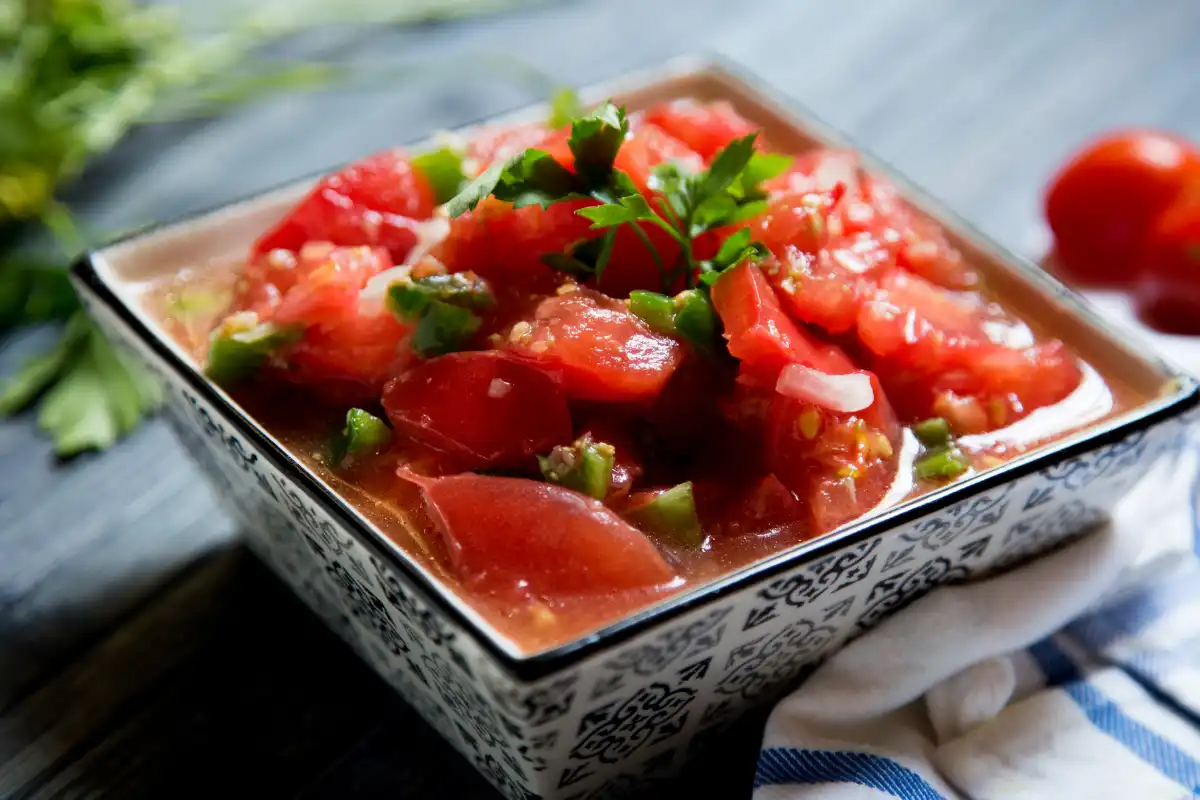
Pipirrana - A chopped salad of tomatoes, green peppers, onion, hard-boiled egg, and sometimes tuna, drenched in local olive oil. Deceptively simple, completely addictive when made properly.
Ochíos - Small bread rolls flavoured with olive oil and aniseed. Unique to the Jaen area and perfect for dipping.
Ensalada de perdiz - Partridge salad. Yes, game appears even in salads here.
Ajoblanco de Jaen - Not the Malaga-style cold soup, but a warm sauce/dip made with almonds, garlic, and olive oil. Completely different, equally delicious.
Main courses
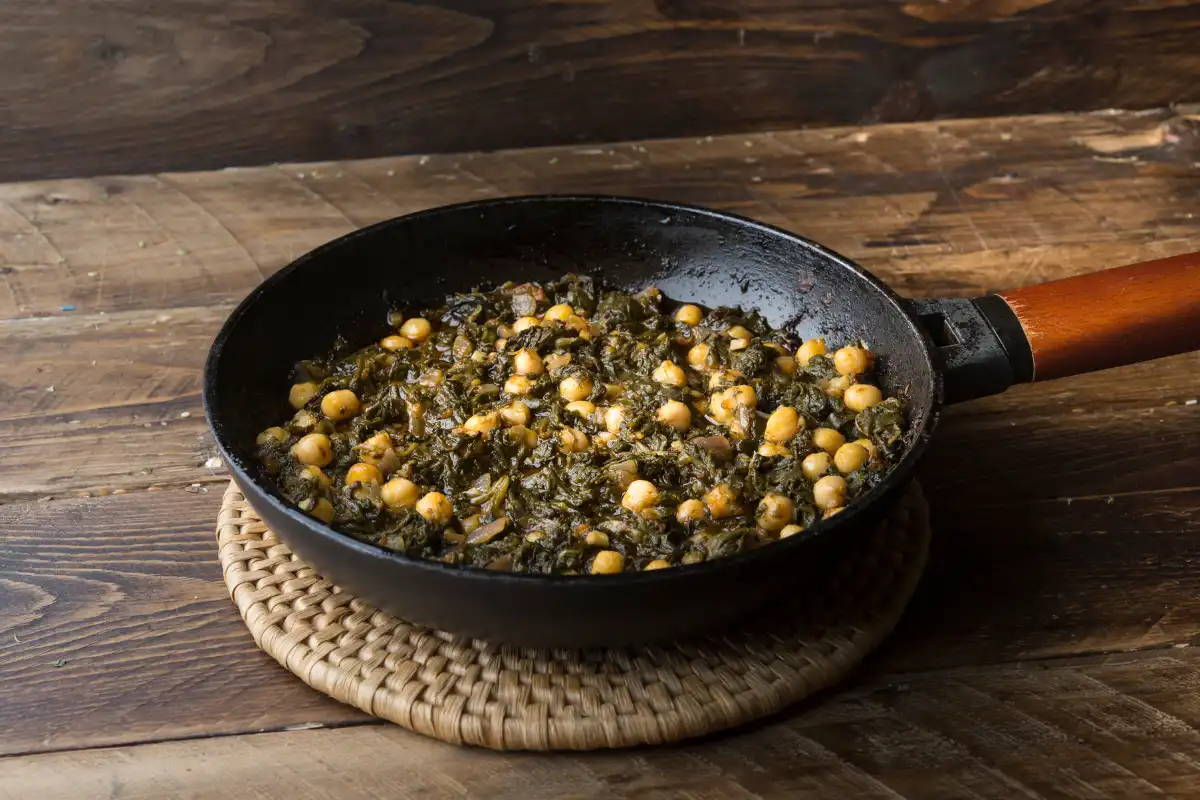
Espinacas con garbanzos - Spinach with chickpeas. Sounds humble, tastes transcendent when made with proper olive oil and a hint of cumin and paprika.
Andrajos - A pasta dish with rabbit, typical of the mountain areas. The pasta is torn by hand (hence the name, which means "rags").
Lomo de orza - Pork loin preserved in olive oil in clay pots (orzas). A traditional preservation method that results in incredibly tender, flavourful meat.
Ciervo en salsa - Venison in sauce, usually with a red wine base. Game is taken seriously here.
Cordero segureño - Lamb from the Sierra de Segura, often roasted simply with garlic and herbs.
Desserts
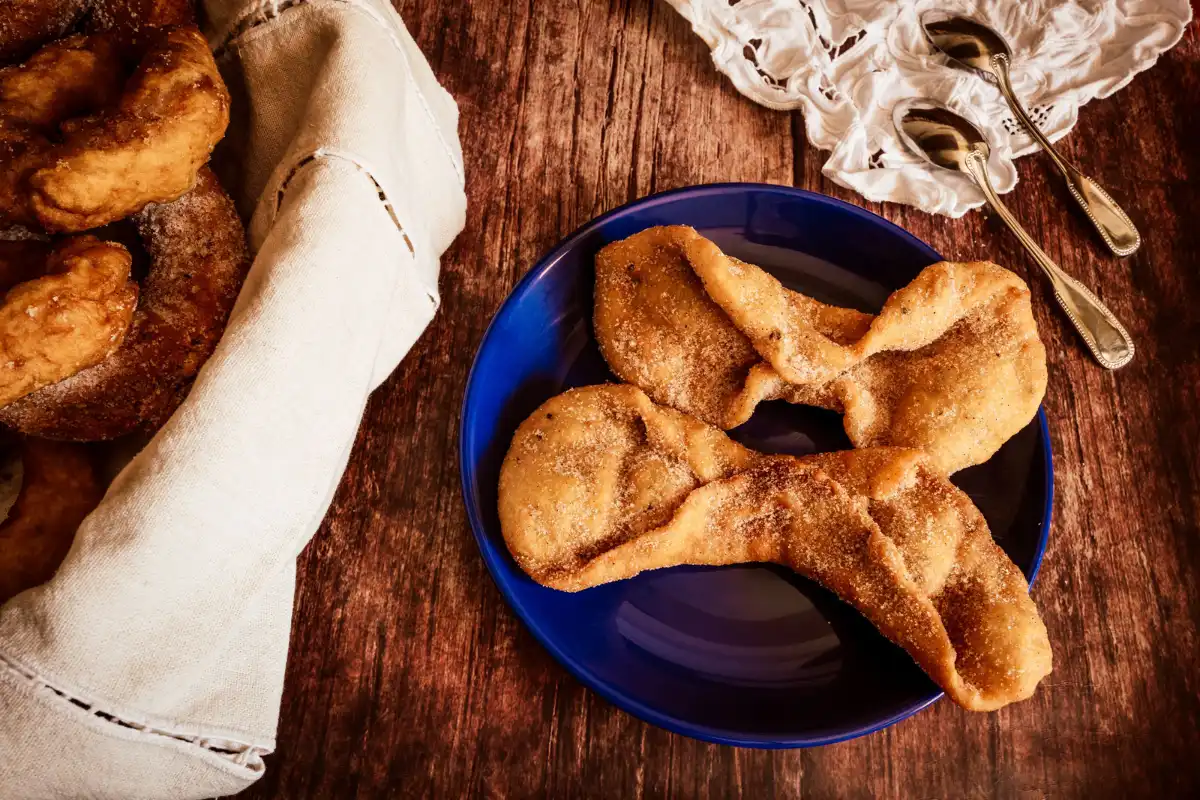
Pestiños - Fried dough fritters with honey, traditionally made during Semana Santa but available year-round in some places.
Gachas dulces - A sweet porridge made with flour, milk, and aniseed. Comfort food of the highest order.
Hornazos - Sweet pastries traditional to Easter, sometimes filled with hard-boiled eggs.
Where to drink in Baeza
Wine bars and evening drinks

Cafetería Arcediano
€Café-barPlaza del Pópulo · Terrace with views of the Renaissance fountain
Must try: Vermouth on tap, local olives
The terrace here overlooks the Renaissance fountain in Plaza del Pópulo, making it the best spot in town for people-watching over an afternoon vermouth. Order a cold beer or vermouth on tap, some olives, and watch the evening light play on the golden stone.
Practical tips for eating in Baeza
Spanish meal times in Baeza
- Breakfast (desayuno): 8-10am. Usually just coffee and toast.
- Mid-morning (almuerzo): 11am-12pm. A second, more substantial breakfast is common.
- Lunch (comida): 1:30-4pm. The main meal of the day. Most restaurants serve a menú del día.
- Dinner (cena): 8:30-11pm. Lighter than lunch for locals, though restaurants serve full meals.
- The gap: Most restaurants close between 4pm and 8:30pm. Plan accordingly or you will find yourself hungry with nowhere to go.
Booking and reservations
Baeza is small, and the best restaurants are genuinely small.
On weekends and during festivals, booking is essential. Midweek, you can usually find a table, but calling ahead never hurts.
Most restaurants do not have online booking. Call directly or ask your hotel to call for you.
The menú del día
Almost every restaurant offers a menú del día at lunch.
This is typically three courses (starter, main, dessert) plus bread, wine or water, and coffee for €12-20. The quality can be excellent, and it is how locals eat.
Ask "Tienen menú del día?" (Do you have a menú del día?) and they will tell you the options. Usually two or three choices for each course.
Olive oil etiquette
Local tip
When bread arrives, it often comes with olive oil for dipping. This oil might be from the owner's family grove. Pour a small amount onto your plate, add a pinch of salt if available, and dip your bread. It is acceptable to ask where the oil comes from - this is a point of pride in Jaen.
Tipping
Tipping is not obligatory in Spain, but rounding up is normal.
Leave €1-2 on a €20 bill, or 5-10% for exceptional service. Do not feel pressured to tip American-style amounts.
Day trip food: Olive oil mills
If you are interested in olive oil (and you should be), several mills near Baeza offer tours and tastings.
Save money
Some mills sell their oil directly to visitors at prices well below what you would pay in shops. Bring an empty bottle or buy one there. Fresh-pressed oil in November-December is a revelation.
The tourist office in Baeza can provide a list of mills open to visitors. November through January is harvest season, when you can see the process in action.
What about Ubeda?
Ubeda is only 9 kilometres away and has its own excellent restaurants. If you are staying in Baeza for several days, eating a meal or two in Ubeda makes sense.
Ubeda
9 km · 15 min driveThe twin Renaissance city offers fine dining options including the acclaimed Parador restaurant in a 16th-century palace.
Frequently Asked Questions

Hola! I'm the researcher, walker, and co-founder behind Spain on Foot. I help travellers experience Spain authentically, through in-depth guides, locals-only knowledge, and cultural stories you won't find in guidebooks. You can reach me at heidi@spainonfoot.com
Planning a trip to Baeza?
Explore Baeza Guide→