tips
Using Cards in Spain: The Complete Guide to Avoiding Fees
This post may contain affiliate links, which means I earn a small commission, at no extra cost to you. It helps keep the blog alive, and we really appreciate your support!

Hidden fees can cost you hundreds on a Spain trip. Here's exactly how to keep that money in your pocket.
Spain is one of Europe's most card-friendly countries.
Contactless payments work almost everywhere, from Michelin-starred restaurants to tiny village bars. But hidden fees can quietly drain your travel budget if you're not careful.
We've lived in Spain for years and made every mistake in the book. Wrong ATMs, wrong currency selections, cards declined at the worst moments.
This guide shares everything we've learned about using cards in Spain, so you can keep your euros for tapas instead of bank fees.
The Hidden Costs Most Travellers Miss
Before we get to solutions, here's what can quietly eat into your travel budget:
| Fee Type | Typical Cost | How to Avoid |
|---|---|---|
| Foreign transaction fees | 2-3% per purchase | Use a no-fee travel card |
| ATM withdrawal fees | €3-7 per withdrawal | Use Spanish bank ATMs |
| Dynamic Currency Conversion | 3-8% markup | Always pay in euros |
| Credit card cash advances | 3-5% + interest | Use debit for ATM withdrawals |
On a two-week trip with moderate spending, these fees can easily add up to €100-200. That's a lot of jamon.
Best Travel Cards for Spain (No Foreign Transaction Fees)
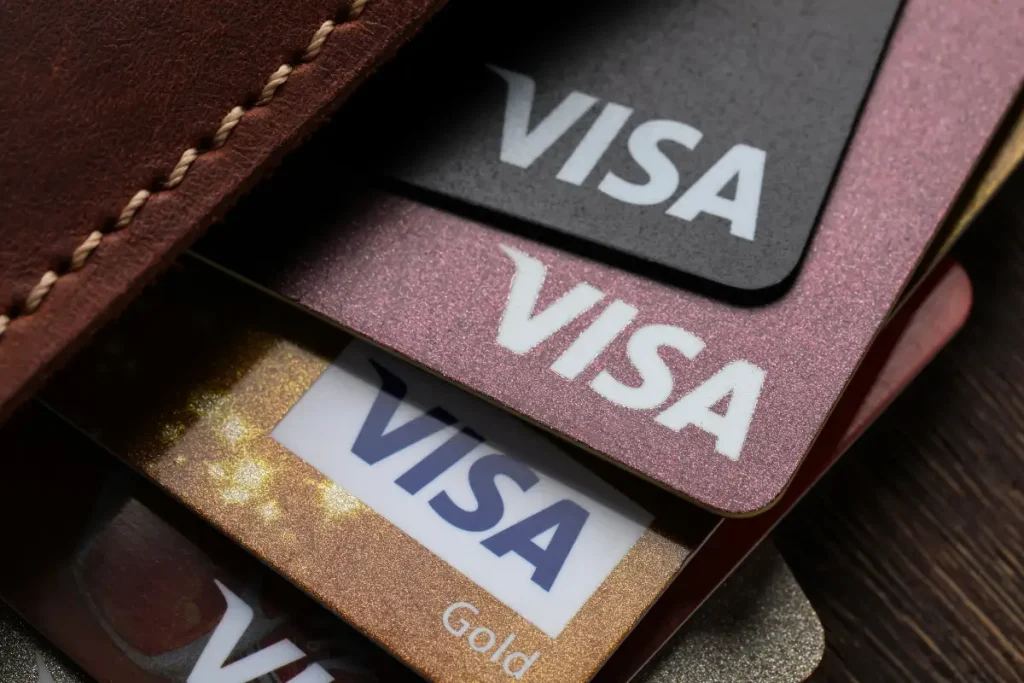
This is the single most important step.
Most standard credit and debit cards charge 2-3% on every transaction made in a foreign currency. It's called a foreign transaction fee (or FX fee), and it applies to every coffee, museum ticket, and hotel booking you pay for abroad.
On a €2,000 trip, that's €40-60 gone before you've even touched an ATM.
The solution is simple: get a travel-friendly card that doesn't charge these fees.
Good options for travel in Spain:
- Wise (formerly TransferWise) gives you the real exchange rate with low fees
- Revolut offers free ATM withdrawals up to monthly limits, plus useful app controls
- Chase Sapphire Preferred (US) has no FX fees and earns travel rewards
- Capital One Venture (US) has no FX fees and is widely accepted
- Starling Bank (UK) charges nothing on spending or ATM withdrawals abroad
- Monzo (UK) offers fee-free spending, though ATM limits apply
Cards to avoid for Spain travel:
- American Express has limited acceptance across Spain
- Most high-street bank cards charge 2-3% FX fees on every purchase
- Prepaid tourist cards often come with poor exchange rates
- Airport currency cards almost always offer terrible rates
Apply for your travel card at least 2-3 weeks before your trip. You'll need time for delivery, activation, and loading funds.
Always Pay in Euros (Avoid Dynamic Currency Conversion)
This is the trap that catches almost every tourist at least once.
When you pay with a foreign card in Spain, the card machine may offer to charge you in your home currency instead of euros. It sounds helpful, but it's actually a costly trick called Dynamic Currency Conversion (DCC).
Here's how it works:
- The merchant's payment processor converts your purchase to your home currency
- They use a terrible exchange rate (3-8% worse than the real rate)
- They pocket the difference as profit
- Your bank may still charge its own FX fee on top
The fix is simple: always choose to pay in euros.
When the terminal asks "Pay in EUR or USD/GBP?", select EUR.
If a waiter or cashier makes the selection for you, check the receipt. If it shows anything other than EUR, politely ask them to reprocess it.
The phrase you need: "En euros, por favor."
Some machines are sneaky. They'll show your home currency as the "recommended" option or bury the euro choice in small text. Always read the screen carefully before tapping or entering your PIN.
Which ATMs to Use in Spain (And Which to Avoid)
Not all ATMs in Spain are created equal. The difference between a good ATM and a bad one can be €5-7 per withdrawal.
ATMs to Avoid
Euronet, CashZone, and Euro Automatic Cash are independent ATM operators that target tourists.
You'll find them in airports, train stations, and busy tourist areas. Their fees are steep (€5-7+) and they aggressively push Dynamic Currency Conversion.
If you see a brightly coloured ATM with "Currency Exchange" written on it, walk away.
Best Spanish Bank ATMs
Stick to ATMs owned by major Spanish banks:
| Bank | Typical Fee (Non-EU Cards) | Notes |
|---|---|---|
| Unicaja | €0-3 | Best option in Andalusia, often fee-free |
| Bankinter | €0.50-2 | Lower fees, less common |
| Santander | €4-5 | Widespread, reliable |
| CaixaBank | €3-5 | Large network |
| BBVA | €4-6 | Found in most cities |
| Kutxabank | €0-5 | Varies by region |
| Sabadell | €3-5 | Common in Catalonia |
Withdraw larger amounts less frequently to minimise per-transaction fees. Taking out €200 once costs the same as €50 four times in bank charges, but you pay the fee only once.
What Happens at the ATM
When you withdraw cash, the ATM will likely offer to convert the amount to your home currency.
Always decline this.
Choose "Continue without conversion" or "Charge in EUR" to get your bank's exchange rate instead of the ATM's inflated one.
If the ATM shows a fee you don't like, you can cancel the transaction and try another machine. You won't be charged for cancelled withdrawals.
Credit for Purchases, Debit for Cash
This simple rule protects both your money and your security.
Use credit cards for purchases because they offer better fraud protection, often better exchange rates, purchase protection on many cards, no interest if you pay in full, and points or cashback rewards.
Use debit cards for ATM withdrawals because credit card cash advances incur immediate interest (often 20%+), credit cards often charge 3-5% cash advance fees, and debit withdrawals come directly from your account with no interest.
If you only have one card, make it a debit card with no foreign transaction fees. You can use it for both purchases and ATMs without penalty. Wise and Revolut cards work this way.
Notify Your Bank Before You Travel
We've had cards blocked on arrival.
Our bank saw "unusual activity" and froze the account. Not ideal when you're trying to pay for a €60 meal.
Most banks let you set a travel notice through their app or website. It takes 60 seconds and tells the fraud detection system to expect charges from Spain.
Log into your banking app, find "Travel notifications" or "Travel plans", add Spain and your travel dates, and include any countries you might pass through.
Some modern banks (Revolut, Monzo, Wise) don't require travel notifications because their fraud systems are smarter. But if you're using a traditional bank, set the notice.
Does Contactless Work in Spain?
Spain has embraced contactless payments more than almost any country in Europe. You can tap to pay at restaurants, supermarkets, public transport, taxis, pharmacies, and even market stalls.
Apple Pay, Google Pay, and Samsung Pay all work seamlessly. You could realistically travel through Malaga, Seville, or Granada using only your phone for payments.
But carry some cash anyway. A few situations still require it: very small traditional bars, some rural businesses, occasional "cash only" signs, tips, and street vendors.
Do You Need Cash in Spain?
Spain is overwhelmingly card-friendly, but you shouldn't travel without any cash at all.
Keep €50-100 in cash as backup, replenishing from ATMs as needed. You might go days without spending a single note, especially in cities like Malaga or Marbella where even market stalls take contactless.
In smaller towns and villages, cash becomes more important. If you're planning a day trip to somewhere like Frigiliana or Setenil de las Bodegas, have some euros in your pocket.
Spain also has a legal limit of €1,000 on cash payments to businesses if you're a tax resident. As a tourist this won't affect you, but it's worth knowing that Spain is actively moving toward a cashless economy.
Should I Exchange Money Before Travelling to Spain?
No. ATM withdrawals with a good travel card give you better rates than airport or high-street currency exchange bureaux.
If you want peace of mind, arrive with €50-100 in euros from your home country. But you'll get a worse rate than simply withdrawing from a Unicaja or Bankinter ATM after you land.
Don't exchange cash at bureaux de change in Spain either. Their rates are terrible. A fee-free travel card at a Spanish bank ATM will always beat them.
If you're flying into Malaga airport, skip the currency exchange desks and the Euronet ATMs in arrivals. Wait until you reach the city and find a proper bank ATM.
Tipping in Spain
Unlike the US, tipping in Spain is not expected or calculated as a percentage. But if you want to tip, cash is preferred.
At restaurants, round up or leave small change (€1-2). At cafes and bars, leave coins from your change. For taxis, round up to the nearest euro. For hotel porters, €1-2 per bag if you wish. For tour guides, €5-10 if you're happy with the experience.
There's no obligation to tip, and no one will chase you down if you don't. It's appreciated but genuinely optional.
For the full breakdown, read our complete guide to tipping in Spain.
Always Carry a Backup Card
Technology fails.
Cards get blocked. Magnetic strips demagnetise. Chips stop working. We've experienced all of these.
Our backup strategy: one Visa and one Mastercard from different issuers, one physical card and one digital wallet, cards stored in different places (wallet, bag, hotel safe).
If your primary card fails, you have options. If you're travelling as a couple, each person should carry at least one card.
Before You Travel Checklist
- Get a no-FX-fee travel card (Wise, Revolut, etc.)
- Set up Apple Pay or Google Pay as backup
- Notify your bank of travel dates
- Check your ATM withdrawal limits
- Know your PIN (chip and PIN is standard in Spain)
- Save your bank's international phone number
- Take photos of your cards (front and back, stored securely)
More Money-Saving Tips
Avoid airport ATMs. The fees are highest and exchange rates worst at airports. Wait until you're in the city.
Use your card's app. Modern travel cards like Wise and Revolut let you freeze and unfreeze cards instantly, monitor exchange rates, and set spending limits.
Check exchange rates before you go. Use the XE app or Wise to see the real mid-market rate. This helps you spot bad deals.
Is American Express Accepted in Spain?
Amex acceptance in Spain is limited.
While major hotels, airlines, and some upmarket restaurants take it, many everyday businesses don't. You'll see "Visa/Mastercard" signs far more often than Amex logos.
If you have an Amex with good travel benefits, bring it as a backup for larger purchases where you know it's accepted. But don't rely on it as your primary card.
Keep Your Money Where It Belongs
Travel in Spain doesn't have to come with financial surprises. With the right card, smart ATM choices, and awareness of the Dynamic Currency Conversion trap, you can keep those sneaky fees in your pocket.
We've made every one of these mistakes over the years. Wrong currency, wrong ATM, cards blocked at the worst moments. Now we travel smarter and stress a lot less.
The key takeaways:
- Get a no-FX-fee card before you go
- Always pay in euros
- Use Spanish bank ATMs
- Credit for purchases, debit for cash
- Carry a backup
Do these five things and you'll save money on every transaction. That's more euros for experiences, not bank fees.
For more practical advice, check out our guide to common tourist scams in Spain, staying safe in Spain, and the best travel apps for Spain.

Hola! I'm the researcher, walker, and co-founder behind Spain on Foot. I help travellers experience Spain authentically, through in-depth guides, locals-only knowledge, and cultural stories you won't find in guidebooks. You can reach me at heidi@spainonfoot.com