tips

Planning a Trip to Spain: The Complete Guide for First-Time Visitors (2026)

By HeidiPublished Updated

This post may contain affiliate links, which means I earn a small commission, at no extra cost to you. It helps keep the blog alive, and we really appreciate your support!

Planning a Trip to Spain: The Complete Guide for First-Time Visitors (2026)

Spain is easy to fall in love with. Here's how to plan a trip you'll actually enjoy.

Planning a trip to Spain can feel overwhelming.

There's so much to see. Beaches, mountains, Moorish palaces, medieval cities, world-class museums, and some of the best food in Europe.

Each region calls for your attention, but your time probably isn't unlimited.

Maybe you want to spend lazy days on the Costa del Sol. Or explore the Alhambra in Granada. Or hop between pintxo bars in San Sebastian. The options are endless, which is exactly why you need a plan.

The best time to visit is April to May or September to October. Plan at least 7 days for one region, budget around €80 to 150 per day at mid-range, and fly into Madrid, Barcelona, or Malaga depending on your route. Book AVE trains early, and get Alhambra and Sagrada Familia tickets well in advance.

This guide will help you choose the right destinations, avoid common mistakes, and build a trip that fits your pace.

We live in Spain and have explored every corner. Here's everything we wish someone had told us before our first trip.

Is Spain Worth Visiting?

Yes. Spain consistently ranks among the world's most visited countries for good reason. In one trip, you can experience world-class architecture like Gaudi's Sagrada Familia and the Alhambra, incredible food from Basque pintxos to Andalusian tapas, diverse landscapes from Mediterranean beaches to the Pyrenees, and a culture built around flamenco, fiestas, and enjoying life.

Spain also offers excellent value compared to other Western European countries. You can eat well, stay comfortably, and travel efficiently without breaking the bank.

How Many Days Do You Need in Spain?

Spain is bigger than it looks on a map. Trying to see everything will leave you exhausted. Here's how to plan based on your available time.

One week (7 days): Stick to one region. Andalusia (Seville, Granada, Cordoba) or Catalonia (Barcelona, Girona, Costa Brava) work well. Don't try to add Madrid. You'll spend too much time travelling.

Ten days: You can comfortably explore one region in depth, or combine two nearby areas. A Madrid + Toledo + Andalusia loop works well. So does Barcelona + Valencia + a day trip.

Two weeks: Now you can cover two distinct regions. Popular combinations include Madrid + Andalusia + Barcelona, Barcelona + Valencia + Madrid + Toledo, or Basque Country + La Rioja + Galicia.

Three weeks or more: You can move at a relaxed pace and include smaller towns, islands, or off-the-beaten-path destinations.

The biggest mistake first-time visitors make is trying to see too much. Spain rewards slow travel. Two or three well-chosen destinations beat six rushed ones every time.

Best Time to Visit Spain

Spain's climate varies dramatically by region and season. Timing your trip well makes a significant difference. For a deeper dive, see our guide on the best time to visit Spain.

Southern and Central Spain (Andalusia, Madrid, Castilla)

April to May and September to October are the sweet spot.

Spring brings perfect weather (20 to 28°C), orange blossoms in bloom, and manageable crowds. April brings Semana Santa and Feria de Abril in Seville.

Summer (June to August) is extremely hot, especially in Seville where it regularly hits 40°C+. Cities empty as locals flee to the coast.

Autumn is still warm, with fewer tourists and lower prices. Wine harvest season in La Rioja and other regions.

Winter (November to February) is mild in Andalusia (15 to 18°C), cold in Madrid (can drop to 0°C). Fewer tourists, but some attractions have reduced hours.

Northern Spain (Basque Country, Galicia, Asturias)

June to September works best. The north is greener but wetter. Summer offers the best weather (20 to 25°C), though you should always expect some rain.

Mediterranean Coast (Costa Brava, Costa Blanca, Costa del Sol)

May to June and September to October offer the best balance. Summer is hot and crowded, but that's when the beach scene is liveliest. Shoulder season brings warm enough temperatures for beaches (22 to 28°C), fewer crowds, and better prices.

Islands

The Balearics (Mallorca, Ibiza, Menorca) are best May to October, with peak party season in July and August. The Canary Islands (Tenerife, Gran Canaria) are a year-round destination, best November to April when mainland Europe is cold.

Spanish Festivals to Plan Around

Seville in a day spainonfoot 15 1

Spain loves a fiesta. Major festivals attract crowds and spike prices, but they're also unforgettable experiences. For a full list, see our guide to unique festivals in Spain.

Semana Santa (Holy Week) takes place the week before Easter. Dramatic processions fill the streets of Seville, Malaga, and other cities. Book months ahead.

Feria de Abril happens two weeks after Easter. It's Seville's famous fair with flamenco, horses, and all-night parties.

Las Fallas is mid-March. Valencia burns giant sculptures in spectacular bonfires.

San Fermin is in early July, the running of the bulls in Pamplona.

La Tomatina falls on the last Wednesday of August. It's a massive tomato fight in Bunol, near Valencia.

La Merce is in late September, Barcelona's biggest festival with human towers, fire runs, and concerts.

If you want to experience these festivals, book accommodation and transport months in advance. If you prefer avoiding crowds, check festival dates and plan around them.

Where to Go in Spain: Regional Overview

Map of Spain

Spain has 17 autonomous communities, each with distinct culture, cuisine, and landscapes. Here's what each region offers.

Andalusia (South)

The Spain of postcards. Whitewashed villages, Moorish palaces, flamenco, and tapas.

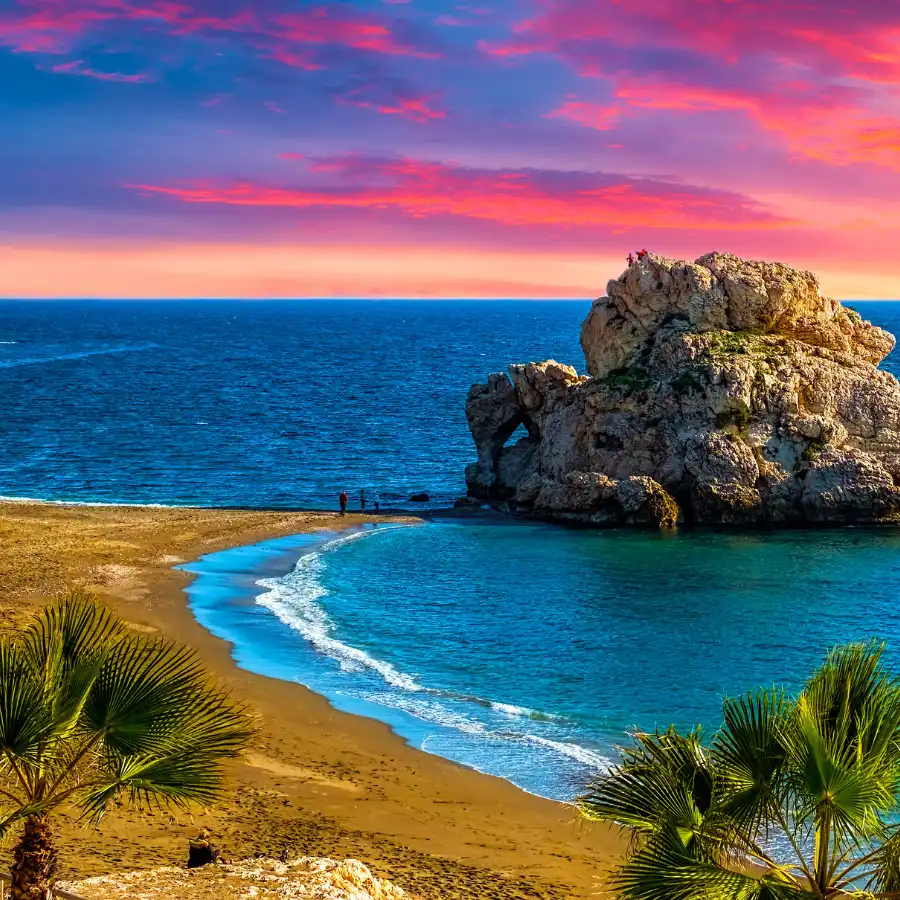
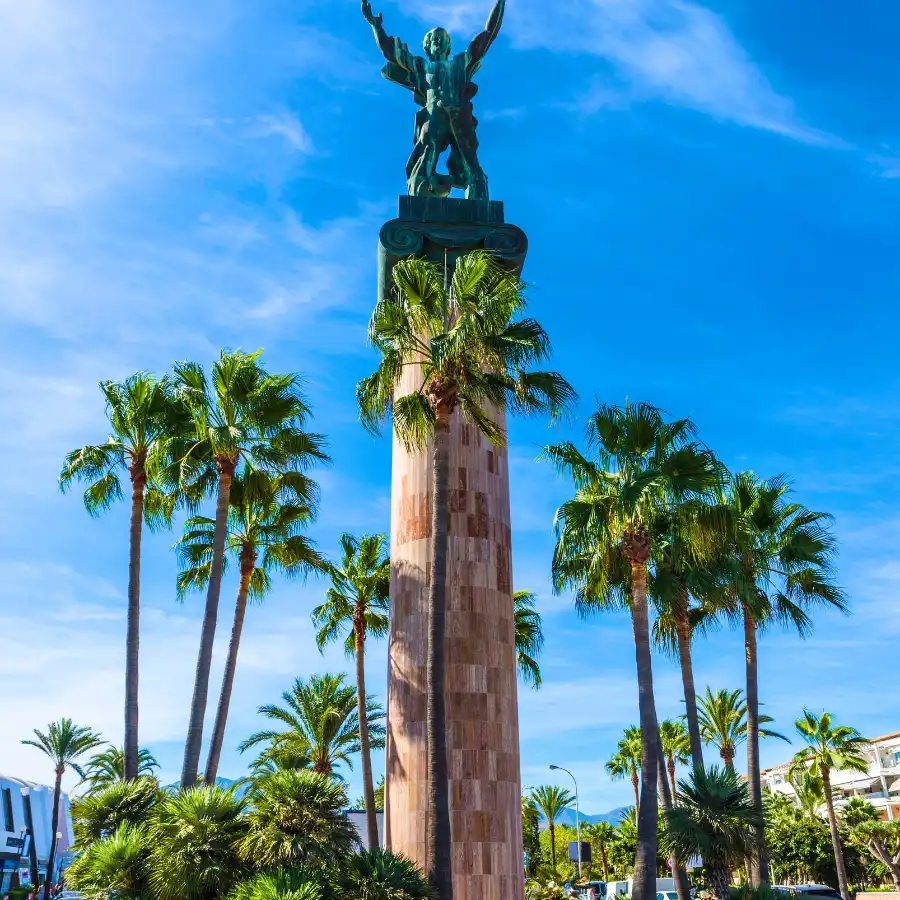
Essential stops include Seville, Granada, Cordoba, and Malaga. The Costa del Sol offers beach towns like Nerja, Marbella, and Estepona. For a full breakdown, read our ultimate guide to Andalusia.

First-time visitors, Moorish history fans, beach lovers, and food lovers will all feel at home here.

Catalonia (Northeast)

Home to Barcelona, one of Europe's most exciting cities. Beyond the capital, explore medieval Girona, the Dali museum in Figueres, and the wild Costa Brava coastline.

Great for architecture, beaches, art, and nightlife.

Madrid Region (Centre)

Spain's capital offers world-class museums (Prado, Reina Sofia), royal palaces, and excellent food. Day trip to historic Toledo, just 30 minutes away.

Great for art, history, nightlife, and the food scene.

Basque Country (North)

San Sebastian has more Michelin stars per capita than almost anywhere on earth. Bilbao has the Guggenheim. The coastline is dramatic, and the food is exceptional.

Great for foodies, culture, surfing, and sophisticated travellers.

Valencia Region (East)

Birthplace of paella, home to futuristic architecture, and gateway to beautiful beaches. Often overlooked but offers great value and fewer crowds.

Great for beach holidays, food, families, and architecture.

Galicia (Northwest)

Green, Celtic, and completely different from southern Spain. Santiago de Compostela is the famous pilgrimage destination. Seafood is exceptional.

Great for hiking, seafood, the Camino de Santiago, and escaping crowds.

Balearic Islands

Mallorca, Ibiza, Menorca, and Formentera offer beaches, nightlife, and Mediterranean charm. Each island has a distinct personality.

Canary Islands

Volcanic landscapes, year-round warmth, and diverse terrain from black-sand beaches to alpine zones. Tenerife and Gran Canaria are the largest.

Sample Spain Itineraries

One Week in Andalusia (Classic First Trip)

This is the itinerary we recommend for first-time visitors who want quintessential Spain.

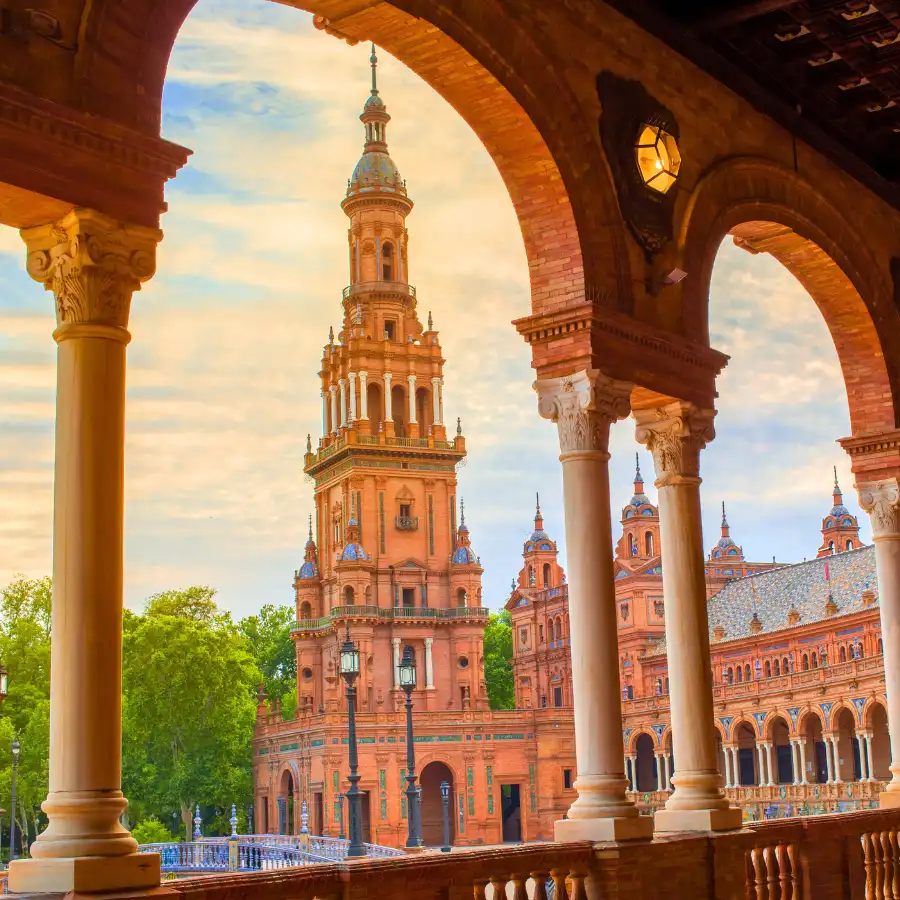
Days 1 to 2, Seville. Explore the Alcazar, Cathedral, and Barrio Santa Cruz. Evening flamenco show. Day 2 is for Plaza de Espana and a tapas crawl.

Day 3, Cordoba (day trip). The Mezquita is unmissable. Wander the Jewish Quarter and have lunch before returning.

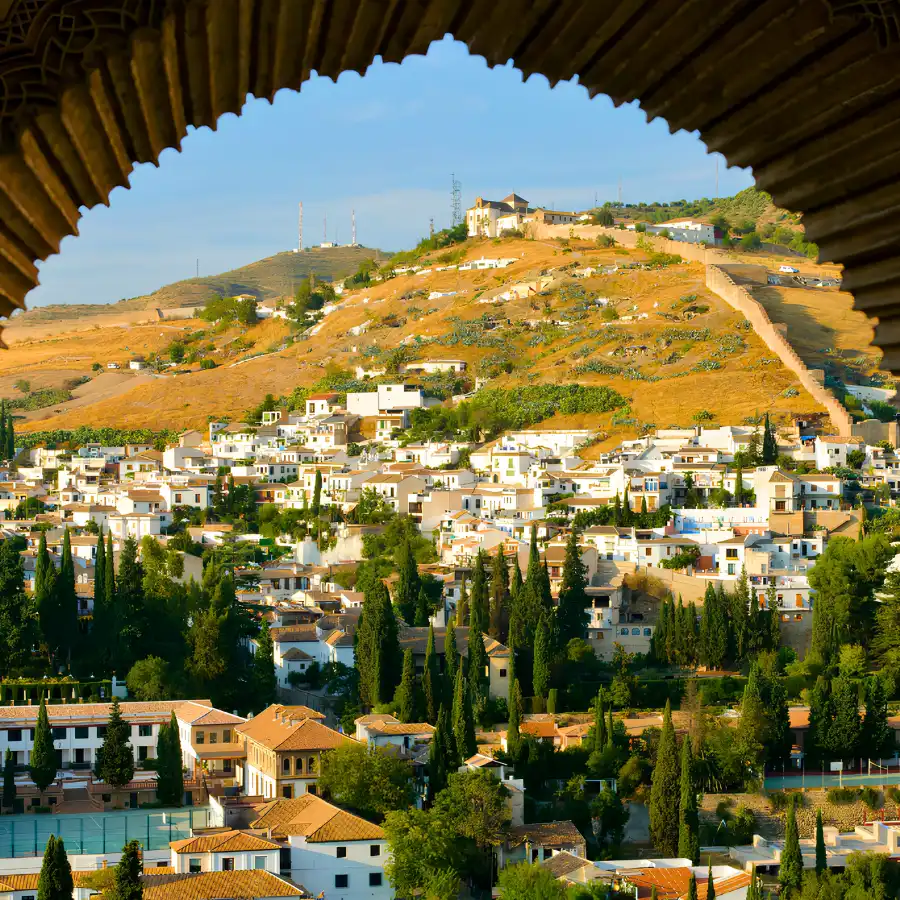
Days 4 to 5, Granada. The Alhambra (book weeks ahead), the Albaicin neighbourhood, and Sacromonte caves. Granada's free tapas culture is legendary.

Days 6 to 7, Malaga or Costa del Sol. Beach time, Picasso Museum, or day trips to Ronda or Nerja. Fly home from Malaga.

Rent a car or use buses and trains between cities. Seville to Granada is 3 hours by car.

Ten Days: Madrid + Andalusia

Days 1 to 3, Madrid. Prado Museum, Royal Palace, Retiro Park, tapas in La Latina. Day trip to Toledo on Day 3.

Day 4, travel to Seville. AVE high-speed train (2.5 hours). Afternoon exploring Seville's Old Town.

Days 5 to 6, Seville. Alcazar, Cathedral, Barrio Santa Cruz, Plaza de Espana, flamenco.

Day 7, Cordoba (day trip). Mezquita, Jewish Quarter, return to Seville or continue to Granada.

Days 8 to 9, Granada. Alhambra, Albaicin, Sacromonte. Take your time.

Day 10, Malaga. Morning in Granada, drive to Malaga (1.5 hours). Afternoon at the beach, evening flight home.

Two Weeks: Barcelona to Andalusia

Days 1 to 3, Barcelona. Sagrada Familia, Park Guell, Gothic Quarter, La Boqueria market, beaches.

Days 4 to 5, Valencia. City of Arts and Sciences, historic centre, beach, paella. Train from Barcelona (3 hours).

Days 6 to 7, Madrid. Prado, Royal Palace, tapas, nightlife. Day trip to Toledo or Segovia.

Days 8 to 9, Seville. AVE from Madrid (2.5 hours). Alcazar, Cathedral, flamenco.

Day 10, Cordoba. Day trip from Seville or en route to Granada.

Days 11 to 12, Granada. Alhambra, Albaicin, relaxed pace.

Days 13 to 14, Costa del Sol. Beach time in Nerja or Marbella. Fly home from Malaga.

Northern Spain Road Trip (2 Weeks)

For repeat visitors or those wanting something different.

Days 1 to 2, Bilbao. Guggenheim Museum, pintxos in Casco Viejo, day trip to Gaztelugatxe.

Days 3 to 5, San Sebastian. Best food city in Spain. Old Town pintxos, La Concha beach, Parte Vieja bars.

Days 6 to 7, La Rioja. Wine country. Visit bodegas in Haro, stay in Logrono, eat lamb asado.

Days 8 to 9, Burgos and Leon. Gothic cathedrals, Camino de Santiago route.

Days 10 to 12, Galicia. Santiago de Compostela, Rias Baixas, seafood feasts.

Days 13 to 14, Asturias. Dramatic coastline, cider houses, Picos de Europa mountains.

How to Get Around Spain

Trains (Best for City-to-City)

Spain's high-speed AVE trains are excellent. Madrid to Barcelona takes 2.5 hours. Madrid to Seville takes 2.5 hours. Trains are comfortable, punctual, and often faster than flying when you factor in airport time.

Book through Renfe.com (official) or Omio/Trainline for comparison. Booking 2 to 3 weeks ahead gets the best prices, as last-minute AVE tickets can be expensive.

If visiting multiple cities, consider the Renfe Spain Pass for discounted travel on 4, 6, 8, or 10 journeys.

Buses (Budget Option)

Buses are cheaper than trains and reach smaller towns. ALSA is the main operator. Comfortable for medium distances, but slower than AVE trains.

Rental Cars (Best for Flexibility)

Essential for rural areas, small villages, and the coast. Andalusia especially benefits from a car. For tips on driving, see our driving in Spain guide.

Expect to pay €25 to 50 per day depending on season. Parking is challenging in historic centres, so look for underground car parks. AP motorways have tolls, but A-roads are free (just slower).

Domestic Flights

Useful for long distances like Barcelona to Seville or Madrid to the Canary Islands. Vueling, Iberia, and Ryanair operate domestic routes. Book early for cheap fares.

City Transport

Major cities have excellent metro systems (Madrid, Barcelona, Valencia, Bilbao). Buses and trams cover what metro doesn't. Taxis and ride-share apps (Uber, Cabify, Bolt) are widely available.

Can You Travel Spain Without a Car?

Yes, and many visitors do. Spain's train and bus network connects all major cities efficiently. The AVE high-speed rail links Madrid, Barcelona, Seville, Malaga, and Valencia in under 3 hours between most pairs.

For cities and larger towns, you won't need a car at all. Public transport, walking, and the occasional taxi are enough.

Where a car becomes useful is rural Andalusia, the white villages, smaller coastal towns, and the northern countryside. If your itinerary focuses on Barcelona, Madrid, and Seville, skip the car entirely. If you're planning to explore smaller places like Ronda, Frigiliana, or the Sierra Nevada, renting for part of your trip makes sense.

How Much Does a Trip to Spain Cost?

Your budget shapes your experience. Here's what to expect.

Daily Budget by Travel Style

On a budget (€50 to 80 per day), you'll stay in hostel dorms or budget guesthouses, eat menu del dia lunches and self-cater for some meals, use public transport, and stick to free attractions.

At mid-range (€100 to 150 per day), expect 3-star hotels or nice Airbnbs, restaurant meals and tapas bars, a mix of paid attractions and free sightseeing, and occasional taxis or guided tours.

For comfortable travel (€200+ per day), you're looking at 4-star hotels and boutique stays, nice restaurants and wine tastings, skip-the-line tickets and private tours, plus car rental.

For more budget tips, see our guide to the cheapest cities to visit in Spain.

Sample 10-Day Budget (Mid-Range)

CategoryCost
Accommodation€80/night x 10 = €800
Food€50/day x 10 = €500
Transport€200 (trains, buses, transfers)
Attractions€150 (Alhambra, Sagrada Familia, museums)
Extras€150 (drinks, souvenirs, tips)
Total€1,800 (roughly €180/day for two sharing)

Money-Saving Tips

Menu del dia fixed-price lunches cost €12 to 18 for 3 courses with wine. Granada, Almeria, and some other cities give free tapas with drinks. AVE tickets can be half-price 2 to 3 weeks ahead. Many museums have free entry hours, often on Sunday afternoons. Travelling in April to May or September to October gives better prices and weather.

Where to Stay in Spain

Accommodation Types

Hotels (€60 to 150/night) are a reliable option in cities and tourist areas. Book through Booking.com or directly.

Paradores are historic state-run hotels in castles, monasteries, and palaces. A unique experience, usually €100 to 200 per night.

Hostels (€20 to 40/night) have a good network across Spain, with private rooms available at most. See our guide to cheap accommodation in Spain for more budget tips.

Airbnb and holiday rentals (€50 to 120/night) are great for families or longer stays. Check local regulations, as some cities have cracked down on short-term rentals.

Boutique hotels (€100 to 250/night) are a growing scene in cities like Seville, Granada, and Barcelona.

For something different, check out our guide to unique places to stay in Spain.

Best Areas to Stay

In Barcelona, try the Gothic Quarter, Eixample, or Barceloneta for the beach. In Madrid, Sol/Gran Via, La Latina, and Malasana are all solid choices. In Seville, look at Santa Cruz, El Arenal, or Triana. In Granada, the Albaicin or city centre. In Malaga, the historic centre or Soho.

What to Book in Advance

Alhambra granada spain

Some things in Spain sell out. Don't miss these.

The Alhambra in Granada sells out weeks in advance. Book at alhambra-patronato.es. The Sagrada Familia in Barcelona should be booked online to skip long queues. AVE train tickets are much cheaper when booked 2 to 3 weeks early. Accommodation during festivals like Semana Santa, Feria de Abril, and San Fermin needs to be reserved months ahead.

Worth booking ahead are the Alcazar of Seville (especially in summer), popular restaurants in San Sebastian, flamenco shows in Seville, and wine tours in La Rioja.

You don't need to book most museums and attractions, regular restaurants and tapas bars, local transport, or day trips to smaller towns.

Do You Need a Visa to Visit Spain?

Most travellers don't need a visa for short trips. Citizens of the US, UK, Canada, Australia, and New Zealand can visit Spain for up to 90 days within any 180-day period under the Schengen Agreement. Your passport must be valid for at least 3 months beyond your planned departure date.

From late 2026, visa-exempt travellers will also need ETIAS (European Travel Information and Authorisation System), an online pre-travel authorisation costing €7 that's valid for 3 years. If you're planning a trip for late 2026 or beyond, check the latest requirements before booking.

For longer stays, work, or study, you'll need to apply for a specific visa well in advance. We cover entry requirements in more detail in our guide on whether you need a visa for Spain.

Understanding Spanish Culture

Spain has its own rhythm. Embracing it makes your trip better. For more on blending in, read how to eat like a local in Spain and how to avoid looking like a tourist.

The Spanish Schedule

Breakfast is light, often just coffee and a pastry between 8 and 10am. Lunch is the main meal, typically 2 to 4pm, and many restaurants only open for lunch. Shops close 2 to 5pm in smaller towns during siesta, though museums usually stay open. Dinner rarely starts before 9pm, often 10pm. Restaurants that are empty before 9pm are usually tourist traps. Bars fill up around midnight, and clubs open at 1 to 2am.

Tipping in Spain

Tipping is not obligatory in Spain. Service is included in prices. At restaurants, round up or leave €1 to 2 for good service, or 5 to 10% for exceptional meals. For bars, it's not expected. Round up for taxis, and leave €1 to 2 per bag for hotel porters. For the full breakdown, see our tipping in Spain guide.

What to Wear

Spaniards dress well but casually. In cities, smart casual works everywhere. Beach towns are more relaxed. For religious sites like churches and cathedrals, cover shoulders and knees.

Language

Spanish (Castilian) is spoken everywhere. Catalan in Catalonia, Basque in the Basque Country, and Galician in Galicia are also official languages in their regions.

English is widely spoken in tourist areas but less so in smaller towns. Learning basic phrases goes a long way. Useful ones include "hola" (hello), "gracias" (thank you), "por favor" (please), "la cuenta, por favor" (the bill, please), and "no hablo espanol" (I don't speak Spanish). For more, check out our Spanish travel speaking tips.

Is It Better to Fly Into Madrid or Barcelona?

Both are excellent gateways, and the best choice depends on your itinerary.

Madrid is more central and connects easily to Andalusia by AVE train (2.5 hours to Seville). If you're planning to head south, Madrid is the more efficient starting point. It's also the hub for domestic flights to the Canary Islands and other distant regions.

Barcelona is ideal if you're focusing on Catalonia, heading down the Mediterranean coast to Valencia, or combining beach time with city culture. It also has more direct budget airline connections from across Europe.

The smartest option for many itineraries is an open-jaw ticket. Fly into one city and out of the other to avoid backtracking. Madrid in, Malaga out works perfectly for an Andalusia trip. Barcelona in, Madrid out suits a coast-to-capital route.

Common Mistakes to Avoid

Trying to see too much is the most common one. Spain is bigger than it looks. Pick 2 to 3 destinations and explore them properly rather than rushing between cities.

Not booking the Alhambra catches many people out. Tickets sell out weeks ahead. Book immediately once you have dates.

Eating at tourist hours is a giveaway. Restaurants serving dinner at 7pm are tourist traps. Wait until 9pm for the real experience.

Ignoring siesta will leave you standing outside closed shops. Smaller towns shut down 2 to 5pm. Plan museum visits or rest during this time.

Underestimating summer heat is easy to do. Seville in August regularly hits 45°C. Plan activities for morning and evening if you visit in summer.

Not having cash trips people up in smaller places. Many small bars and shops prefer cash. ATMs are everywhere, but carry some euros. For more on this, see our guide to using cards in Spain.

Staying Safe in Spain

Make sure you don't skip travel insurance for Spain before your trip.

Spain is very safe for tourists. Violent crime against visitors is rare. The main concerns are pickpockets in tourist areas (especially Barcelona's La Rambla, Madrid's Puerta del Sol, and crowded beaches), beach theft, and the usual tourist scams. Use a money belt or front pocket, don't leave bags on chairs, and never leave valuables unattended on the beach.

For a deeper look, read our full Spain safety guide.

Useful Apps for Spain

Google Maps works well for navigation and public transport. Omio and Trainline let you compare and book trains and buses. The Renfe app is essential for Spanish train bookings. BlaBlaCar is popular for ridesharing between cities. TheFork (ElTenedor) handles restaurant reservations. Google Translate with the offline Spanish language pack is a lifesaver in smaller towns.

For a complete breakdown, check out our guide to the best travel apps for Spain.

Packing for Spain

Comfortable walking shoes are essential, as cobblestones are hard on feet. Bring layers because mornings and evenings can be cool, even in summer. Sun protection (hat, sunglasses, sunscreen) is a must, along with lightweight, breathable clothing and something smart-casual for nice restaurants. You'll need a plug adapter (Type C/F, same as most of Europe).

In summer, add light, loose clothing, sandals for the beach, and a refillable water bottle. In winter, pack a warm jacket (especially for Madrid and northern Spain) and an umbrella for the northern regions.

Planning Your Spain Trip: Step by Step

  1. Decide when to go. Check weather and festivals for your preferred destinations. Spring and autumn are generally best.
  2. Choose your region. First trip? Andalusia or Barcelona. More time? Combine regions. Don't try to see everything.
  3. Book flights. Compare airports. Flying into Madrid or Barcelona gives options. Malaga is perfect for Andalusia.
  4. Book must-have tickets. Alhambra first (sells out fastest), then Sagrada Familia, then trains.
  5. Reserve accommodation. Book central locations to maximise your time. Early booking gets better prices.
  6. Plan transport. Decide between trains, rental car, or a mix. Book AVE trains early for discounts.
  7. Leave room for spontaneity. Don't over-plan. Some of the best moments come from wandering and discovering.

Ready to Plan Your Trip?

Planning a trip to Spain isn't about cramming in every attraction. It's about striking a balance between sightseeing, relaxing, and eating your way through one of the best culinary destinations in the world.

Choose a region that excites you, book the essentials early, and leave space for spontaneity. The best memories often come from the unexpected, like stumbling upon a hidden plaza, joining a local festival, or getting lost in winding medieval streets.

Spain is easy to fall in love with and even easier to return to.

Heidi

Hola! I'm the researcher, walker, and co-founder behind Spain on Foot. I help travellers experience Spain authentically, through in-depth guides, locals-only knowledge, and cultural stories you won't find in guidebooks. You can reach me at heidi@spainonfoot.com