tips
Tourist Scams in Spain: 15 Common Tricks and How to Avoid Them
This post may contain affiliate links, which means I earn a small commission, at no extra cost to you. It helps keep the blog alive, and we really appreciate your support!

Spain is safe, but scammers love tourists. Here's every trick they use and how to avoid becoming a target.
Spain is one of Europe's safest countries for tourists, but that doesn't stop scammers from trying.
The same crowds that make Barcelona's Las Ramblas and Madrid's Puerta del Sol so exciting also attract pickpockets, con artists, and hustlers looking for easy marks.
The good news is that almost every scam in Spain follows the same tired patterns.
Once you know the tricks, spotting them becomes second nature.
We've lived here for years and seen most of these firsthand (or heard about them from friends who learned the hard way).
This guide covers every common tourist scam in Spain, where each one happens, and exactly how to protect yourself without becoming paranoid.
If something does go wrong, call 112 (Spain's free, multilingual emergency number) or 900 202 202 for tourist police assistance in English.
For more general safety advice for visiting Spain, we have a dedicated guide.
How Scams Work in Spain
Before we get to specific scams, understand the two tactics that underpin almost all of them:
The first is distraction. Someone gets your attention with a "helpful" stranger, an argument, something on your shirt, or a dropped item while an accomplice picks your pocket.
The second is pressure. You're put in an awkward social situation where it feels easier to pay than to refuse. A "gift" you didn't ask for, a service you never requested, a scene being made.
Once you recognise these patterns, you'll spot scams before they happen.
Scammers avoid locals because locals know the tricks. The more you look like you know where you're going, the less likely you are to be targeted. Walk with purpose, don't stop for strangers, and keep moving. Our guide on how to avoid looking like a tourist in Spain covers this in detail.
The 15 Most Common Tourist Scams in Spain
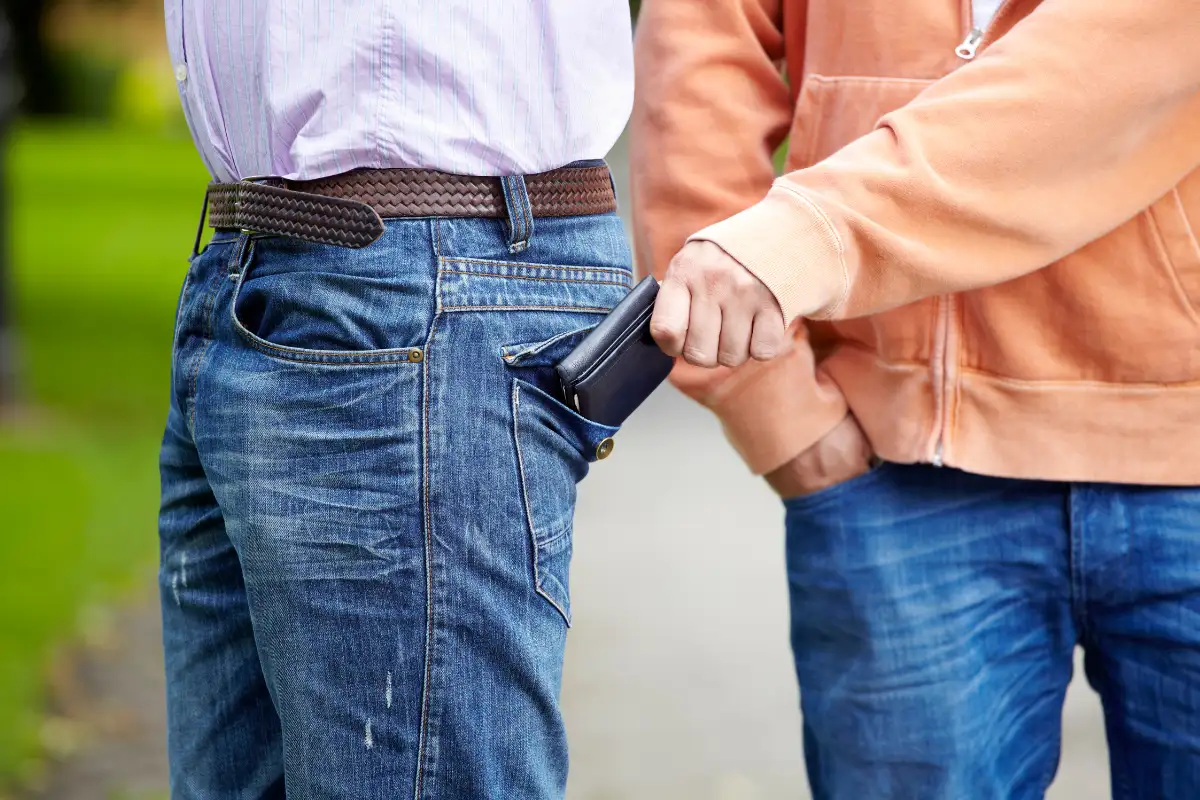
1. Pickpocketing (The Most Common by Far)
This isn't clever, but it's effective.
Pickpockets work crowded areas, targeting tourists with bags, visible phones, and wallets in back pockets. They often work in teams: one distracts, another steals. Phone snatching is also on the rise, with thieves grabbing devices out of people's hands while they're taking photos or using maps.
Where it happens: Las Ramblas (Barcelona), La Boqueria market, Sagrada Familia queues, Park Güell, metro stations, Puerta del Sol (Madrid), buses, anywhere crowds gather.
How to avoid it:
- Use a cross-body bag with zips facing your body
- Never keep valuables in back pockets
- Be extra alert when someone bumps into you or creates a distraction
- On public transport, keep bags in front of you and stay aware
2. The "Something on Your Shirt" Scam
A stranger points out something on your clothing (often fake bird droppings, mustard, or a mysterious stain). While you're distracted looking down or cleaning up, their accomplice picks your pocket.
Variant: Someone "accidentally" spills something on you, then apologises profusely while helping clean it up. Their hands are busy, and so are your pockets.
How to avoid it: If someone points out a stain, thank them and walk to a bathroom or private area to check. Never let strangers help clean your clothes.
3. The Bracelet/Rosemary Scam
A friendly person (often near tourist sites) ties a bracelet around your wrist or hands you a sprig of rosemary, insisting it's a gift.
Once it's on you, they demand payment. Refuse, and they make a scene, hoping embarrassment will make you pay.
Where it happens: Near the Alhambra, Sagrada Familia, major plazas, outside cathedrals.
How to avoid it: Keep your hands in your pockets when walking past. Don't stop, don't make eye contact, and firmly say "No, gracias" if approached. If they touch you, step back immediately.
4. The Fake Petition Scam
Someone (often a young woman) approaches with a clipboard, asking you to sign a petition for a charitable cause: deaf children, homeless shelters, cancer research.
After signing, they demand a donation. While you're focused on the clipboard, an accomplice is often picking your pocket.
Where it happens: Tourist areas in Barcelona, Madrid, and Seville. Common near the Eiffel Tower if you're also visiting Paris.
How to avoid it: Never stop for petition people. A firm "No" and keep walking. Real charities don't collect signatures from tourists on the street.
5. The Fake Police Officer Scam
Someone claiming to be a plainclothes police officer stops you, asks for ID, then requests to see your wallet to "check for counterfeit currency." Once your cash is in their hands, some of it disappears (or all of it).
How it works: Often a "friendly stranger" engages you in conversation first, then the "police officer" arrives and asks to see both your wallets. The first stranger is an accomplice.
How to avoid it: Real police never check tourists' wallets on the street. Ask to see identification (a badge number), and insist on going to the nearest police station before handing anything over. Fake officers will refuse and leave.
6. The Taxi Meter Scam
A taxi driver claims the meter is broken, or simply doesn't turn it on, then charges an inflated flat rate at the end. Some take unnecessarily long routes, especially from airports.
Where it happens: Airports, train stations, tourist areas.
How to avoid it:
- Only use official taxis (white with a coloured stripe in most cities)
- Insist the meter is turned on before starting
- Use apps like FreeNow or Cabify for transparent pricing
- Know roughly what the fare should be (airport to city centre is typically €25-35 in major cities)
- If you're visiting the Costa del Sol, our Malaga taxi guide has current fare estimates
7. The Shell Game (Three-Card Monte)
A street operator with cups or cards invites you to bet on which cup hides the ball or which card is the queen.
Crowds gather. Someone wins big. Exciting, right?
The crowd is full of accomplices, the game is rigged, and you will lose.
If you win, you won't be allowed to collect. These games sometimes turn threatening.
Where it happens: Las Ramblas (Barcelona), Puerta del Sol (Madrid), busy pedestrian streets.
How to avoid it: Never stop to watch. Walk past. If you do stop and feel pressured, seek help from nearby shop staff.
8. The Restaurant Bill Trick
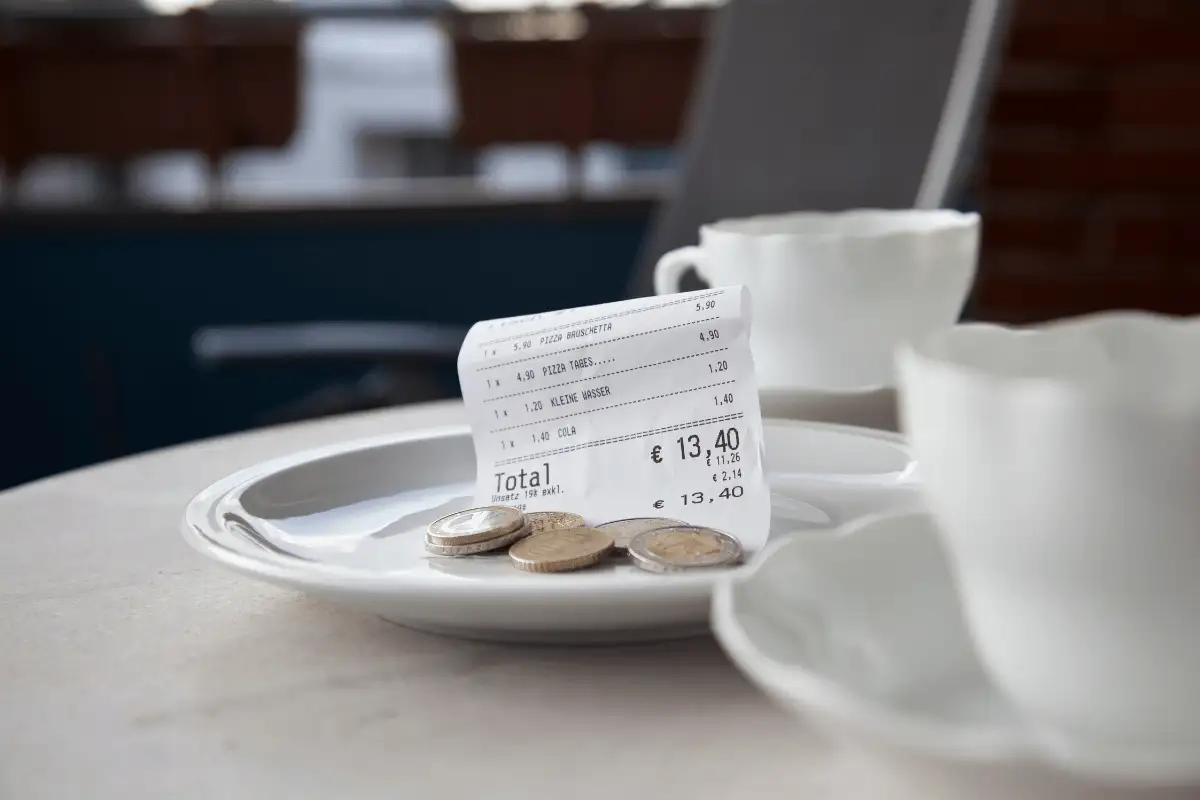
A restaurant in a tourist area adds charges to your bill: bread you didn't order, a cover charge not mentioned, inflated prices, or "mistakes" in the calculation.
Variant: The menu outside shows one price, but the menu inside (or the bill) shows another. Some restaurants have different prices for sitting inside versus on the terrace.
How to avoid it:
- Check menu prices before sitting down
- Ask about cover charges and service fees upfront
- Review your bill carefully before paying
- Spanish law requires menus to display prices clearly
9. The Menu Without Prices Scam
A restaurant has no prices on the menu (or only a vague "market price" for seafood). When the bill arrives, the prices are astronomical.
How to avoid it: If a restaurant doesn't show prices, leave. This is a massive red flag. Spanish law requires prices to be displayed.
10. The ATM Helper Scam
You're using an ATM and struggling with the Spanish interface.
A helpful stranger offers assistance. While "helping," they memorise your PIN or swap your card for a fake.
Where it happens: Tourist areas, especially near busy ATMs.
How to avoid it:
- Never accept help from strangers at ATMs
- Cover the keypad when entering your PIN
- Use ATMs inside banks during business hours when possible
- Check your card after the transaction
11. ATM Card Skimming
Criminals attach devices to ATM card slots that copy your card details. A hidden camera or overlay on the keypad captures your PIN.
How to avoid it:
- Wiggle the card slot before inserting your card (skimmers are often loose)
- Cover the keypad when entering your PIN
- Use ATMs inside banks
- Check your bank statements regularly
Your safest option is using ATMs located inside bank branches during business hours. These machines are regularly checked and far less likely to have skimming devices attached. Avoid standalone ATMs from operators like Euronet, which also charge high fees.
12. The Beach Theft
You leave your bag on the beach while swimming.
When you return, your valuables are gone. Thieves watch for unattended bags and strike quickly.
Where it happens: Every popular beach in Spain. Barceloneta is notorious.
How to avoid it:
- Never leave valuables unattended on the beach
- Take turns swimming if in a group
- Use a waterproof pouch for phone and cards
- Leave expensive items at your hotel
13. The Photo Offer Scam
A friendly stranger offers to take a photo of you and your travel companions.
They take your phone or camera, snap a picture, then ask for payment. Or they simply run off with your device.
Variant: Street performers in costume (mimes, gladiators, cartoon characters) pose for photos, then demand aggressive payment.
Where it happens: Tourist sites, Plaça de Catalunya (Barcelona), major plazas.
How to avoid it: Take selfies, or only ask other obvious tourists to take photos. For costumed performers, agree on a price before the photo or decline.
14. The Fake Charity/Sob Story Scam
Someone approaches with a desperate story: they need money for medicine, a bus ticket home, food for their children. They may show fake documents or injured limbs.
How to avoid it: If you want to help, offer to buy them food directly or accompany them to purchase what they need. Scammers will refuse. If you want to support genuine causes, donate to established charities online.
15. The Restaurant Voucher Scam
A friendly stranger hands you a voucher for a discount at a nearby restaurant. When you try to use it, the restaurant claims it's invalid or expired, and you're stuck with the full bill.
How to avoid it: Don't accept vouchers from strangers on the street. Find restaurants through reviews, recommendations, or by walking past and checking the menu yourself. Our guide on how to eat like a local in Spain has plenty of tips for finding genuine places.
Where Scams Are Most Common
| Location | Primary Scams | Risk Level |
|---|---|---|
| Las Ramblas (Barcelona) | Pickpocketing, shell games, fake petitions | Very high |
| La Boqueria Market | Pickpocketing | High |
| Sagrada Familia area | Bracelet scam, pickpocketing | High |
| Park Güell | Pickpocketing, photo scam | Moderate |
| Puerta del Sol (Madrid) | Pickpocketing, shell games | Very high |
| Madrid metro | Pickpocketing | High |
| Seville Cathedral area | Rosemary scam, fake petitions | Moderate |
| Alhambra (Granada) | Bracelet/rosemary scam | Moderate |
| Beach areas | Unattended bag theft | High |
| Airports and train stations | Taxi scams, bag theft | Moderate |
The more crowded and touristy a location, the more attractive it is to scammers. That doesn't mean you should avoid these places. Just be more alert when visiting them.
How to Protect Yourself From Scams in Spain
A few simple habits will keep you safe from almost every scam on this list.
Before you leave
- Get travel insurance that covers theft. It's cheap and saves you if something goes wrong
- Photograph your passport and cards, then store the photos in the cloud
- Set up transaction alerts on your bank cards so you'll know immediately if they're used
- Save Spain's emergency numbers in your phone (112 for general, 091 for police)
While travelling
- Use a cross-body bag with zips facing your body
- Keep your phone in a secure front pocket, not in your hand while walking
- Never put a wallet in your back pocket
- Carry only the cash you need for the day. Cards are accepted almost everywhere in Spain
- Leave your passport in the hotel safe and carry a photocopy instead
- Stay alert in crowded tourist areas, especially metro stations and queues
- Don't stop for strangers offering gifts, petitions, or help you didn't ask for
- Download useful travel apps for Spain before you go, including taxi apps and offline maps
Emergency Contacts in Spain

If something does go wrong, here's who to call. The 112 emergency number works across Spain and the entire EU.
| Service | Number | Notes |
|---|---|---|
| General Emergency | 112 | Free, works across EU, multilingual |
| National Police | 091 | For serious crimes, theft, lost passports |
| Local Police | 092 | Minor incidents, traffic, lost property |
| Medical Emergency | 061 | Ambulance and urgent medical care |
| Tourist Assistance | 900 202 202 | Foreign-language support from police |
If you're pickpocketed, report it to the National Police (091) as soon as possible. You'll need a police report, called a denuncia, for insurance claims. Some tourist areas have dedicated tourist police offices with English-speaking staff.
What to Do If You're Scammed
- Don't chase thieves: They may have accomplices, and it's not worth the risk
- Report to police: Call 091 or visit a police station for a denuncia (report)
- Cancel cards immediately: Call your bank to block stolen cards
- Contact your embassy: If your passport is stolen, they can issue emergency travel documents
- File an insurance claim: Your travel insurance should cover theft
Keep It in Perspective
We've lived in Spain for years and walked through all the areas mentioned above countless times.
Yes, scams happen. No, they're not inevitable.
The vast majority of tourists visit Spain without any problems.
Spaniards are genuinely friendly and helpful. The country is safe.
But a little awareness goes a long way.
Know the tricks, stay alert in crowded areas, and you'll be fine. Your memories of Spain should be flamenco, tapas, and sunshine, not frustration and lost wallets.
Stay smart, enjoy the trip.
Is Spain safe for tourists?
Yes. Spain is one of Europe's safest countries for tourists, and violent crime against visitors is extremely rare. The main risk is petty theft, particularly pickpocketing in crowded tourist areas like Las Ramblas and Puerta del Sol.
With basic awareness and the precautions in this guide, most travellers have no problems at all. We've lived in southern Spain for years and have never had a serious incident.
For a broader look at personal safety, our Spain safety tips guide covers everything from health and driving to natural hazards.
Should I carry cash or use cards in Spain?
Cards are widely accepted across Spain, including contactless payments. You won't struggle to pay by card in restaurants, shops, and attractions.
That said, carry some cash for small purchases, market stalls, and smaller bars in rural areas. Keep it in a secure front pocket or money belt, not in a wallet in your back pocket. Don't carry large amounts, and never flash a thick wallet when paying.
For a full breakdown of payment options, fees, and the best cards to use, see our guide to using cards in Spain.

Hola! I'm the researcher, walker, and co-founder behind Spain on Foot. I help travellers experience Spain authentically, through in-depth guides, locals-only knowledge, and cultural stories you won't find in guidebooks. You can reach me at heidi@spainonfoot.com