travel
20 Unique Places to Stay in Spain: Caves, Castles & Hidden Gems
This post may contain affiliate links, which means I earn a small commission, at no extra cost to you. It helps keep the blog alive, and we really appreciate your support!

Skip the standard hotel. Sleep in a castle, cave, or lighthouse instead.
Spain has over 10,000 castles, thousands of cave houses carved into mountainsides, lighthouses on dramatic cliffs, and treehouses tucked into forests. You don't have to settle for a standard hotel here.
We've spent years tracking down the most unusual places to stay in Spain. From ancient fortresses turned luxury hotels to cave dwellings in Andalusia that stay cool without air conditioning, these are the stays that make a trip unforgettable. If you're watching the budget, check our guide to cheap accommodation in Spain too.
| Type | Starting Price | Best Region |
|---|---|---|
| Cave hotels | From 50 euros/night | Granada, Guadix |
| Castle paradores | From 100 euros/night | Nationwide |
| Lighthouses | From 80 euros/night | Galicia, Canary Islands |
| Treehouses | From 70 euros/night | Basque Country, Navarra |
| Glamping yurts | From 60 euros/night | Catalonia, Jaen |
| Architectural hotels | From 150 euros/night | La Rioja, Madrid |
Compare hotel prices in Spain
Find the best deal across booking sites
Castles You Can Actually Sleep In
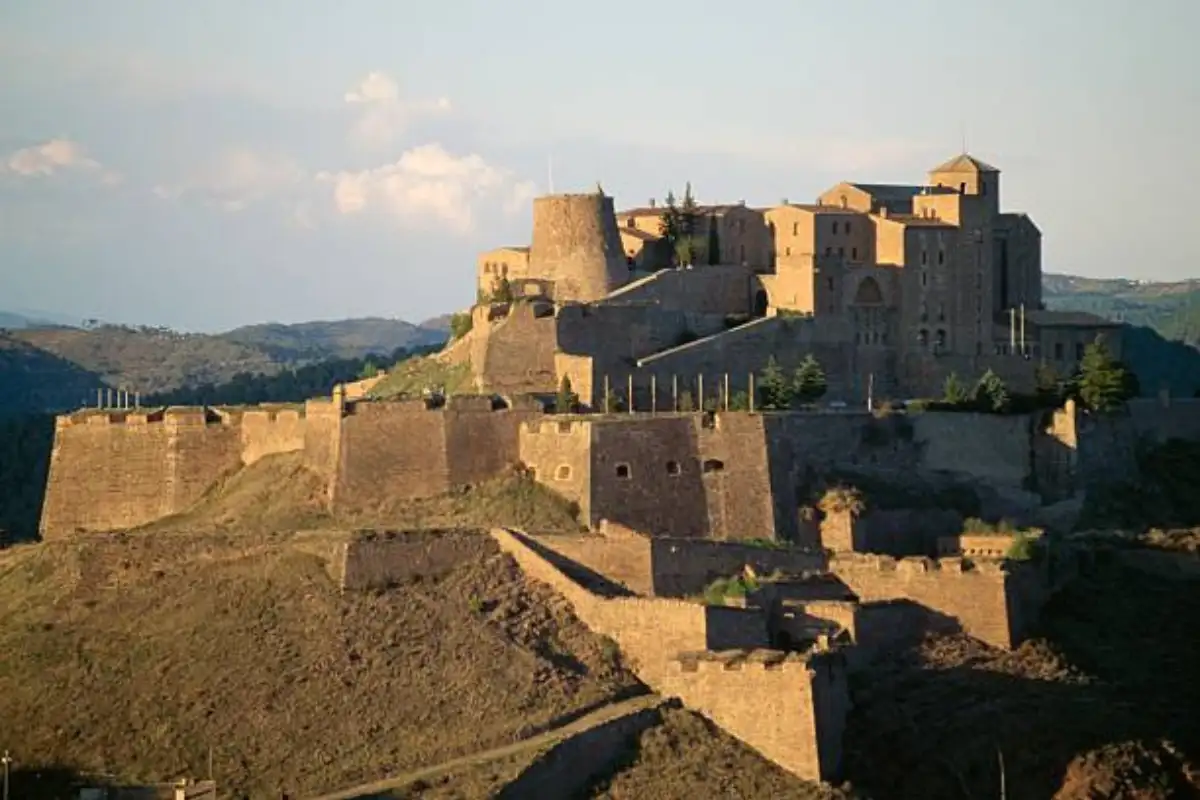
Spain has over 10,000 castles. Some are crumbling ruins, some look straight out of a storybook, and you can actually spend the night in quite a few of them. Many of these ancient fortresses have been turned into hotels, mixing centuries of history with modern comfort.
Imagine waking up inside thick stone walls, stepping onto a terrace where knights once stood guard, and soaking in the same views they did. Except now there's a great breakfast waiting downstairs.
Parador de Cardona in Catalonia is built around a 9th-century fortress overlooking the town below. Castillo de Buen Amor near Salamanca is a 15th-century castle surrounded by its own vineyards. Both offer the full medieval experience with proper beds and hot water.
Cave Houses in Andalusia
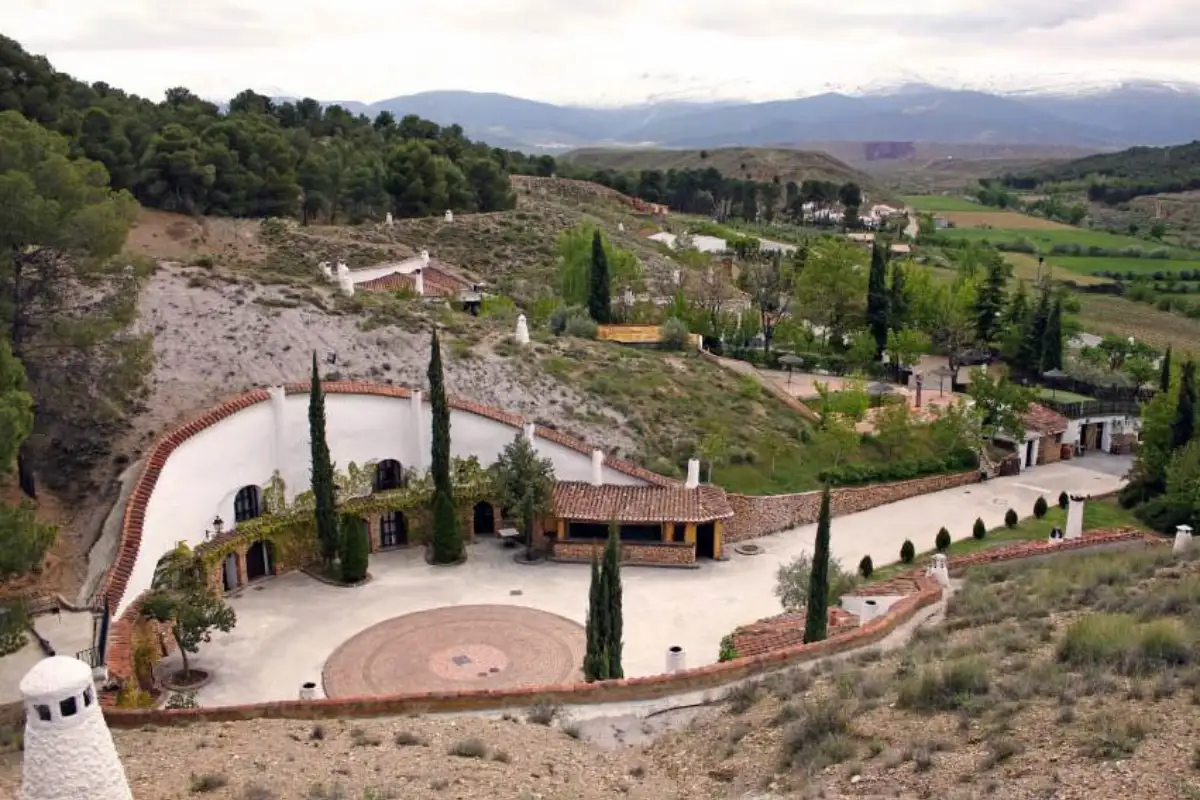
Long before social media made them look trendy, people in Andalusia were already living in cave houses. Carved straight into mountainsides, these homes stay cool in summer and warm in winter without any air conditioning. The thick rock walls act as natural insulation, keeping temperatures stable even when it hits 40 degrees outside.
Once inhabited by the Roma community, many of these cave dwellings have been lovingly restored and rented to travellers. You'll find them mainly in Granada's Sacromonte neighbourhood, just a short walk from the Alhambra, and in Guadix, where over 2,000 cave homes make up an entire town.
Cuevas del Tio Tobas near Granada offers a traditional cave experience close to the city. Guadix Cave Houses give you a full neighbourhood of underground living. Casa Cueva el Mirador de Galera is family-run with stunning mountain views, and Cuevas Helena blends modern luxury with traditional cave architecture.
For something more upscale, Cueva del Fraile near Cuenca and Hotel Cuevas de la Sombra in Granada add five-star amenities to the cave experience. The walls are still carved from rock, but everything else is polished.
What Are Paradores in Spain?
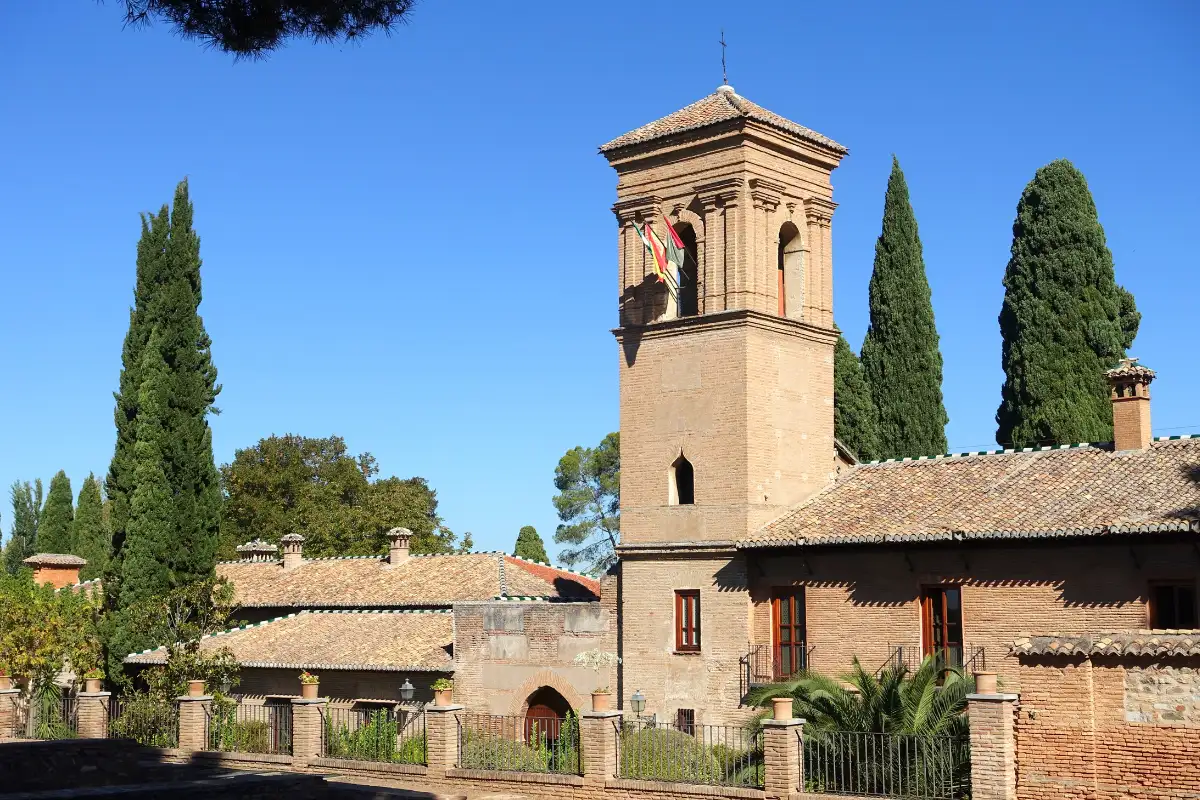
Paradores are a network of around 90 state-run luxury hotels set inside historic buildings. Castles, monasteries, palaces, and convents that have been converted into places where you can sleep surrounded by centuries of history.
The first Parador was built in 1926, the idea of King Alfonso XIII, who wanted tourism to help preserve Spain's national heritage. Today they're found all over the country, and they're one of the most distinctive ways to experience Spain.
Parador de Granada sits inside the Alhambra grounds, one of the most famous hotels in all of Spain. Parador de Santiago de Compostela was a pilgrim hostel turned luxury hotel. Parador de Alarcon near Cuenca is an 8th-century fortress with just 14 rooms. Parador de Lerma in Burgos is a 17th-century ducal palace where Napoleon once stayed.
Prices typically start around 100 euros per night. For the best deals, check the Parador website directly for their "Escapada" packages, which offer discounts of up to 35%.
Lighthouses on the Coast
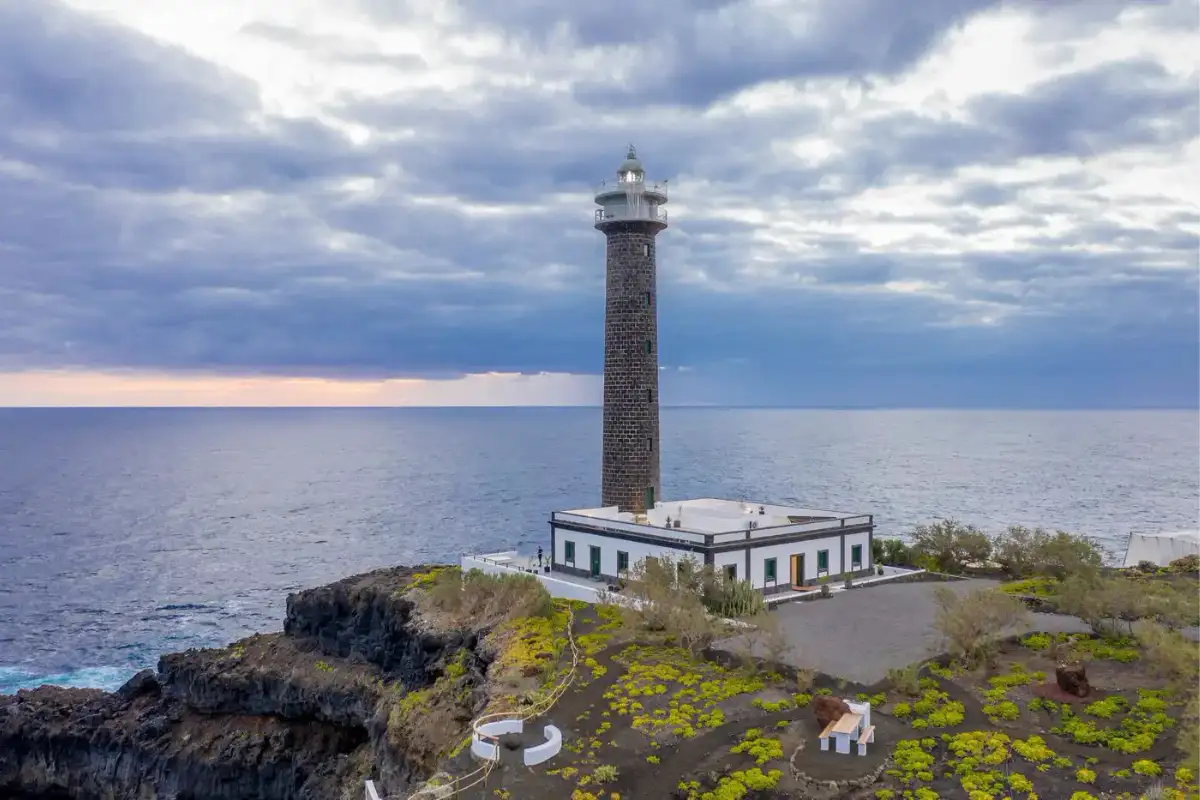
Spain's rugged coastline is home to a collection of lighthouses that have been transformed into places to stay. There's something special about sleeping with the sound of the ocean and the vast sea at your doorstep.
Faro de Punta Cumplida on La Palma in the Canary Islands is one of the most dramatic. It's been renovated into a luxury stay perched on volcanic rock with views of the Atlantic. Faro Isla Pancha on the Galician coast offers a more remote experience, sitting on a tiny island connected to the mainland by a bridge. Expect prices from around 80 to 150 euros per night.
Lighthouse stays tend to suit couples looking for romance and isolation. They're not the best pick for families with young children.
Architectural Marvels You Can Sleep In
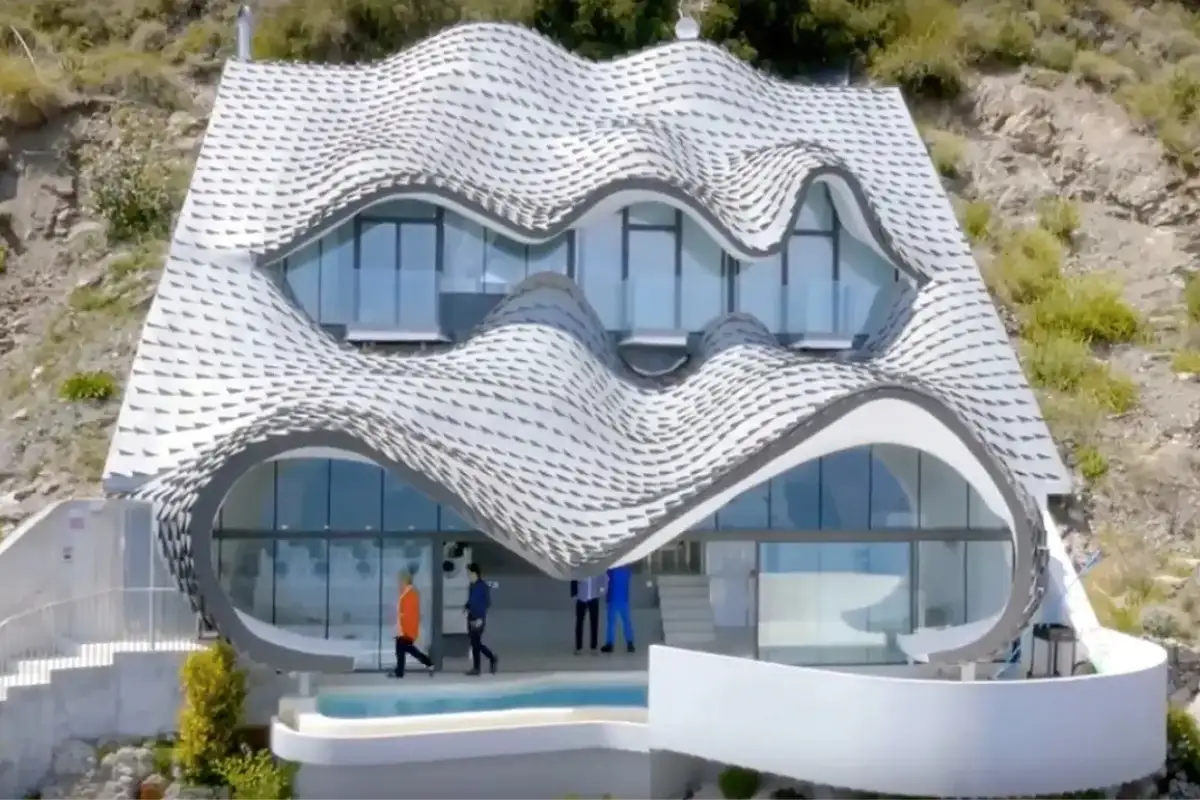
Spain's contemporary architecture scene is bold, and some of the most striking buildings have been turned into hotels.
Casa del Acantilado near Nerja is known locally as the Dragon House. It clings to the cliff face overlooking the Mediterranean, and the design is unlike anything else on the coast.
Hotel Marques de Riscal in Elciego, La Rioja, was designed by Frank Gehry. The building looks like ribbons of titanium draped over a wine estate. It's a destination in itself.
Hotel Puerta America in Madrid went further. Each floor was designed by a different world-renowned architect, so moving between floors feels like visiting different hotels entirely.
Treehouses in Northern Spain
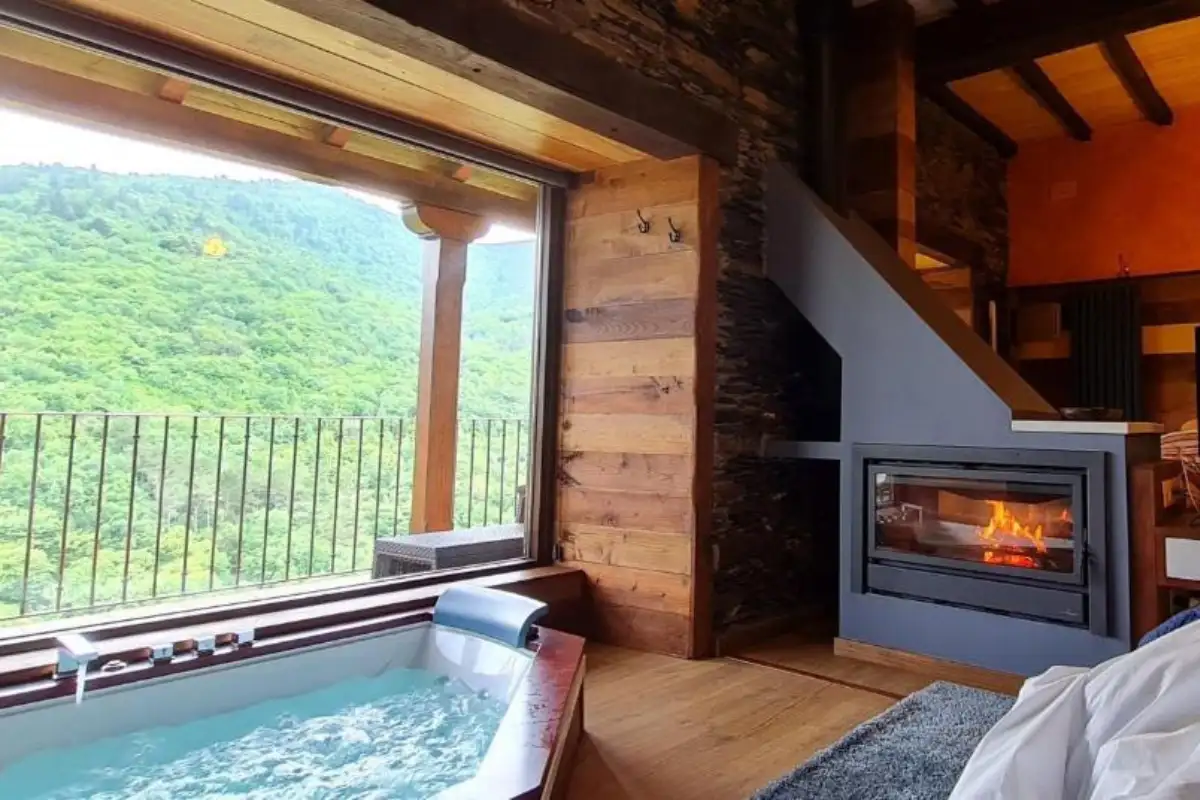
If you want to wake up surrounded by birdsong and swaying branches, Spain has treehouses tucked into forests across the north.
Cabanas en Los Arboles in the Basque Country has enchanting log cabins raised into the canopy. La Casa del Arbol in Navarra is another excellent option, designed for couples seeking a nature escape. Eco-Resort Bosque de las Vinas in Castilla-La Mancha sits among vineyards rather than forests, offering a different flavour of elevated living.
Prices start from around 70 euros per night. Most treehouses are designed for two people, so check availability if you're travelling as a family.
Windmills in La Mancha
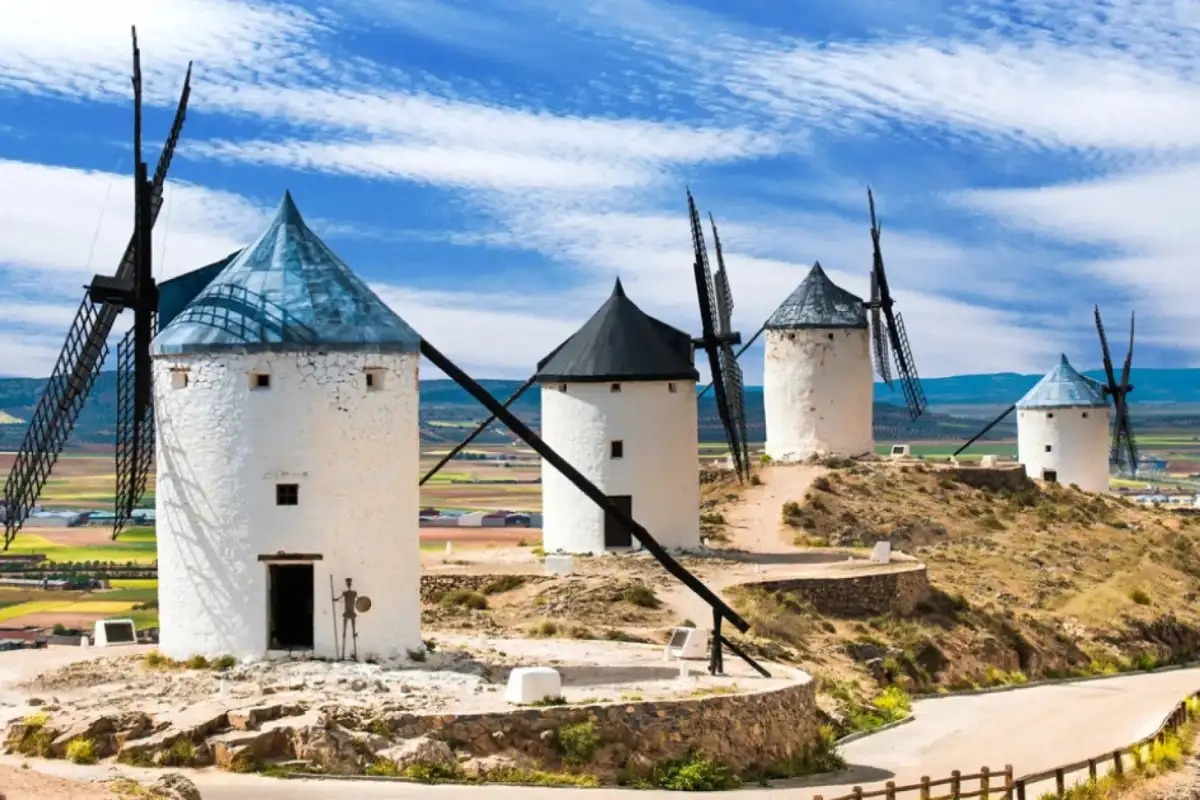
Spain's windmills are iconic, especially in La Mancha, the land of Don Quixote. Several have been reimagined as unique places to stay.
Molino de Alocen in Guadalajara sits by a reservoir with views of the surrounding countryside. La Casa del Molino in Castilla-La Mancha keeps the original structure intact while adding modern comforts inside. Sleeping inside a cylindrical stone tower is an experience in itself, and the views from the upper levels are worth waking up early for.
Luxury Yurts and Glamping
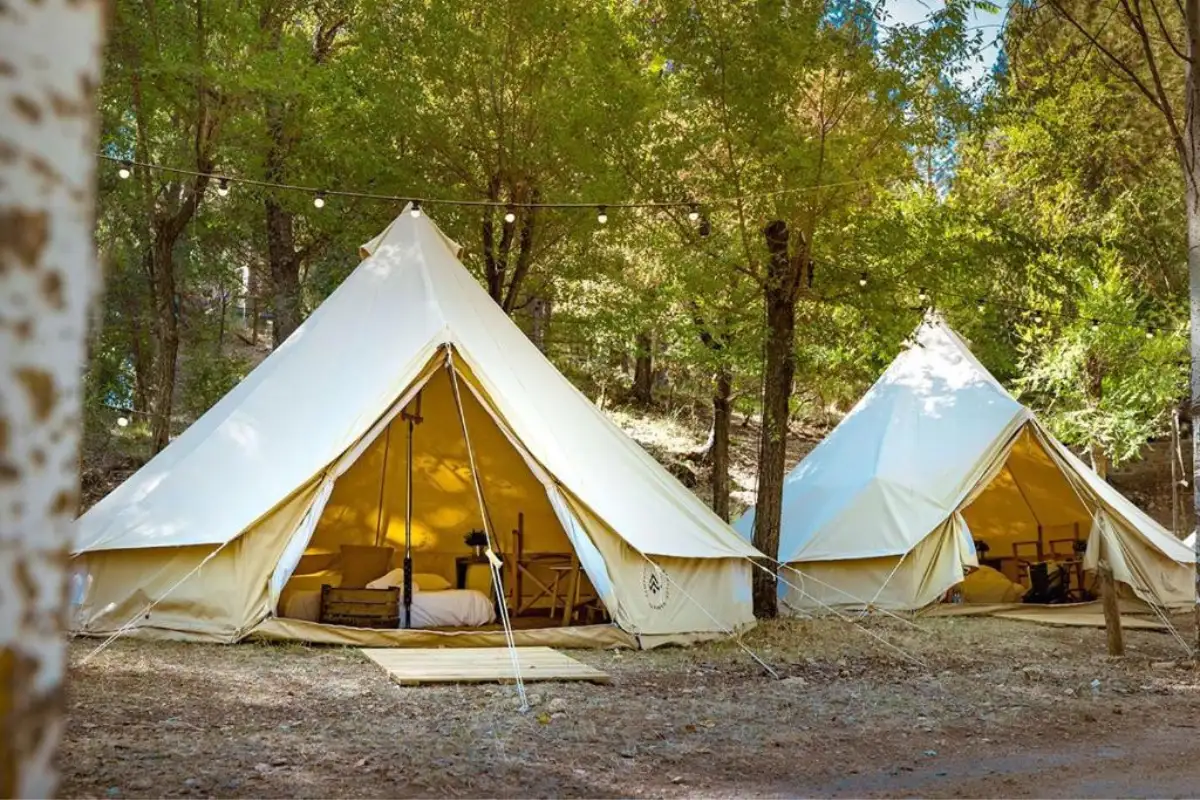
Spain has embraced glamping with luxury yurts set in some of the country's most scenic locations. These Mongolian-inspired tents combine the charm of camping with proper beds, electricity, and sometimes even hot tubs.
Yurta Sierras de Cazorla in Jaen sits in one of Spain's largest natural parks, surrounded by pine forests and deer. Eco Yurts in Catalonia offers a back-to-nature experience with modern comforts. Expect to pay from 60 to 200 euros per night depending on the level of luxury.
Stargazing Stays
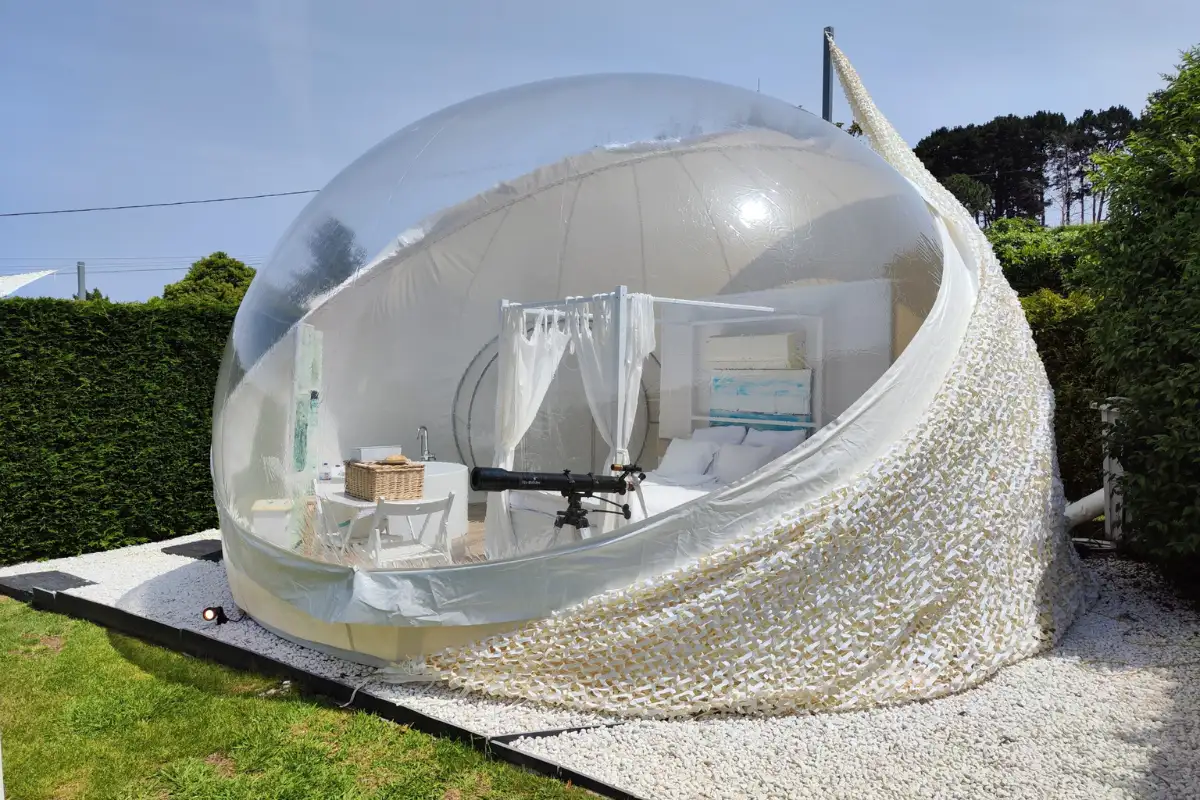
If you're a stargazer, several Spanish accommodations are designed around dark skies and open ceilings. Spain has some of the best stargazing conditions in Europe, particularly in rural Castilla y Leon and the Canary Islands.
Starlight Glamping in Galicia puts you under transparent domes with uninterrupted views of the night sky. Albergue de Astronomia in Castilla y Leon is built specifically for stargazers, with telescopes available and minimal light pollution for miles.
Are Unusual Stays in Spain Suitable for Families?
Many of them are, especially the larger cave houses and some paradores that offer family rooms. Glamping sites and yurts often have family-friendly setups too.
Lighthouses and treehouses tend to suit couples more than families. They're often small, perched in exposed locations, and designed for two. Always check with the property about child-friendliness before booking.
For family trips, cave houses in Granada or Guadix are a great bet. Kids love the novelty, and the larger properties have multiple bedrooms with outdoor space.
When Should You Book Unusual Accommodation in Spain?
Book 2 to 3 months ahead for peak seasons: Easter, summer holidays, and Christmas. Popular paradores and cave hotels fill up quickly, especially on weekends.
For the best availability and prices, visit in shoulder season. April to May and September to October offer warm weather, fewer crowds, and lower rates. Some paradores drop their prices significantly in these months.
The most popular unique stays, like Parador de Granada and the Gehry-designed hotel in La Rioja, need even more lead time. Three to four months ahead is safer for those.
Final Thoughts
Spain has no shortage of places to sleep that double as experiences. From ancient caves and medieval castles to modernist masterpieces and clifftop lighthouses, the accommodation can be just as memorable as the sights.
If you're planning a trip, we've put together guides to things to do in Malaga, Seville, Granada, and Cordoba to help fill your days between stays. And if budget matters, our guide to the cheapest cities to visit in Spain is a good starting point.

Hola! I'm the researcher, walker, and co-founder behind Spain on Foot. I help travellers experience Spain authentically, through in-depth guides, locals-only knowledge, and cultural stories you won't find in guidebooks. You can reach me at heidi@spainonfoot.com