travel
How to Find Cheap Accommodation in Spain: 13 Budget-Friendly Tips (2026)
This post may contain affiliate links, which means I earn a small commission, at no extra cost to you. It helps keep the blog alive, and we really appreciate your support!

Spain doesn't have to cost a fortune if you know where to look.
Spain can be cheap on so many levels.
Food, culture, beaches, nightlife.
But accommodation costs can creep up quickly.
Between flights, meals, entry fees, and souvenirs, your budget disappears faster than you'd think.
The upside? You don't need to spend big to sleep well. Spain is full of affordable places that still feel like a treat.
This is especially true if you pick one of the more budget-friendly cities in Spain.
In cities, hostels and guesthouses often have private rooms at great rates. Along the coast, pensiones and seaside apartments offer value without the premium price.
In the countryside, rural B&Bs and farm stays give you space to breathe and room to save.
No matter where you're headed, there's a comfortable option that won't empty your wallet.
Compare hotel prices in Spain
Find the best deal across booking sites
Is Spain Cheap for Accommodation?
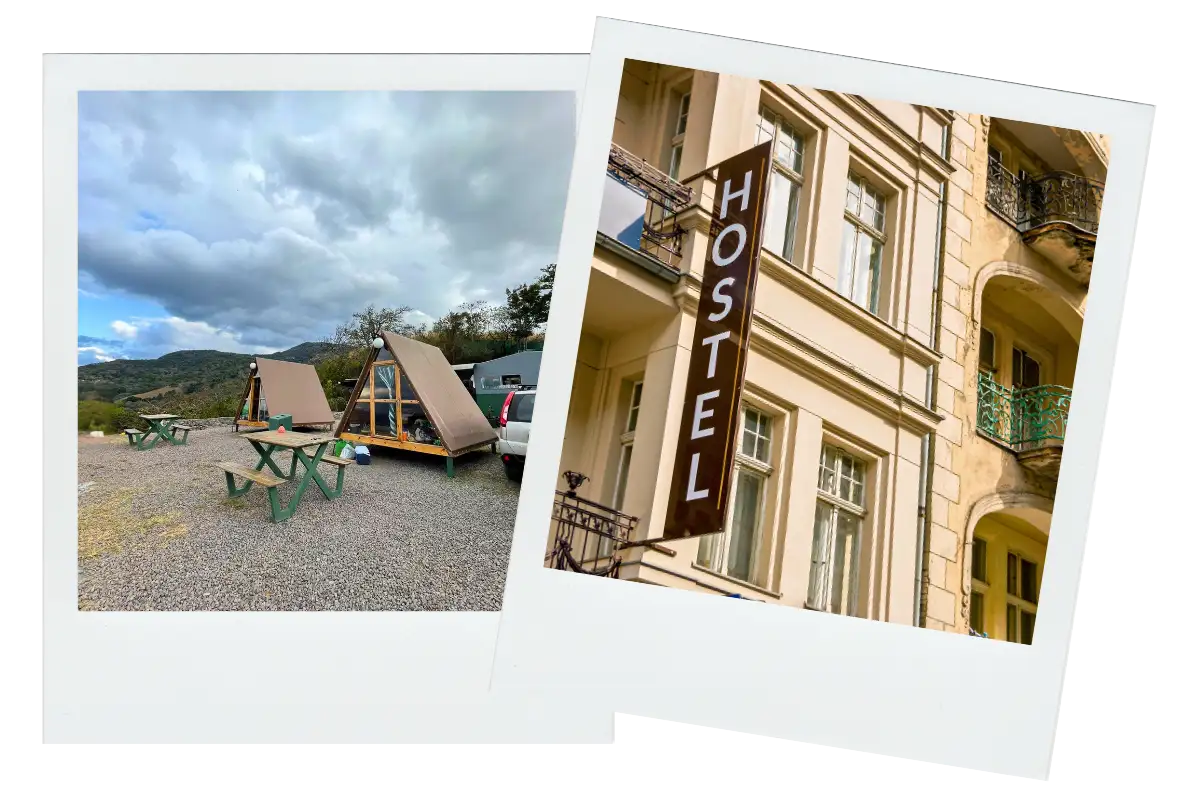
Compared to France, Italy, or the UK, Spain is still one of the most affordable countries in Western Europe for accommodation. Dorm beds in hostels start around €15 per night. A decent private room in a guesthouse or hostal costs €30 to €50.
Mid-range hotels sit around €70 to €130, depending on the city and season. The gap between budget and mid-range is smaller than you'd expect, especially outside peak summer.
The real savings come from timing and location. Visit in January or November and you'll pay roughly half what you would in August. Stay outside the city centre, and prices drop further. Granada is consistently the cheapest major city for accommodation, with budget hotels starting from around €30 per night.
Cheapest Places to Stay in Spain: Beyond Hotels
Sure, hotels are convenient, but they're often the priciest option in Spain. If you're looking for cheap accommodation in Spain, these alternatives offer better value without sacrificing comfort.
-
Hostels: These aren't just for gap-year backpackers anymore. Many hostels in Spain offer private rooms that rival hotel comfort but at a fraction of the price. You get the chance to meet fellow travellers, and some even throw in a free breakfast.
-
Guesthouses and pensiones: Spain is dotted with family-run guesthouses that give you a homey vibe at a lower cost. Some are basic, but others feel almost boutique, minus the hefty price tag.
-
Short-term rentals: Platforms like Airbnb and Vrbo can be great options for budget stays, especially if you're travelling with friends or planning a longer visit. Having a kitchen is a bonus, as you can save by cooking a few meals yourself.
-
Student housing: Not many people think of this one. University residences often rent out rooms to travellers outside of term time. It's basic but clean, safe, and affordable. Search for "residencia universitaria" in the city you're visiting.
-
Camping or glamping: Camping in Spain can be affordable and fun. Many campsites along the coast or in the countryside offer basic to more luxurious amenities. Glamping has become popular in recent years, giving you the charm of the outdoors without sacrificing comfort. Many glamping sites sit in stunning locations near nature reserves or beaches.
What Is the Difference Between a Hostal and a Hostel in Spain?
This catches a lot of travellers off guard. In Spain, a hostal (sometimes written as "pensión") is a small, family-run guesthouse with private rooms. Think of it as a budget hotel, often with an ensuite bathroom, clean sheets, and sometimes breakfast included. They carry 1 or 2 stars because of fewer amenities, not because of poor quality.
A hostel, on the other hand, is the backpacker-style setup with shared dorms and communal kitchens. Both are excellent budget options, but they're very different experiences.
Hostales are everywhere in Spain, especially in smaller towns where chain hotels don't exist. They're often the best value for couples or solo travellers who want privacy without paying hotel prices. Expect to pay €25 to €50 per night.
Check Out Local Booking Sites
The big-name booking platforms are handy, but they don't always have the best prices.
Spanish-specific sites like Ruralka, Stay Unique, Spotahome, and Only-Apartments often feature lower rates on apartments, rural homes, and long-term stays.
Plus, booking directly through a hotel's website can sometimes snag you a better deal.
Stay Just Outside the City
If waking up in the heart of Madrid or Barcelona isn't a must, look at nearby towns or suburbs.
Spain's public transport system is top-notch, and a short train ride can save you a lot on accommodation.
Check out places like Getafe near Madrid, Badalona close to Barcelona, or Dos Hermanas outside Seville. You'll still be near the action, just without the sky-high prices.
House Sitting and Work Exchanges
If you're open to watering a few plants or feeding a cat, house-sitting is a great way to stay for free.
Platforms like TrustedHousesitters connect travellers with locals looking for someone to watch their home.
Another option is work exchanges. Websites like Workaway and HelpX let you swap a few hours of work for room and board, from teaching English to helping out on a vineyard.
Travel Off-Season
This is probably the single biggest money saver. Prices in Spain can double or triple during peak season, especially along the coast.
Cheapest months: January and November offer the lowest hotel prices, averaging around €112 per night.
Best value months: Spring (March to May) and autumn (September to October) give you great weather, fewer crowds, and prices 30 to 50% lower than summer.
Avoid: August is the most expensive month, especially in coastal cities and islands. Prices can triple compared to winter rates.
If you can swing it, visit in spring or autumn. You'll get better deals, fewer crowds, and weather that's still perfect for exploring. See our guide on the best time to visit Spain for more details.
Pick Up the Phone and Haggle
Not everything needs to be booked online.
Smaller guesthouses and family-run hotels sometimes offer discounts if you call or email them directly.
A little Spanish helps, but even a "Hay algun descuento por reservar directamente?" (Is there a discount for booking directly?) could save you some cash.
Consider Rural Tourism

If you're craving peace and quiet, rural tourism in Spain is a great budget-friendly choice.
Many rural towns and small villages offer charming stays in old farmhouses or cottages, often for a fraction of the price of city hotels. These places are perfect for relaxing or exploring the Spanish countryside.
If you want something more unusual, we've written a guide to unique places to stay in Spain that covers treehouses, cave hotels, and converted mills.
Consider Paradores for Off-Season Deals
Spain's paradores are government-run hotels in historic buildings, including castles, monasteries, and palaces. They sound expensive, but off-season rates can start as low as €70 per night.
Paradores also run regular promotions, including discounts for stays of two nights or more and reduced rates for travellers over 55. The parador in Jaen sits inside a 13th-century Moorish castle and regularly drops below €100 per night in winter.
It's not rock-bottom budget, but it's surprisingly good value for what you get.
Check Out Local Host Families
In some regions of Spain, you can stay with local host families for a more authentic experience. Platforms like Homestay offer travellers the chance to live with locals, enjoy home-cooked meals, and get a glimpse of life in Spain. It's not only affordable but also a way to immerse yourself in the culture.
Book Last-Minute Deals
If your travel dates are flexible, you can find great deals by waiting until the last minute.
Apps like HotelTonight or Lastminute.com offer discounted rates on unsold rooms, sometimes up to 70% off. Just keep an eye on the dates and be ready to act fast when a deal pops up.
Look for Volunteer Stays
If you don't mind lending a hand, some farms, hostels, and even local organisations in Spain offer free accommodation in exchange for a few hours of work.
It could be anything from helping on a farm to assisting with a local event.
Websites like WWOOF (World Wide Opportunities on Organic Farms) can connect you with opportunities across Spain.
Explore the Lesser-Known Islands
While the Balearic Islands (like Mallorca and Ibiza) are known for being pricey, there are smaller, less touristy islands that offer cheaper accommodation options.
Consider places like Menorca or Formentera, where you can still enjoy beautiful beaches and charming towns without the heavy price tag of more famous spots.
Stay in a Converted Boat
Especially in coastal cities like Barcelona, Valencia, or Cadiz, you can find a quirky and affordable stay in a converted boat or floating house.
These can offer the same comfort as an apartment but with a unique twist, and often at a lower cost than waterfront hotels.
It's a great way to be close to the sea without the premium price.
Cheapest Cities in Spain for Accommodation
Based on average hotel prices, here are the most budget-friendly cities:
Most affordable:
- Granada: The cheapest city for accommodation in Spain
- Alicante: Beach city with great budget options
- Zaragoza: Underrated and affordable
- Cordoba: Historic city with low prices
Good value:
- Valencia: Affordable compared to Barcelona and Madrid
- Seville: Reasonable prices with off-season deals
- Malaga: Budget-friendly beach city
More expensive (but still manageable):
- Barcelona: Priciest city, but deals exist in suburbs
- Madrid: Expensive but excellent transport makes suburbs viable
- San Sebastian: Premium prices, especially in summer
How Much Does Accommodation Cost in Spain?
Budget breakdown (per night, 2026 prices):
- Hostels: €15 to €40 (dorm beds: €15 to €25, private rooms: €30 to €40)
- 2-star hotels: From €30
- 3-star hotels: From €34
- 4-star hotels: From €66
- Guesthouses and pensiones: €25 to €50
- Airbnb and apartments: €40 to €80 (better value for groups)
- Rural B&Bs: €35 to €60
Book 86+ days in advance to find rooms as low as €15 per night. Sunday is the cheapest day to check in, while Saturday is the most expensive.
Money-Saving Booking Tips
Book on a Sunday arrival for the cheapest rates. Saturday is the most expensive day.
Planning 86 or more days ahead saves the most, sometimes up to 70%. If you've left it late, apps like HotelTonight offer steep discounts on unsold rooms.
Calling hotels directly can unlock rates not available online, especially at smaller guesthouses and family-run hostales. Spanish booking sites like Ruralka, Spotahome, and Only-Apartments often beat international platforms on price.
Final Thoughts
Finding cheap accommodation in Spain isn't about luck.
It's about knowing where to look and being flexible. Whether staying just outside the city, opting for a hostel with private rooms, or embracing the off-season, there are plenty of ways to save.
The money you save on accommodation? That's more to spend on tapas and wine.
For more money-saving tips, check out our guide on planning the perfect Spanish itinerary. And make sure you don't skip travel insurance for Spain before you go.

Hola! I'm the researcher, walker, and co-founder behind Spain on Foot. I help travellers experience Spain authentically, through in-depth guides, locals-only knowledge, and cultural stories you won't find in guidebooks. You can reach me at heidi@spainonfoot.com