culture
How to Eat Like a Local in Spain: Meal Times, Food Culture, and Traditions
This post may contain affiliate links, which means I earn a small commission, at no extra cost to you. It helps keep the blog alive, and we really appreciate your support!

Spanish mealtimes will surprise you. Lunch at 3pm, dinner at 10pm, and a culture that turns every meal into a social event.
Spanish mealtimes confuse nearly every visitor. You arrive for dinner at 5pm and the restaurant is empty.
You're starving at noon but lunch doesn't exist yet.
You finish eating and try to leave, but everyone else is settling in for another hour of conversation.
We've lived in Spain for years, and adapting to the eating schedule was one of the biggest adjustments.
Now, eating dinner before 9pm feels strange. Going back to rushed meals feels wrong. The Spanish approach to food isn't just about timing, it's an entirely different relationship with eating.
This guide explains exactly when and what Spaniards eat, so you can enjoy meals the way locals do.
Spanish Meal Times at a Glance
| Meal | Spanish Name | Time | What to Expect |
|---|---|---|---|
| First breakfast | Desayuno | 7-9am | Coffee and something small |
| Second breakfast | Almuerzo | 10-11:30am | More substantial snack |
| Lunch | La comida | 2-4pm | Main meal of the day |
| Afternoon snack | La merienda | 5-6:30pm | Bridge to late dinner |
| Dinner | La cena | 9-11pm | Lighter meal, social event |
Most restaurants don't open for lunch before 1:30pm or for dinner before 8:30pm. Many won't even have staff setting tables until these times. Plan accordingly.
Breakfast in Spain (Desayuno), 7 to 9am
Forget the full English breakfast or American pancake stacks. Spanish breakfast is light, quick, and often eaten standing at a bar counter.
| Food | Description |
|---|---|
| Cafe con leche | Strong coffee with hot milk (the default order) |
| Tostada con tomate | Toasted bread rubbed with fresh tomato and olive oil |
| Tostada con aceite | Toast drizzled with olive oil, sometimes with salt |
| Churros con chocolate | Fried dough sticks dipped in thick hot chocolate |
| Magdalenas | Small sponge cakes, often eaten with coffee |
| Galletas | Cookies, surprisingly common for breakfast |
Many Spaniards skip this first breakfast entirely or just grab a quick coffee. The real eating comes later.
If you're in Malaga, head to Casa Aranda for churros or any neighbourhood bar for a tostada con tomate. It's the most Andalusian way to start the day.
Mid-Morning Snack (Almuerzo), 10 to 11:30am
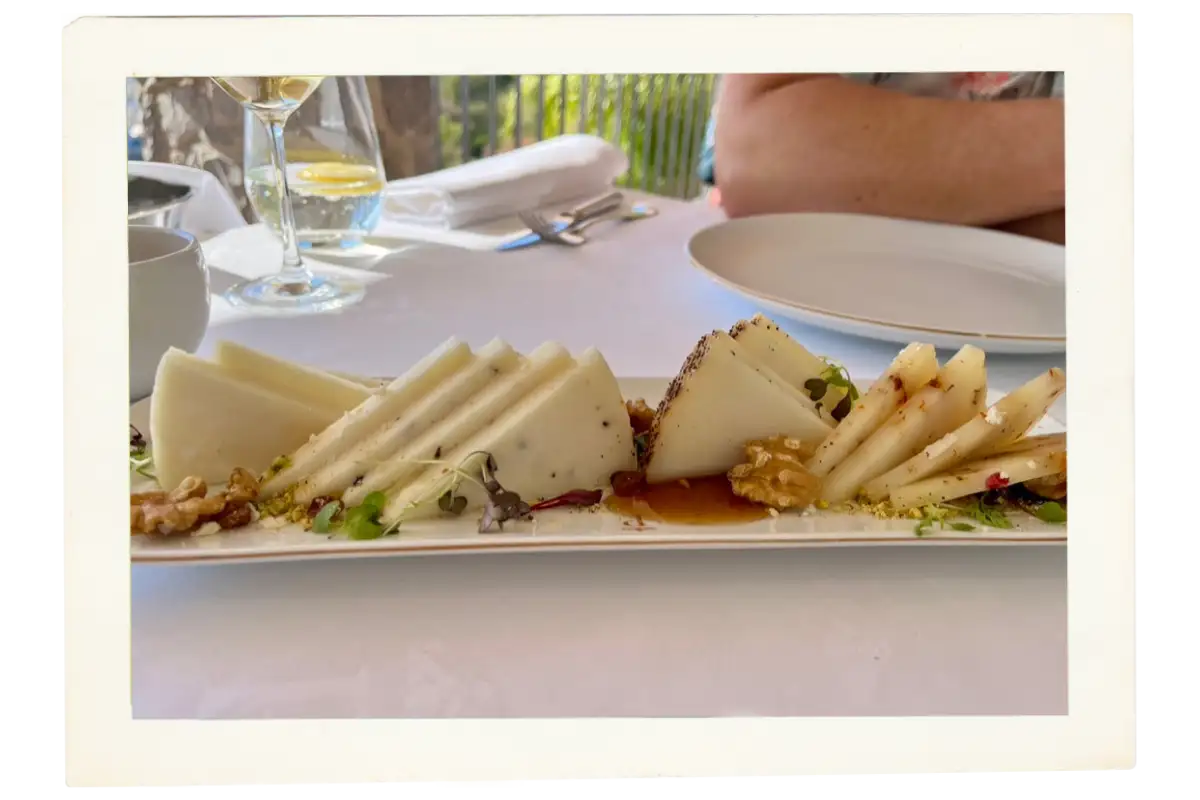
Here's where Spanish eating culture starts to make sense.
With lunch not happening until 2pm or later, you need something to bridge the gap. Enter almuerzo, the "second breakfast."
Popular almuerzo choices include a bocadillo (crusty bread sandwich with jamon, tortilla, or calamares), a pincho de tortilla (slice of Spanish potato omelette), a montadito (small open sandwich on toasted bread), or a croissant with another coffee.
This isn't optional for most workers.
Around 10:30am, you'll see people streaming into cafes and bars for their almuerzo break. It's a legitimate part of the working day.
On Sundays, the late morning becomes aperitivo time. From 11:30am onwards, bars fill with people enjoying vermouth (vermu) or beer with small tapas before the big Sunday lunch.
Lunch in Spain (La Comida), 2 to 4pm
This is the most important meal of the day in Spain. Not dinner.
Lunch. Everything else revolves around it.
A traditional Spanish lunch is a multi-course affair:
| Course | Spanish Name | Examples |
|---|---|---|
| First course | Primer plato | Gazpacho, salad, soup, vegetables |
| Second course | Segundo plato | Grilled fish, roasted meat, stew |
| Dessert | Postre | Flan, fruit, pastry, ice cream |
| Coffee | Cafe | Espresso or cafe solo |
| Digestif | Chupito | Orujo, pacharan, or herbal liqueur |
In smaller towns, many businesses still close from 2 to 5pm for the lunch break. Plan your sightseeing and shopping around this schedule, especially in places like Ronda or Baeza where the tradition is still strong.
What Is the Menu del Dia in Spain?
The best way to experience a proper Spanish lunch is through the menu del dia (menu of the day). Nearly every restaurant offers one on weekdays.
You typically get a choice of two or three first courses, two or three second courses, bread, a drink (wine, beer, water, or soft drink), and dessert or coffee. The price is usually €10 to €15.
This is exceptional value. The same meal ordered a la carte would cost double or triple. Locals eat the menu del dia regularly, not just tourists. It's the most affordable way to eat well in Spain, and you'll find it everywhere from Seville to Granada.
When Should You Eat Paella in Spain?
One important rule: paella is a lunch dish.
Spaniards eat paella in the afternoon, traditionally on Sundays with family. Ordering paella at 9pm marks you as a tourist, and you'll likely get a reheated version. If you want authentic paella, eat it at lunch.
Afternoon Snack (La Merienda), 5 to 6:30pm
With dinner not happening until 9pm or later, you need something to keep you going. La merienda fills that gap.
Popular merienda options include churros con chocolate (especially at traditional chocolate shops), bizcocho (olive oil cake or sponge cake), a small sandwich or bocadillo, fruit or yogurt, or coffee and pastry.
Children have merienda after school, but adults participate too. It's a perfectly normal reason to stop at a cafe around 5pm.
Dinner in Spain (La Cena), 9 to 11pm
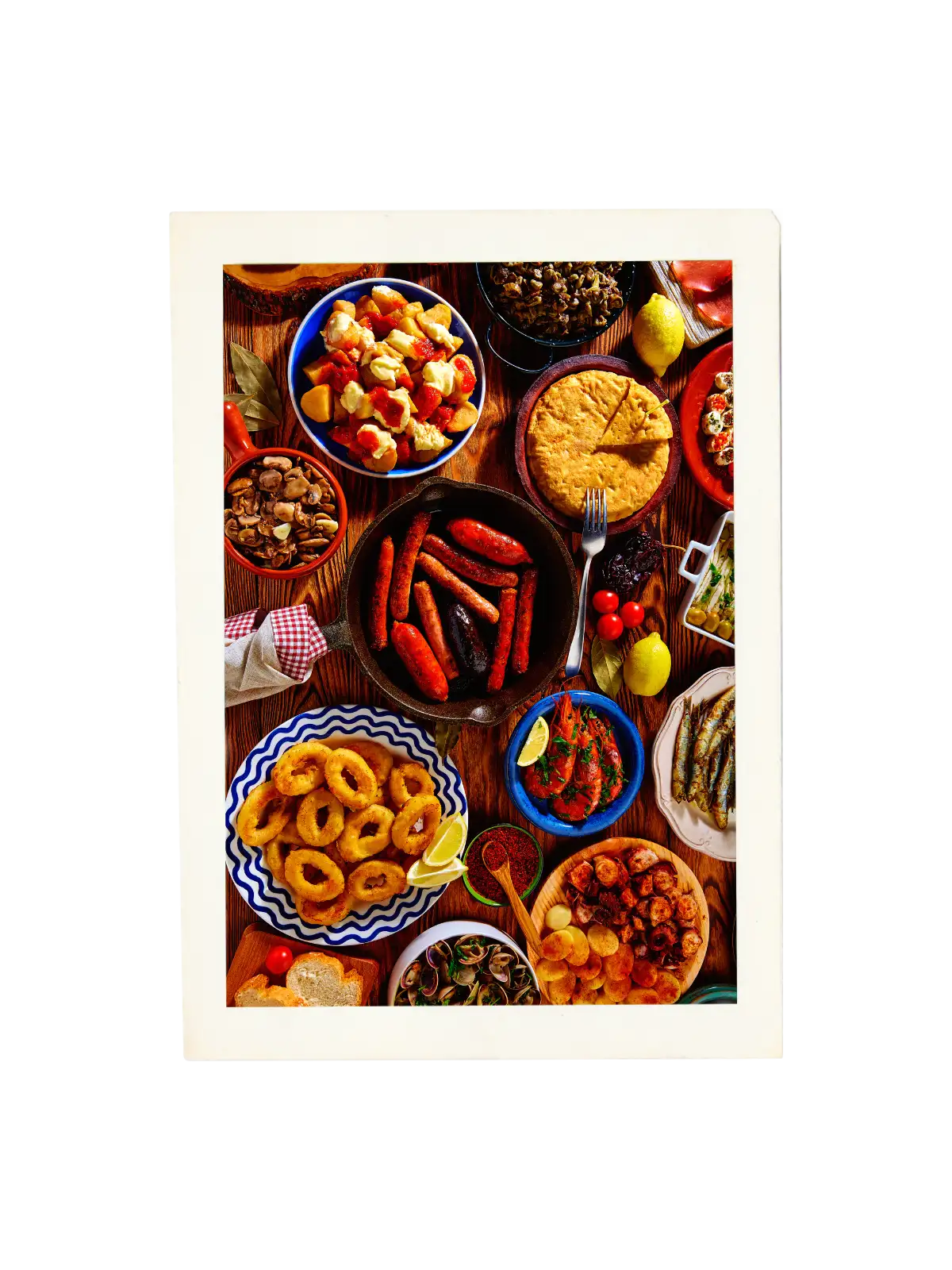
Spanish dinner is later than anywhere else in Europe.
If you sit down at 7pm, you'll be alone. Most Spaniards don't eat dinner before 9pm, and on weekends or in summer, 10pm or later is normal.
The good news: dinner is typically lighter than lunch.
| Type | Examples |
|---|---|
| Tapas | Small plates to share, the most social option |
| Raciones | Larger portions of tapas, meant for groups |
| Tortilla espanola | Potato omelette, often served at room temperature |
| Ensalada | Salad, sometimes a meal in itself |
| Grilled fish or meat | Lighter preparations than lunch |
| Montaditos or bocadillos | Small sandwiches |
How to Eat Tapas Like a Local
Eating tapas is an art. Here's how locals do it:
- Stay standing at the bar, not a table (unless you're having a full meal)
- Order one or two dishes at a time, not everything at once
- Share everything, tapas are communal
- Move around, it's normal to have one tapa at one bar, then move to another
- Talk to the staff and ask what's fresh or recommended
In some regions, especially Andalusia, you get a free tapa with every drink ordered. The tradition is strongest in Granada, where you can eat a full meal just by ordering a few rounds of drinks.
For a deeper dive into tapas, check out our guide to the best tapas bars in Malaga.
How to Order Food in a Spanish Restaurant
Dining etiquette in Spain is relaxed, but knowing the unwritten rules helps you blend in.
The waiter won't hover. In Spain, a good server leaves you alone until you call them over. When you want to order or get the bill, make eye contact or say "perdona" (excuse me). To ask for the bill, make a writing motion in the air or say "la cuenta, por favor."
Your bill won't come until you ask. This is connected to sobremesa culture, the expectation is that you'll stay as long as you like. Nobody is rushing you out.
Keep your hands on the table, not on your lap. Bread is for mopping up sauces, not a starter. And if you're at a tapas bar, don't sit at a table unless you plan to order a full meal. Standing at the bar is cheaper and more social.
Water is not free by default. You'll need to order agua (bottled water). Tap water (agua del grifo) is drinkable in most cities but some restaurants won't serve it.
Sobremesa: The Art of Lingering
One Spanish tradition that catches visitors off guard is sobremesa, literally meaning "over the table." It's the time spent at the table after eating, chatting, drinking coffee, and enjoying each other's company.
Sobremesa can last anywhere from 30 minutes to several hours.
There's no rush to leave. The waiter won't bring your bill until you ask. Trying to leave immediately after eating feels almost rude.
This is perhaps the biggest difference between Spanish and other eating cultures.
Meals aren't fuel. They're social events. The eating is just the beginning.
Why Do Spaniards Eat So Late?
Visitors always ask this question. The answer is partly historical, partly practical.
Spain is in the wrong time zone. Geographically, Spain should be on the same time as the UK and Portugal (GMT). But in 1940, Franco changed Spanish clocks to align with Nazi Germany (CET), and they never changed back. So when Spanish clocks say 2pm, the sun says 1pm. Spaniards still eat "at 1pm" by the sun, it just reads as 2pm on the clock.
The climate plays a role too. In summer, the midday heat makes an extended lunch break and late dinner more practical. Why eat at 7pm when it's still 35C outside?
And the culture reinforces it. Meals are social events. Evening activities, family time, and socialising happen later. Dinner at 10pm fits a lifestyle where people don't go to bed until midnight or later.
Tipping in Spanish Restaurants
Tipping culture in Spain is very different from the US or UK.
| Situation | Expected Tip |
|---|---|
| Casual bar or cafe | Nothing, or round up to the nearest euro |
| Sit-down restaurant | 5-10% for good service, not obligatory |
| Tapas bar | Leave small change if standing |
| Exceptional service | 10% is generous |
Spanish servers earn a livable wage without tips. Leaving 20% would be unusual and unnecessary. Rounding up or leaving a euro or two is appreciated but not expected.
For a full breakdown, read our tipping in Spain guide.
Regional Food Specialties Across Spain
Spain's cuisine varies dramatically by region. Here's what to try where:
| Region | Must-Try Dishes |
|---|---|
| Basque Country | Pintxos, bacalao al pil-pil, txuleton steak |
| Catalonia | Pa amb tomaquet, escalivada, fideua |
| Andalusia | Gazpacho, salmorejo, pescaito frito |
| Galicia | Pulpo a la gallega, empanada, percebes |
| Valencia | Paella, horchata, all i pebre |
| Madrid | Cocido madrileno, bocadillo de calamares |
| Asturias | Fabada asturiana, cachopo, sidra |
If you're visiting southern Spain, our guide to traditional food in Malaga covers the local specialities you won't find elsewhere in the country.
What Should You Not Order in Spain?
A few common tourist mistakes will mark you immediately.
Don't order paella for dinner. As mentioned, it's a lunch dish. Restaurants that serve it at night are catering to tourists, and the quality shows.
Don't order sangria in a bar. Locals drink tinto de verano (red wine with lemon soda), which is cheaper, lighter, and what everyone around you is actually drinking. Sangria is a tourist drink in most of Spain. For more on what locals drink, see our guide to Spanish drinks you must try.
Don't ask for modifications. Spanish kitchens aren't set up for custom orders the way restaurants in the US or UK might be. Order what's on the menu, especially the daily specials.
Don't eat at restaurants right on the main square. Walk one or two streets back and the food gets better and cheaper. This applies everywhere from Malaga to Seville.
Tips for Adapting to Spanish Mealtimes
- Have a late breakfast or almuerzo to bridge the gap to 2pm lunch
- Make lunch your main meal and take your time
- Plan for a merienda around 5 to 6pm
- Don't arrive at restaurants before 1:30pm for lunch or 8:30pm for dinner
- Order the menu del dia for lunch to eat well and affordably
- Eat paella for lunch, not dinner
- Embrace sobremesa and don't rush to leave after eating
- Ask for the bill when ready, it won't come automatically
The Rhythm of Spanish Eating
Once you adapt to Spanish mealtimes, something shifts.
Meals become events rather than interruptions. You actually taste your food instead of rushing through it. Conversations happen naturally when no one's watching the clock.
We struggled at first, hungry at noon, bewildered by empty restaurants at 7pm.
Now we can't imagine eating any other way. The Spanish approach to food isn't just about when you eat, it's about how you live.
Buen provecho.

Hola! I'm the researcher, walker, and co-founder behind Spain on Foot. I help travellers experience Spain authentically, through in-depth guides, locals-only knowledge, and cultural stories you won't find in guidebooks. You can reach me at heidi@spainonfoot.com