festivals
Hogueras de San Juan: Spain's Midsummer Bonfire Festival Guide
This post may contain affiliate links, which means I earn a small commission, at no extra cost to you. It helps keep the blog alive, and we really appreciate your support!

Every June 23rd, Spain lights up with bonfires, fireworks, and beach parties.
Every June, as the summer solstice approaches, Spain lights up with one of its most enchanting celebrations: Hogueras de San Juan.
Bonfires blaze on beaches from the Costa Brava to the Costa del Sol, fireworks fill the sky, and thousands gather to jump over flames and swim in the sea at midnight.
We've celebrated Noche de San Juan on the beaches near Malaga several times now, and it's one of our favourite nights of the year. This guide covers the traditions, the best places to celebrate, and practical tips for experiencing Spain's midsummer magic in 2026.
Compare hotel prices in Alicante
Find the best deal across booking sites
What is Hogueras de San Juan?
Hogueras de San Juan (Bonfires of Saint John) marks the arrival of summer and honours Saint John the Baptist, whose feast day is June 24th.
The festival culminates on the night of June 23rd, known as Noche de San Juan, when the shortest night of the year is illuminated by bonfires, fireworks, and all-night beach parties.
| Aspect | Details |
|---|---|
| Spanish name | Hogueras de San Juan / Noche de San Juan |
| Catalan name | Revetlla de Sant Joan |
| Main night | June 23rd into June 24th |
| Origins | Pagan summer solstice rituals, later blended with Christian traditions |
| Status | Festival of International Tourist Interest (Alicante) |
| Celebrated | Across all of Spain, especially coastal areas |
The tradition dates back to pre-Christian times when fire was used to ward off evil spirits and bring good fortune at the summer solstice.
Over centuries, these pagan customs blended with Christian traditions honouring Saint John the Baptist, creating the celebration we know today. If you're visiting Spain in June, this is the one night you don't want to miss.
San Juan Traditions
The Bonfires (Hogueras)
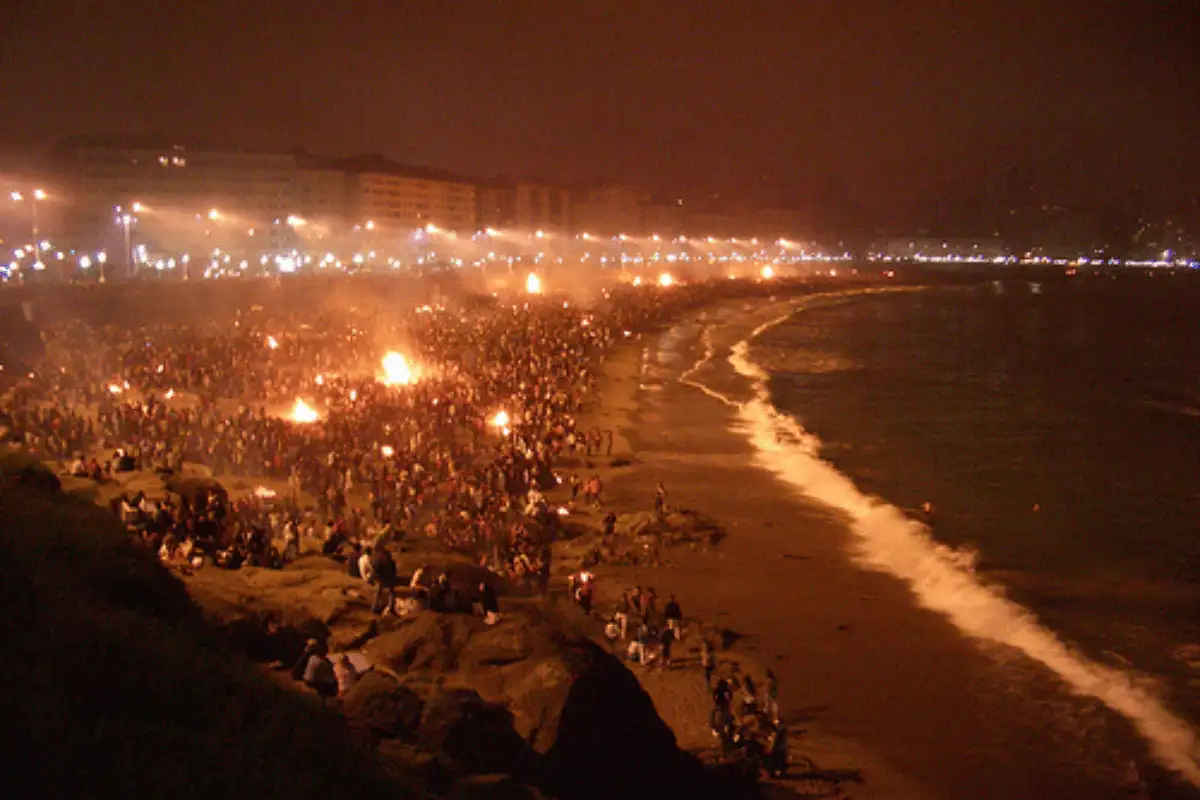
At the heart of the celebration are the hogueras, the bonfires themselves.
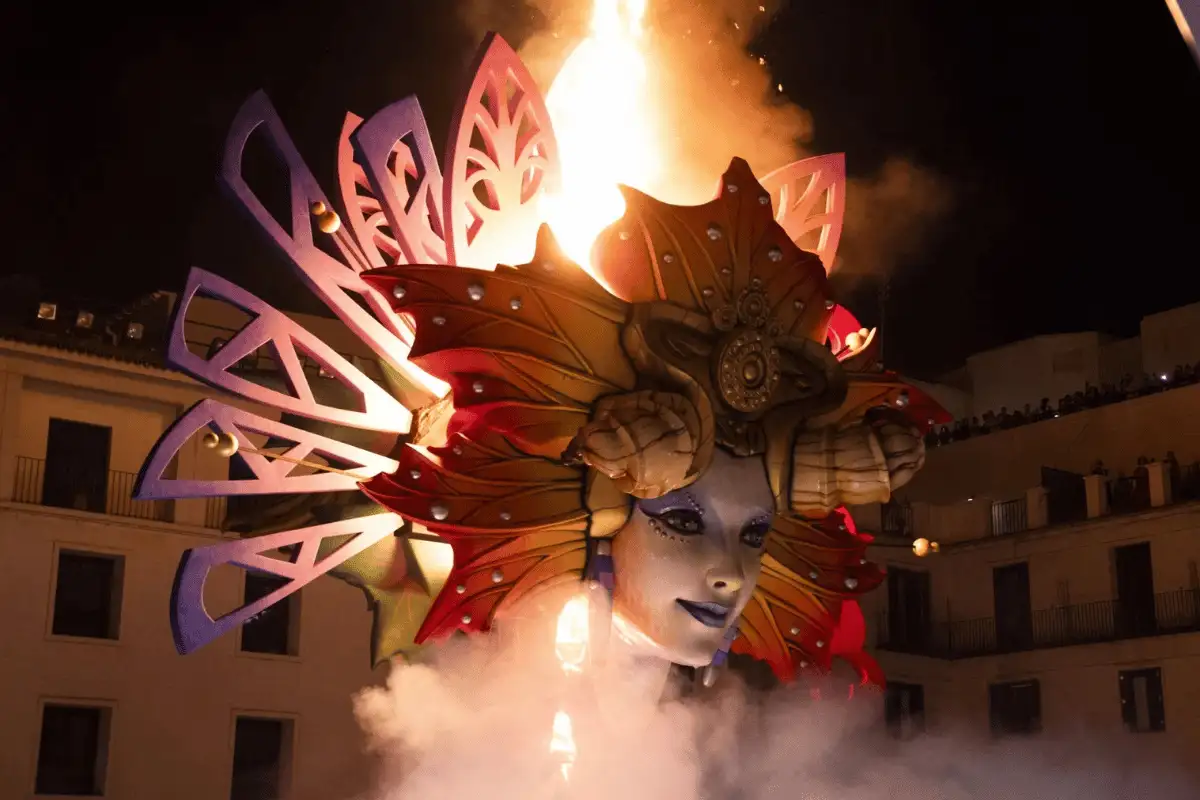
In Alicante, these are elaborate wooden and papier-mache sculptures called ninots that can reach 12 metres in height. After days of public display and judging, the sculptures are ceremonially burned at midnight on June 24th in a dramatic act called La Crema. The burning symbolises renewal, purification, and the release of the old to welcome the new.
On beaches throughout Spain, smaller bonfires are built from wood, old furniture, and anything burnable. Locals write their worries or wishes on paper and throw them into the flames, hoping the fire will transform them.
Fire Jumping
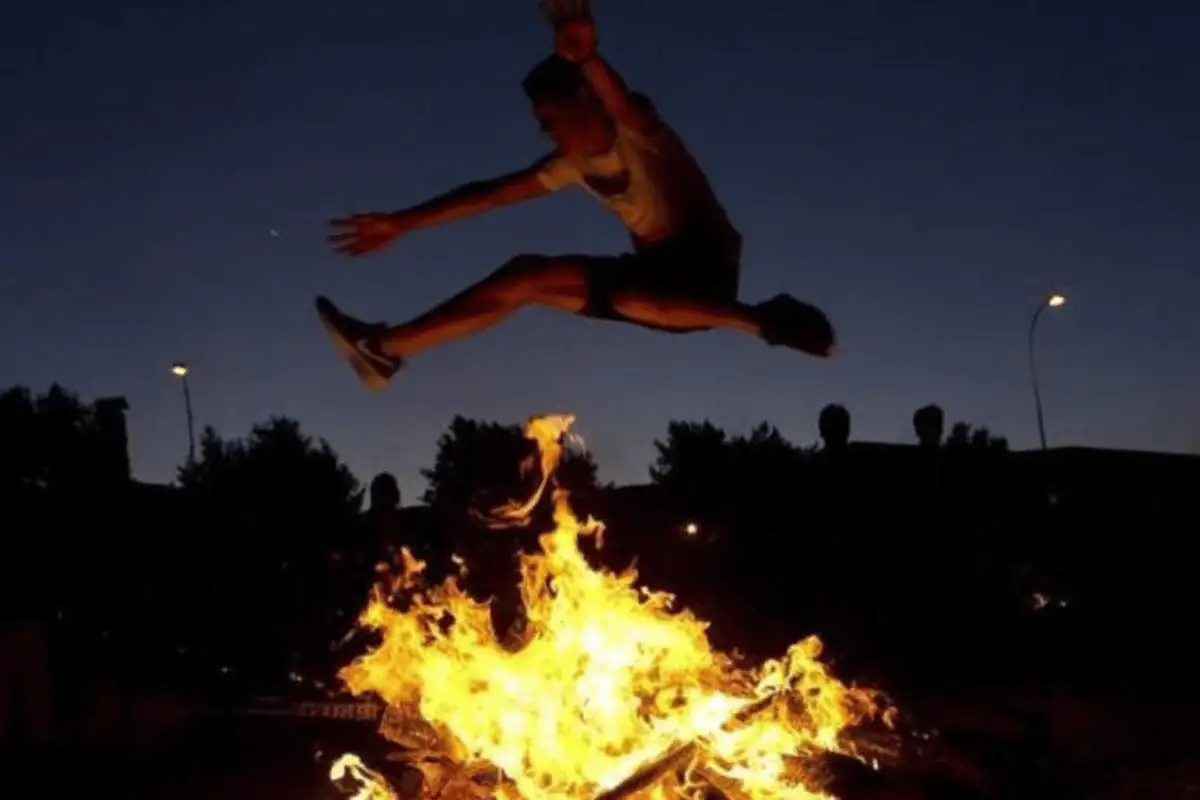
One of the most iconic San Juan traditions is jumping over bonfires.
According to tradition, jumping over a bonfire three times on San Juan night cleanses and purifies you, burning away problems and bringing good luck for the year ahead.
You'll see people of all ages taking running leaps over smaller fires. It's exhilarating, slightly risky, and completely unforgettable. Start with smaller flames and be careful of embers.
Midnight Swimming
In coastal cities, taking a dip in the sea at midnight is a must.
The water is said to have purifying powers on this magical night. Thousands wade into the Mediterranean as the clock strikes twelve, often while fireworks explode overhead. In our experience, the water is warm enough by late June that the midnight plunge is refreshing rather than painful.
Burning Effigies (Juas)
Beyond the large artistic hogueras, many towns burn juas, which are effigies or dolls representing figures from the past year.
Originally representing Judas Iscariot, these dolls now often depict unpopular politicians, celebrities, or anyone who has earned public disapproval.
Firework Displays
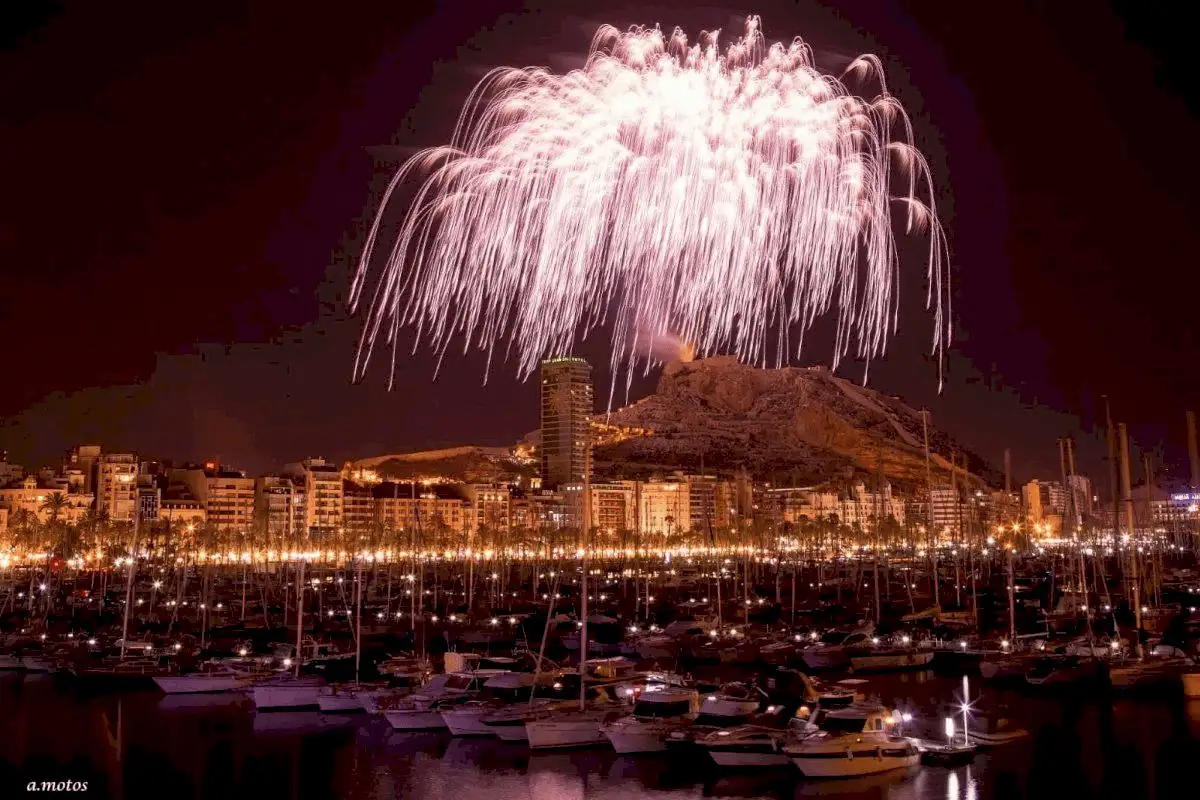
Each night during festival week in Alicante, the sky lights up with breathtaking fireworks.
The most spectacular is the Palmera Blanca, a massive firework launched from Santa Barbara Castle at midnight on June 24th, signalling the start of La Crema.
Across Spain, even small beach gatherings feature fireworks, firecrackers, and sparklers throughout the night.
Hogueras de Alicante: The Main Event
Alicante hosts Spain's most famous San Juan celebration, officially recognised as a Festival of International Tourist Interest.
The city transforms for a week of parades, fireworks, and the spectacular burning of monumental sculptures.
2026 Festival Dates
| Date | Event |
|---|---|
| June 18-24 | Daily mascletas (daytime fireworks) at Plaza de los Luceros, 2pm |
| June 20 | La Planta: Installation of hoguera monuments throughout the city |
| June 21-22 | Flower Offering (Ofrenda de Flores) to the Virgin of El Remedio |
| June 22 | Awards ceremony for best hogueras and barracas |
| June 23 | International Folklore Parade (8pm); Pasacalle of Nanos i Gegants (1pm) |
| June 24 | Palmera Blanca firework from Santa Barbara Castle (midnight); La Crema begins |
| June 25-29 | Fireworks Contest at Coco Beach (post-festival) |
Parades and Events
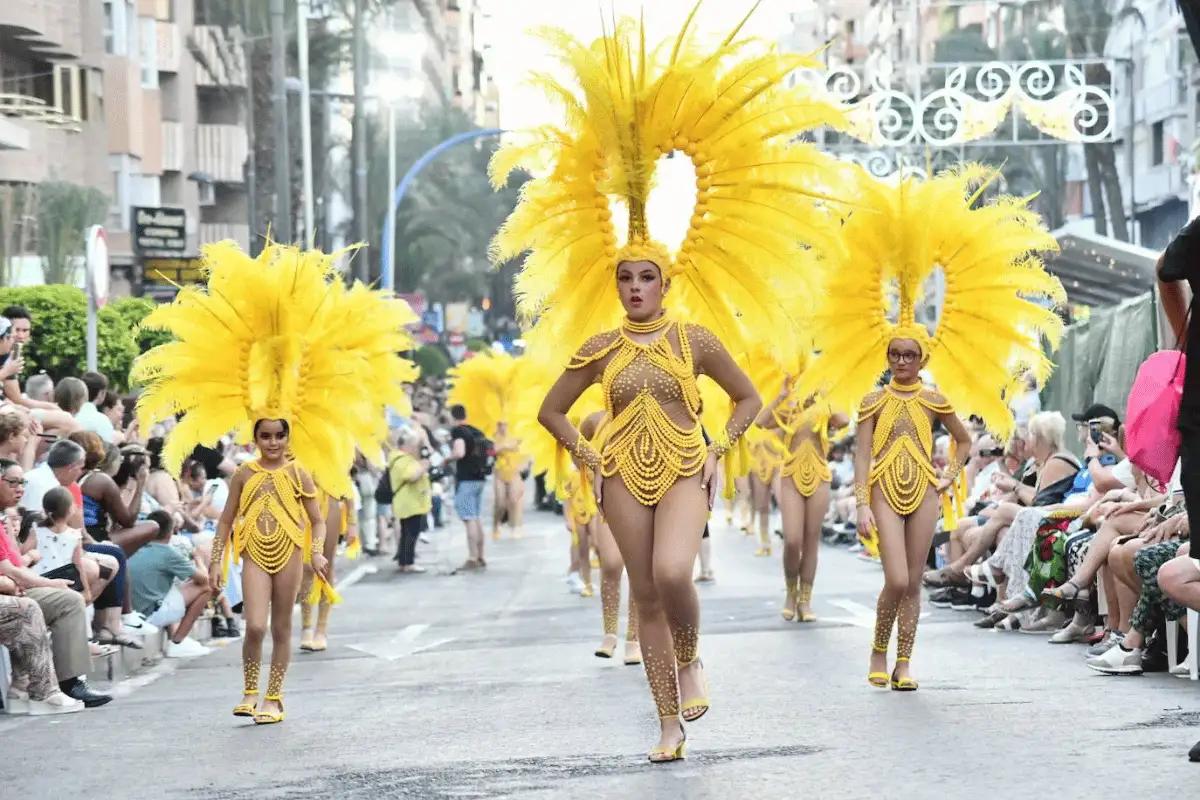
Entrada de Bandas: Bands and musicians march through the streets, filling the city with lively music.
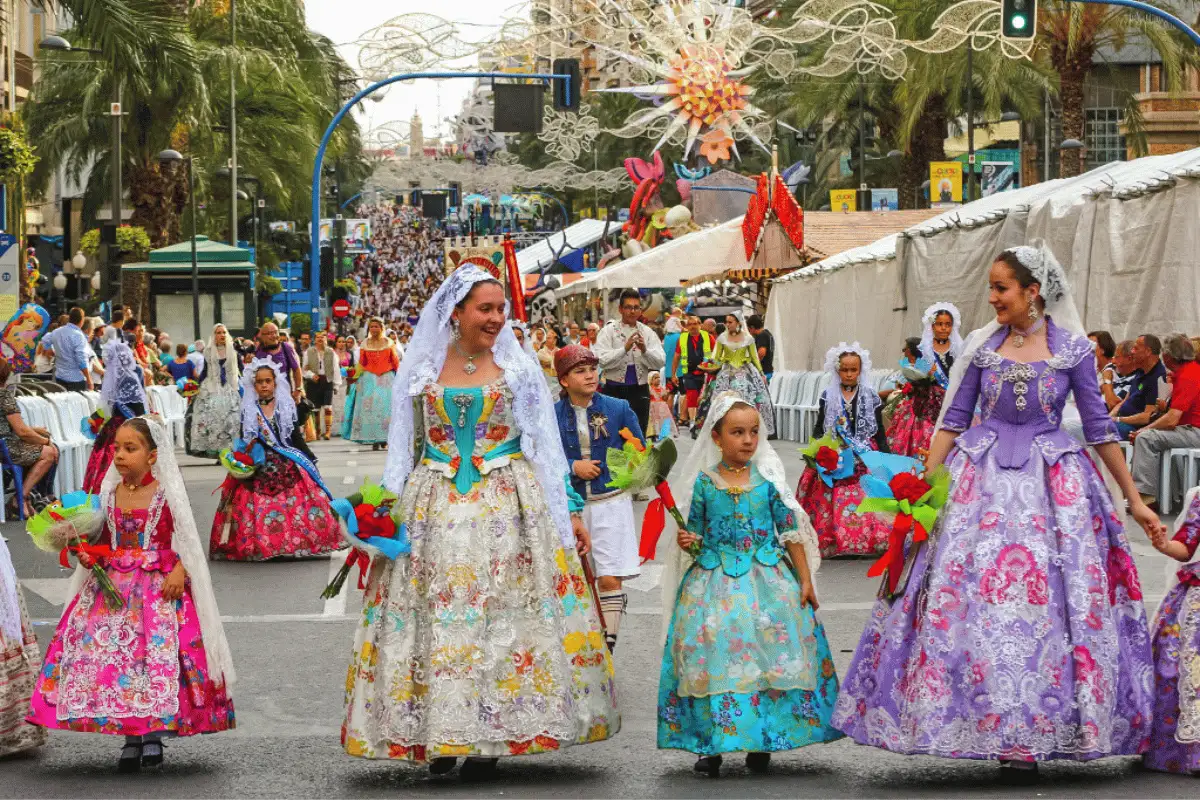
Desfile Folklorico Internacional: An international folklore parade with participants in traditional costumes from around the world. The route typically starts at Plaza de los Luceros, proceeds along Avenida Alfonso X El Sabio, continues through Rambla de Mendez Nunez, and ends at Plaza del Ayuntamiento.
Ofrenda de Flores: Participants dressed in traditional Alicante attire present floral tributes to the Virgin of El Remedio.
La Crema (The Burning)
The climax of Alicante's festival is La Crema, when all the hoguera monuments are burned simultaneously at midnight on June 24th.
The signal to begin is the Palmera Blanca, a massive white firework launched from Santa Barbara Castle overlooking the city. The official hoguera in Plaza del Ayuntamiento is the last to burn, around 1:30am. The burning is accompanied by synchronised pyrotechnics that transform the city into a glowing spectacle.
Alicante gets incredibly busy during Hogueras week. Hotels and apartments book up months in advance, and prices rise significantly. Secure your accommodation as early as possible if you want to stay near the city centre.
Where Else to Celebrate San Juan
San Juan is celebrated across all of Spain. Here are the best places beyond Alicante.
Barcelona
Barcelona's Sant Joan (Revetlla de Sant Joan) is famous for its beach parties.
Thousands gather on Barceloneta beach with picnics, cava, and bonfires. Fireworks light up the Mediterranean sky, and the party continues until sunrise. Arrive early to claim a good spot because the beach fills up fast. Coca de Sant Joan, a sweet pastry topped with candied fruits, is the essential snack.
Valencia
Valencia spreads celebrations along miles of city beaches.
Beach barbecues, bonfires, and live music create a festive atmosphere from sundown to dawn. The Malvarrosa and Patacona beaches are popular gathering spots. Combine the night with the city's excellent nightlife in the Ruzafa neighbourhood.
Malaga and the Costa del Sol
In Malaga, the main celebrations centre on La Misericordia beach near the Antonio Banderas promenade. All along the Costa del Sol, from Torremolinos to Marbella, beaches host sardine barbecues, bonfires, and parties.
The moragas (sardine BBQs) are a highlight. Arrive hungry. We usually head to our local beach by 9pm to grab a spot and bring our own picnic alongside the communal sardine grills.
Galicia
Galicia adds Celtic mysticism to San Juan.
The traditional drink queimada, made from aguardiente, sugar, and coffee beans, is set alight while a spell (conxuro) is recited to ward off evil spirits. Cities like A Coruna and Vigo light bonfires and burn meigas (witches). Try queimada at a local bar if you get the chance. The spell recitation is theatrical and worth seeing.
Javea (Xabia)
This Costa Blanca town near Alicante has its own distinctive celebration, including the Quinta Parade from Plaza de la Iglesia to Plaza de la Constitucion. Beach parties on the Arenal, local parades, and smaller crowds than Alicante make it a great alternative.
Traditional San Juan Food and Drink
Like any Spanish festival, Hogueras de San Juan is full of traditional foods. What you eat varies by region, but these are the classics.
| Food/Drink | Description | Where Popular |
|---|---|---|
| Sardinas a la Parrilla | Grilled sardines over open flames, often on the beach | Andalusia, all coastal areas |
| Coca de Sant Joan | Sweet or savoury pastry topped with candied fruits and nuts | Catalonia, Balearic Islands |
| Queimada | Aguardiente set alight with a spell to ward off evil | Galicia |
| Tortilla de Patatas | Spanish omelette, easy to share at beach picnics | Nationwide |
| Ensaimada | Sweet spiral pastry | Balearic Islands, nationwide |
| Sangria/Tinto de Verano | Refreshing wine-based drinks | Nationwide |
| Cava | Sparkling wine, especially for toasting | Catalonia, nationwide |
Regional Specialties
In Andalusia, the moraga tradition involves grilling sardines on bamboo skewers over beach fires. The smoky, fresh flavour is unforgettable. If you're interested in traditional food in Malaga, this is one of the best ways to try espetos in their most authentic setting.
In Catalonia, Coca de Sant Joan is the essential pastry, available in bakeries for weeks before the festival. The traditional version is topped with candied fruits and pine nuts.
In Galicia, queimada is both a drink and a ritual. The spell recited while the flames lick the pot is meant to chase away evil spirits and witches.
Is Noche de San Juan Family-Friendly?
Yes. San Juan is a genuinely inclusive celebration, and you'll see families with children of all ages on the beach.
Kids love the sparklers, the smaller bonfires, and running around on the sand after dark. Most families with younger children arrive early and leave by 1 or 2am, before the crowd thins and the fires die down. The bigger fireworks and firecrackers can be loud, so bring ear protection for very small children.
The one thing to watch is broken glass. Some people bring glass bottles to the beach despite it being discouraged. Keep shoes handy and stick to well-lit areas if you have kids running barefoot.
What Should You Wear to San Juan?
Keep it casual. You'll be on a beach, near fire, and possibly jumping into the sea at midnight.
Wear comfortable clothes you don't mind getting smoky or sandy. Shorts and a t-shirt work, but bring a jumper or light jacket because beach temperatures drop after midnight, especially with the sea breeze. Closed shoes or sturdy sandals are better than flip-flops since you'll be walking on sand with embers and debris. Leave anything delicate at the hotel.
Tips for Attending San Juan
Here's what we've learned from celebrating San Juan over the years.
- Book accommodation months in advance, especially for Alicante
- Arrive at beaches early (by 9pm) to claim a good bonfire spot
- Bring a beach blanket, snacks, water, and warm layers for late night
- Wear comfortable shoes for walking and dancing all night
- Keep a safe distance from large fires, especially during La Crema
- Write your wishes or worries on paper to throw into the flames
- Stay for the midnight swim if you're near the coast
- Check local schedules for parade routes and burning times
- Bring drinks in cans or plastic containers, not glass bottles
- Carry a swimsuit and towel if you plan to do the midnight swim
- Cash is useful since some beach vendors don't take cards
Safety Tips
Keep a safe distance from large bonfires, especially in Alicante during La Crema. Start with small fires if you want to try fire jumping, and avoid jumping after drinking. Watch for embers and hot sand near bonfires.
Firecrackers are part of the celebration, and in some cities like Barcelona they go off everywhere, not just in organised displays. If you're sensitive to loud noises, bring earplugs.
Stay aware of your surroundings in crowded beach areas and keep valuables secure. For general safety advice when travelling in Spain, see our Spain safety tips.
Official Information
For Alicante's festival, visit the official Hogueras website for schedules, parade routes, and monument locations. The Alicante tourism board also publishes detailed event programmes.
The History Behind San Juan
The origins of San Juan predate Christianity.
These were pagan celebrations of the summer solstice, the longest day of the year, marked by rituals of fire and fertility. Fire was believed to ward off evil spirits, purify, and renew.
The Catholic Church layered its own meaning onto the date by naming June 24th the feast day of Saint John the Baptist. The result was a fusion of sacred and seasonal traditions, where fire remained a central symbol representing both spiritual light and personal renewal.
The tradition of burning old items at the solstice evolved into the artistic hogueras of today. What began as neighbours burning broken furniture became a competition to create the most impressive, satirical, and beautiful sculptures, only to watch them burn at midnight.
Alicante's festival gained official recognition as a Festival of International Tourist Interest, putting it alongside Spain's other major celebrations like Las Fallas in Valencia and Semana Santa in Seville. If you enjoy Spanish festivals, check out our guide to unique festivals in Spain for more celebrations worth planning a trip around.

Hola! I'm the researcher, walker, and co-founder behind Spain on Foot. I help travellers experience Spain authentically, through in-depth guides, locals-only knowledge, and cultural stories you won't find in guidebooks. You can reach me at heidi@spainonfoot.com