itineraries
One Day in Seville: The Perfect Itinerary for First-Time Visitors
This post may contain affiliate links, which means I earn a small commission, at no extra cost to you. It helps keep the blog alive, and we really appreciate your support!

Only have one day in Seville? Here's exactly how to spend it.
Seville is one of Spain's most captivating cities.
We spent a day in Seville with Jethro's parents recently, and it confirmed what I already suspected: you can see the highlights in one day, but your feet will hurt by the end.
The Cathedral alone makes Seville worth a detour. What surprised me was how much there is to see around every corner.
This is the one-day itinerary I wish I'd followed. It covers all the essential attractions in a logical walking order, so you don't waste time backtracking like we did.
One Day in Seville: The Itinerary
Here's how I'd spend one day in Seville if I could do it over. This walking route covers the essential sights and keeps backtracking to a minimum. You'll walk around 5 to 7 km in total.
9:00am, Plaza de Espana and Maria Luisa Park. Start early at Seville's most photogenic spot. The semi-circular plaza with tiled alcoves representing each Spanish province is stunning in morning light. Allow 45 to 60 minutes.
10:00am, Royal Alcazar. The UNESCO-listed Moorish palace is Seville's crown jewel. Mudejar architecture, intricate tilework, and peaceful gardens. Book timed-entry tickets in advance. Allow 1.5 to 2 hours.
12:15pm, Seville Cathedral and La Giralda. The world's largest Gothic cathedral. See Christopher Columbus's tomb and climb the Giralda tower for panoramic views. Book tickets in advance. Allow 1 to 1.5 hours.
1:45pm, Tapas lunch. Refuel at El Rinconcillo (Spain's oldest tapas bar) or La Brunilda for modern tapas. The streets around the Cathedral have dozens of options. Allow 1 to 1.5 hours.
3:15pm, Barrio Santa Cruz. Wander the narrow lanes of the old Jewish quarter. Orange trees, hidden plazas, and artisan shops. Get deliberately lost. Allow 1 hour.
4:15pm, Casa de Pilatos or a cafe break. Either visit this stunning 16th-century palace (quieter than the Alcazar) or rest your feet with coffee and ice cream.
5:15pm, Metropol Parasol (Las Setas). The giant wooden mushroom structure offers sunset views over the rooftops. Take the elevator to the top. Allow 30 to 45 minutes.
6:00pm, Torre del Oro and the river walk. Stroll along the Guadalquivir River to the 13th-century watchtower. Optional sunset river cruise from here.
7:30pm, Flamenco or tapas crawl. End with an intimate flamenco show at Casa de la Memoria, or join locals bar-hopping through Alameda de Hercules or Triana.
This is an ambitious itinerary. If you're travelling with older family members or in summer heat, skip one attraction and add more cafe breaks. Jethro's parents (75 years old) took the hop-on-hop-off bus and looked fresher than we did by evening.
Is One Day in Seville Enough?
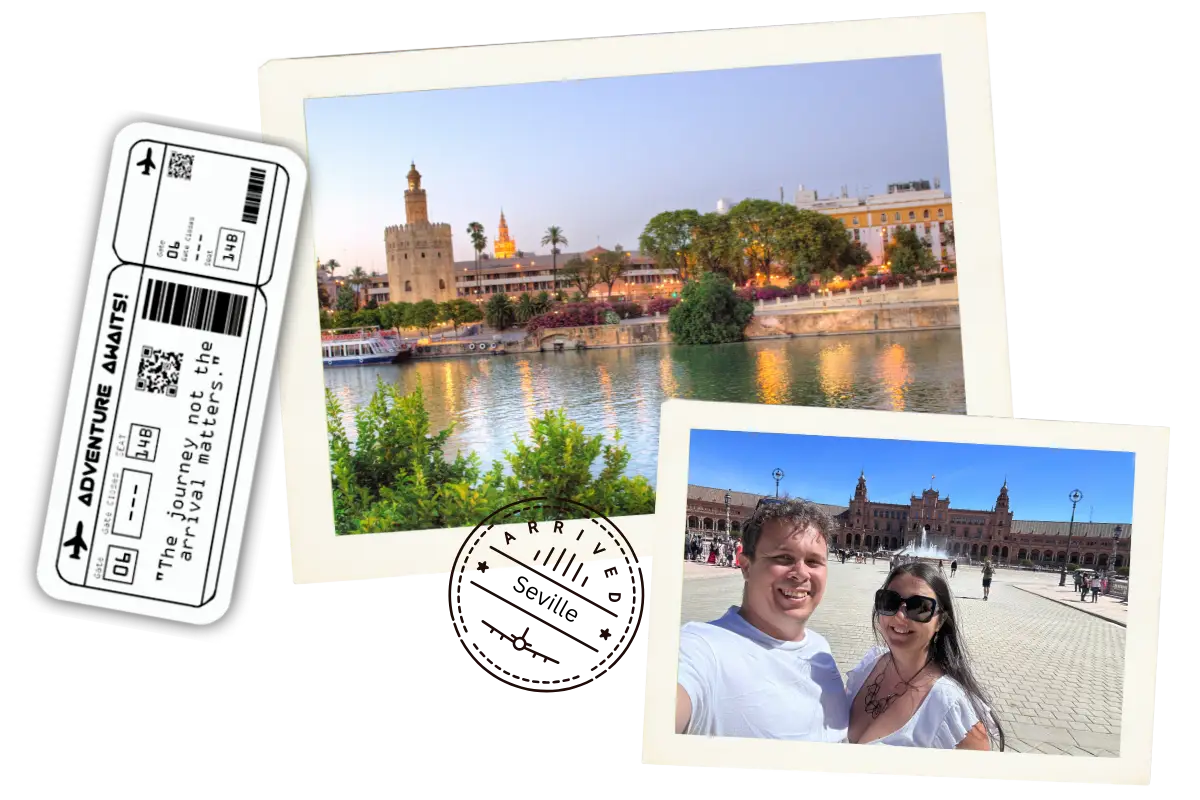
Yes, but it's going to be full-on.
We tried to do Seville in one day. And we did, but by the end, we were leaning against walls just to give our feet a break. One day gives you enough time to visit the big landmarks, enjoy them for an hour or so each, and then move on.
The good news is that Seville is walkable. The Cathedral, Alcazar, and Barrio Santa Cruz are all within 10 minutes of each other. Plaza de Espana is a 20-minute walk south (or a quick tram ride). You can cover the essentials without needing a car or much public transport.
The challenge is that Seville has more to offer than you can fit into one day. If you love history, art, or flamenco, consider staying overnight to explore properly. We have a full guide to things to do in Seville if you're planning a longer stay.
What to See in Seville in One Day
Plaza de Espana and Maria Luisa Park
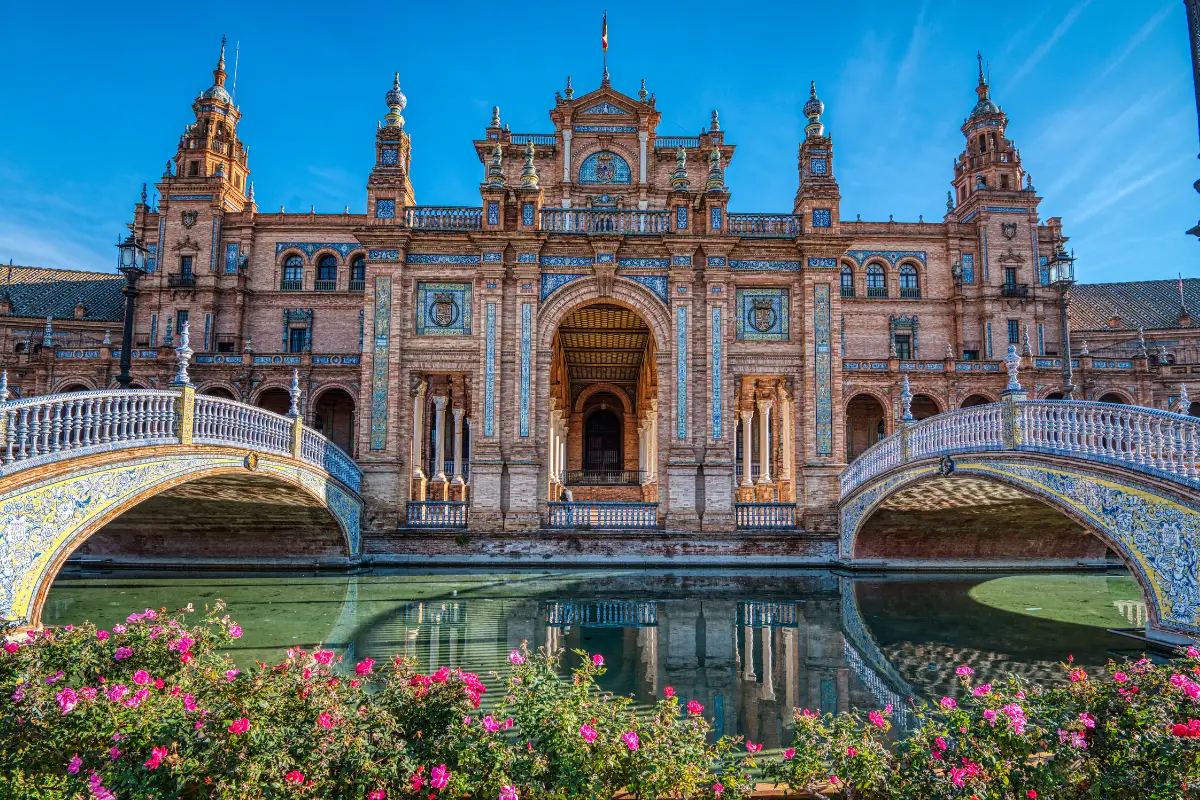
Plaza de Espana is open from 8am to midnight and the park is always open. Entry is free. Allow 45 to 60 minutes.
Start the day with one of the most spectacular plazas in Spain.
Built for the 1929 Ibero-American Exposition, Plaza de Espana is a sweeping semicircle of brick and ceramic tiles. 52 tiled alcoves line the plaza, each representing a different Spanish province with hand-painted scenes and maps.
The central fountain, ornamental bridges over the canal, and the sheer scale of the architecture make this one of Seville's most photographed spots. It's also appeared in Star Wars (Episode II) and Lawrence of Arabia.
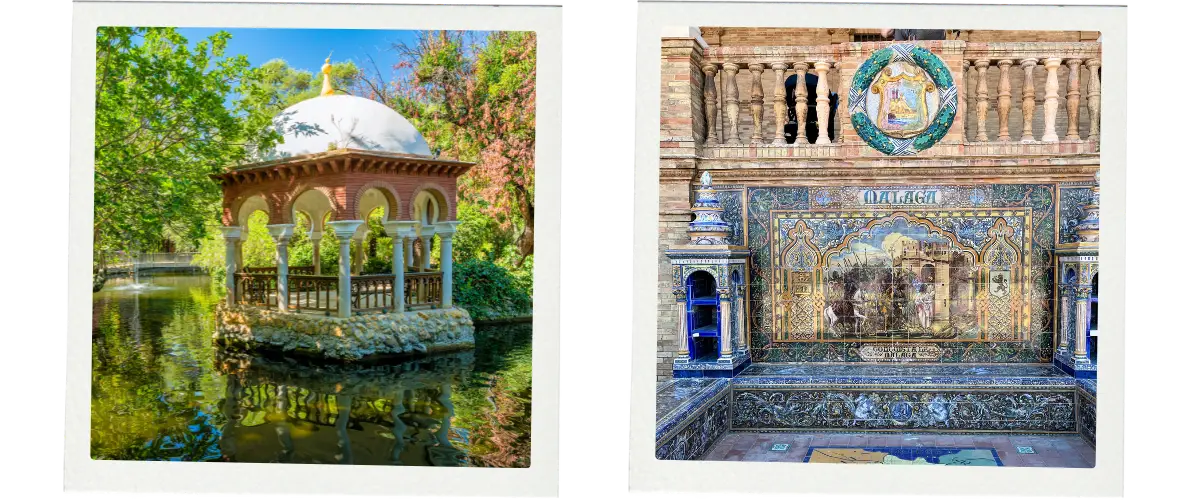
Get here before 10am when the light is soft and the crowds haven't arrived. Avoid midday in summer when there's no shade.
Behind the plaza, Maria Luisa Park offers shaded paths, fountains, and gardens. It's worth a short stroll, especially in spring when the orange blossoms are in bloom.
Royal Alcazar of Seville
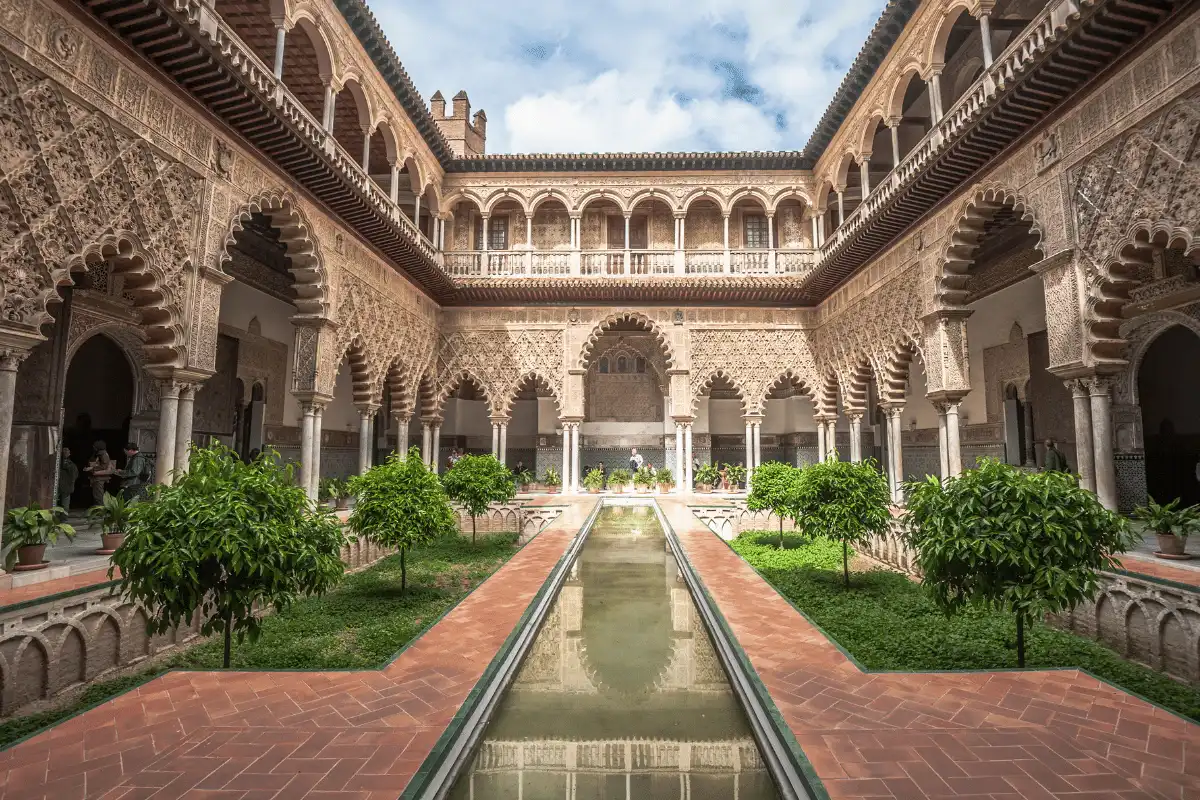
The Alcazar is open April to September from 9:30am to 7pm, and October to March from 9:30am to 5pm. Entry costs €14.50 with timed-entry tickets booked online. Allow 1.5 to 2 hours.
The Royal Alcazar is Seville's most extraordinary landmark and a UNESCO World Heritage Site. Originally a 10th-century Moorish fort, it was rebuilt in the 14th century for King Peter I and remains a royal residence today.
The palace blends Mudejar, Gothic, and Renaissance architecture with intricate tilework, carved wooden ceilings, and peaceful courtyards. Don't miss the Patio de las Doncellas (Courtyard of the Maidens) or the ornate Salon de Embajadores (Hall of Ambassadors).
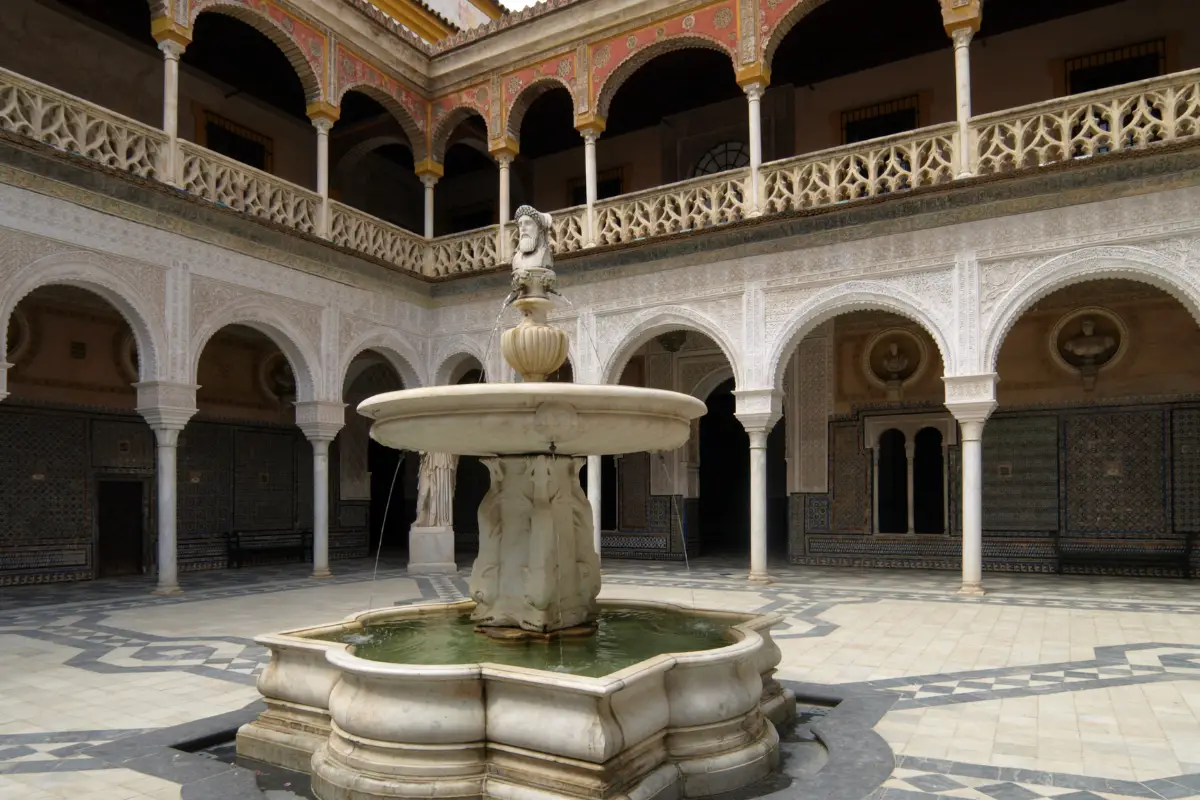
The gardens are equally impressive: shaded walkways, trickling fountains, and towering palms. Game of Thrones fans will recognise the Water Gardens of Dorne.
Warning:
Book your Alcazar tickets online in advance. The queue for walk-up tickets can be 1 to 2 hours in peak season. Timed-entry tickets let you skip the line at Puerta del Leon.
Seville Cathedral and La Giralda
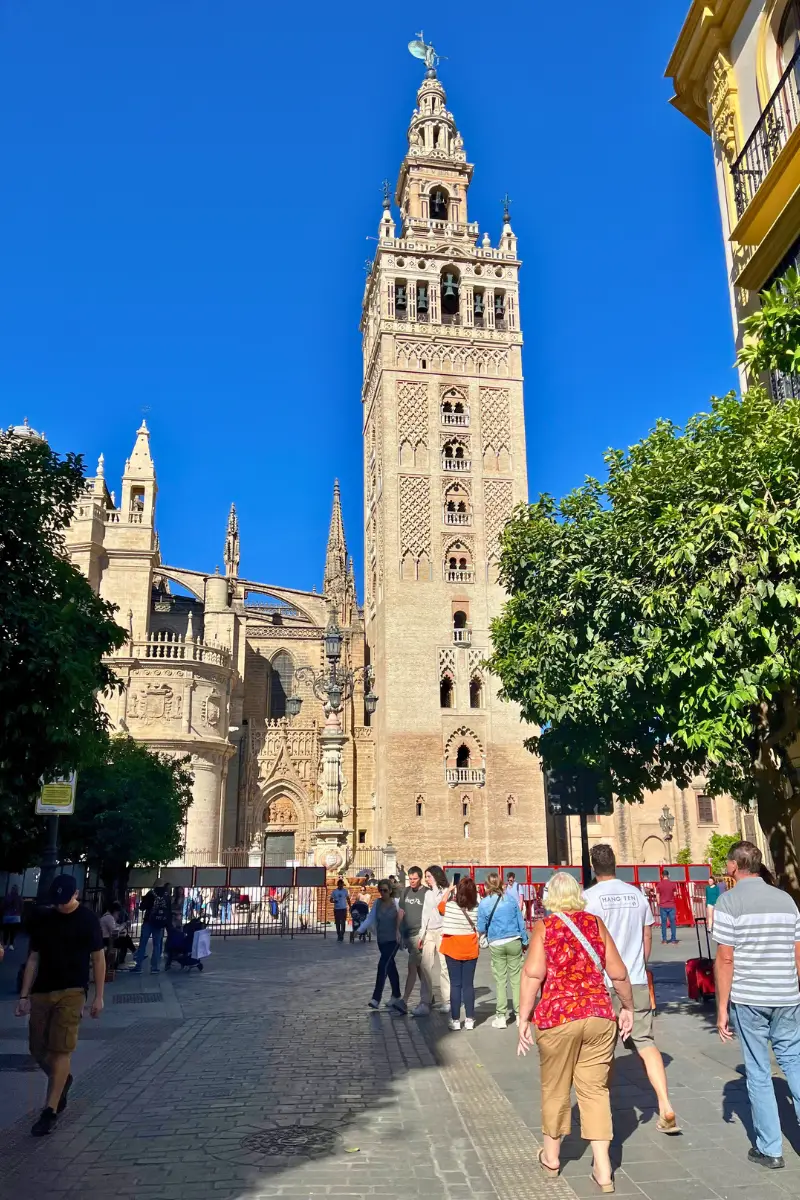
The Cathedral is open Monday to Saturday from 11am to 6pm and Sunday from 2:30pm to 6pm. Entry costs €12 and includes the Giralda tower. Allow 1 to 1.5 hours.
Seville Cathedral is the largest Gothic cathedral in the world and the third-largest church overall. The interior is overwhelming: soaring columns, gold-covered altars, and quiet side chapels in every corner.
Don't miss the tomb of Christopher Columbus, held aloft by four figures representing the kingdoms of Spain. The detailed choir stalls and massive organ are also impressive.
After exploring the interior, climb the Giralda tower. This 104-metre former minaret has ramped walkways (no stairs) winding upward with increasingly sweeping views. From the top, you can see across the entire old town to the Sierra Morena hills.
Jethro forgot to book tickets, so we never got inside because they were sold out. His parents were visiting from South Africa. Please don't make our mistake.
Tapas Lunch
After a busy morning, take a well-earned break with tapas in Seville's historic heart. You'll find countless spots within walking distance of the Cathedral. For a full rundown of restaurants, see our where to eat in Seville guide.
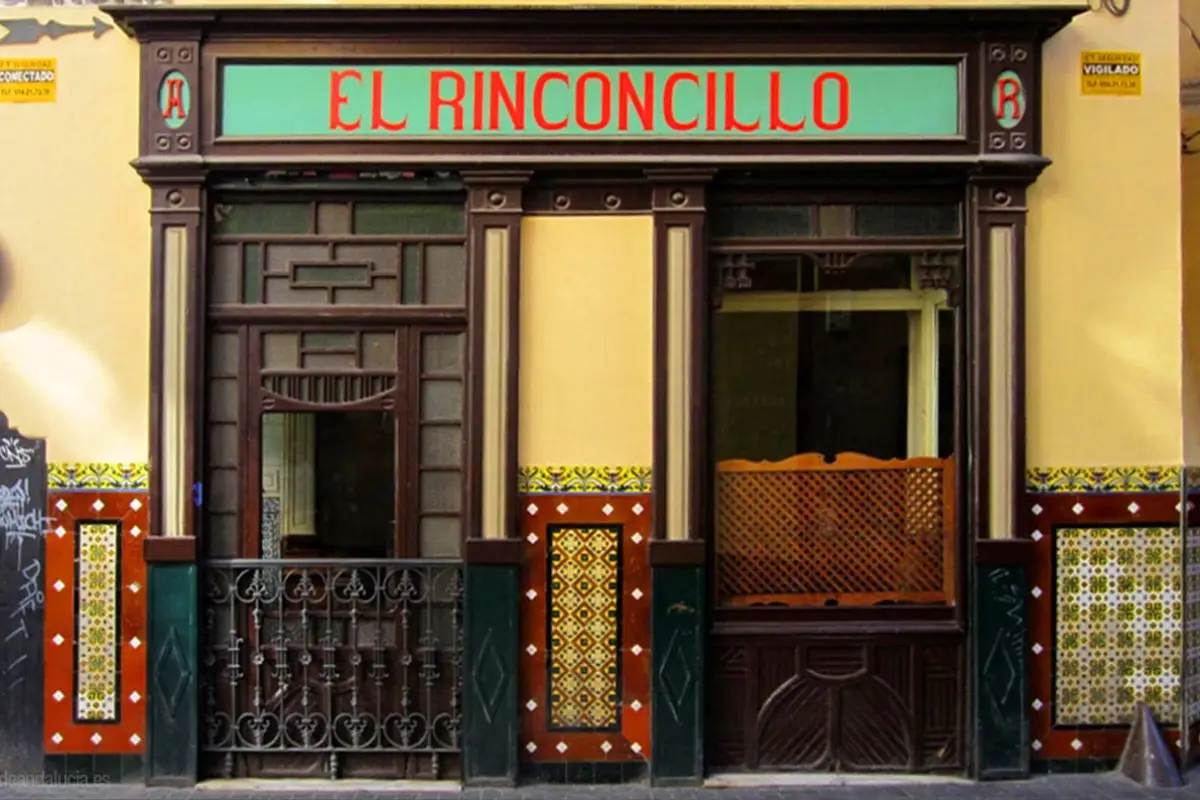
For traditional tapas, try El Rinconcillo, Spain's oldest tapas bar (founded 1670), known for jamon iberico and spinach with chickpeas. Casa Roman near the Cathedral does excellent montaditos. Bodega Santa Cruz is a no-frills local favourite.
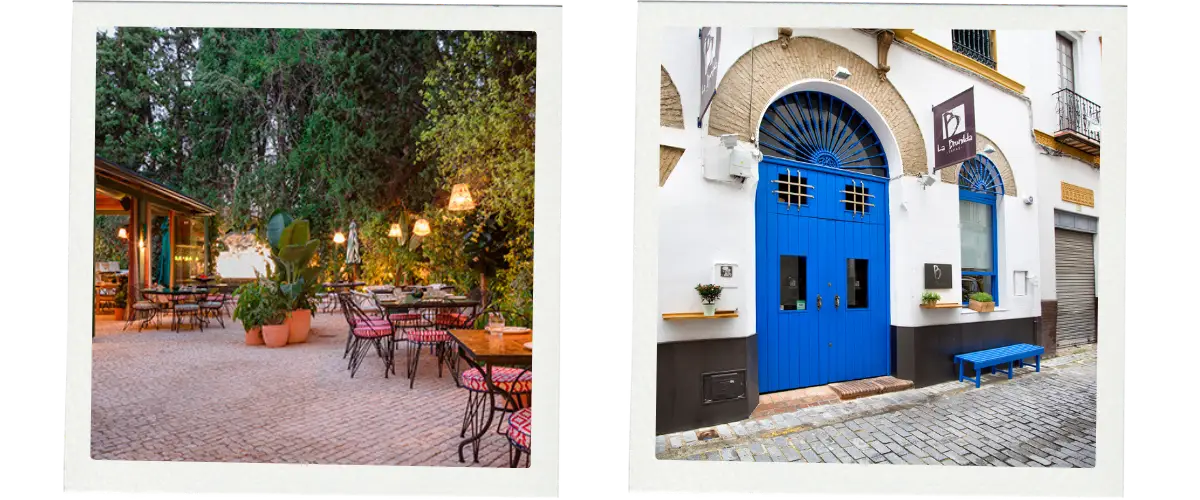
For modern tapas, La Brunilda serves creative dishes and is always busy (no reservations). Ovejas Negras does modern tapas in a lively setting, and Vuela Tapas and Cocktails is a good option if you want an upmarket wine list.
We ate at SedeMexico for high-end Mexican with Andalusian flair. Different, but delicious.
Budget around €15 to 25 per person for a full tapas lunch with drinks.
Barrio Santa Cruz
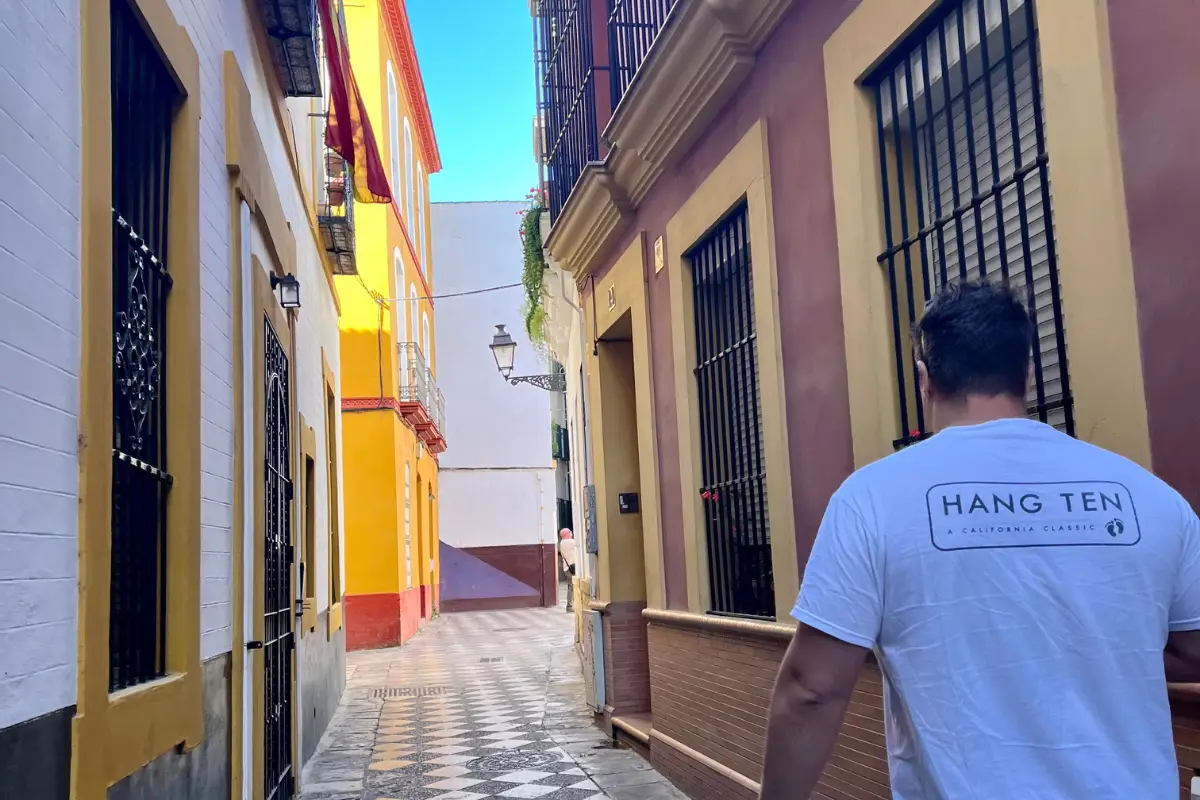
Allow 45 to 60 minutes for Barrio Santa Cruz.
After lunch, wander through the tangled lanes of Barrio Santa Cruz, Seville's old Jewish quarter. This is all about getting lost on purpose.
Narrow, winding streets open onto quiet plazas filled with orange trees, wrought-iron balconies, and hidden corners. Look for Plaza de Dona Elvira, one of the prettiest squares in the barrio, and Calle Agua, which runs alongside the Alcazar wall.
Shops here sell ceramics, fans, and classic Sevillano souvenirs. The atmosphere feels centuries removed from the busy tourist areas.
Plaza del Cabildo is a tucked-away circular plaza with coin and stamp shops under arched galleries. Most tourists miss it.
Casa de Pilatos
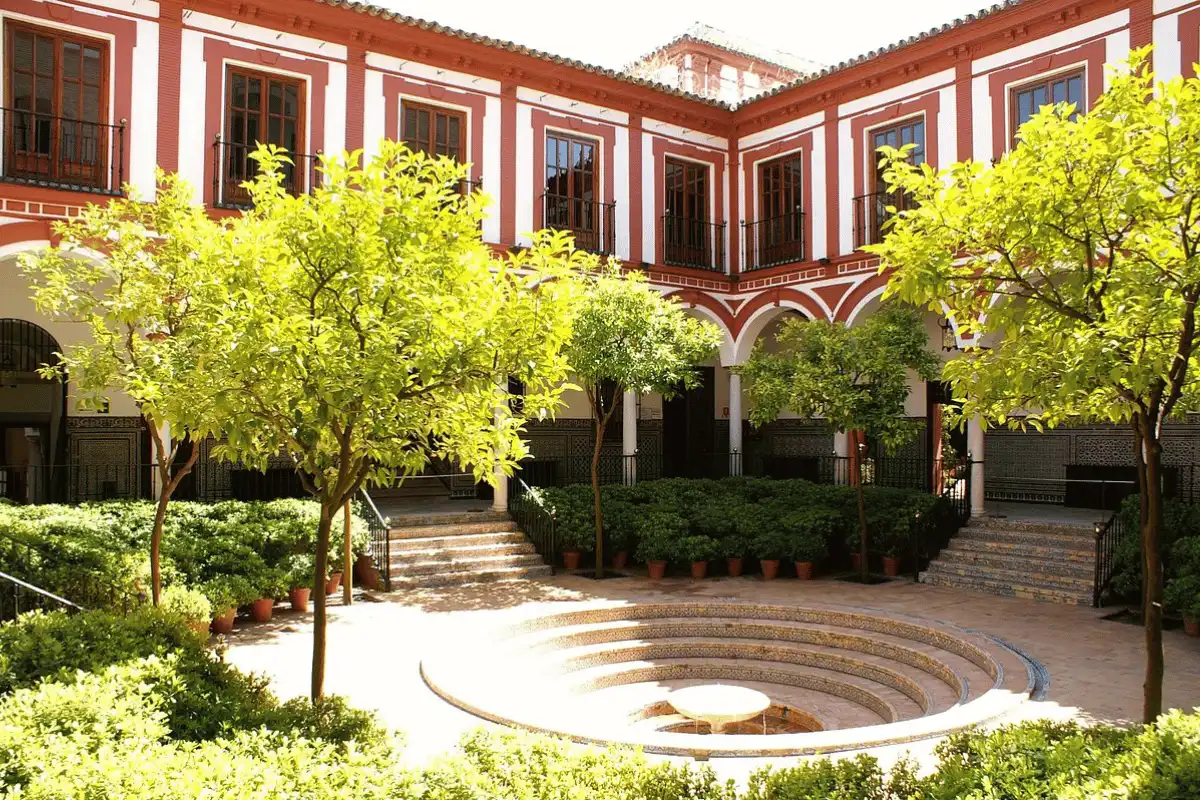
Casa de Pilatos is open from 9am to 6pm (last entry 5:15pm). Entry costs €10 for the ground floor or €12 including the upper floor. Allow 45 minutes.
If you have energy, Casa de Pilatos is one of Seville's best-kept secrets. This 16th-century mansion blends Mudejar, Gothic, and Renaissance design with a graceful main courtyard, marble columns, and intricate tilework.
It's less crowded than the Alcazar but equally beautiful. The upstairs rooms are filled with period furniture and family portraits.
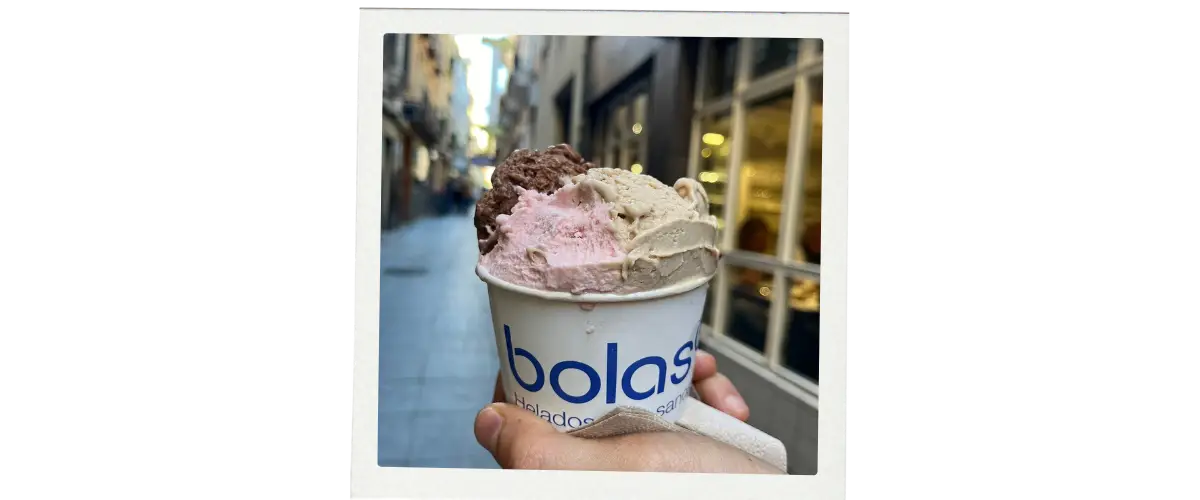
If your feet need a break, skip the palace and settle into a shady terrace instead. Virgin Coffee and Filo are good local picks. For ice cream, try Bolas.
Metropol Parasol (Las Setas)
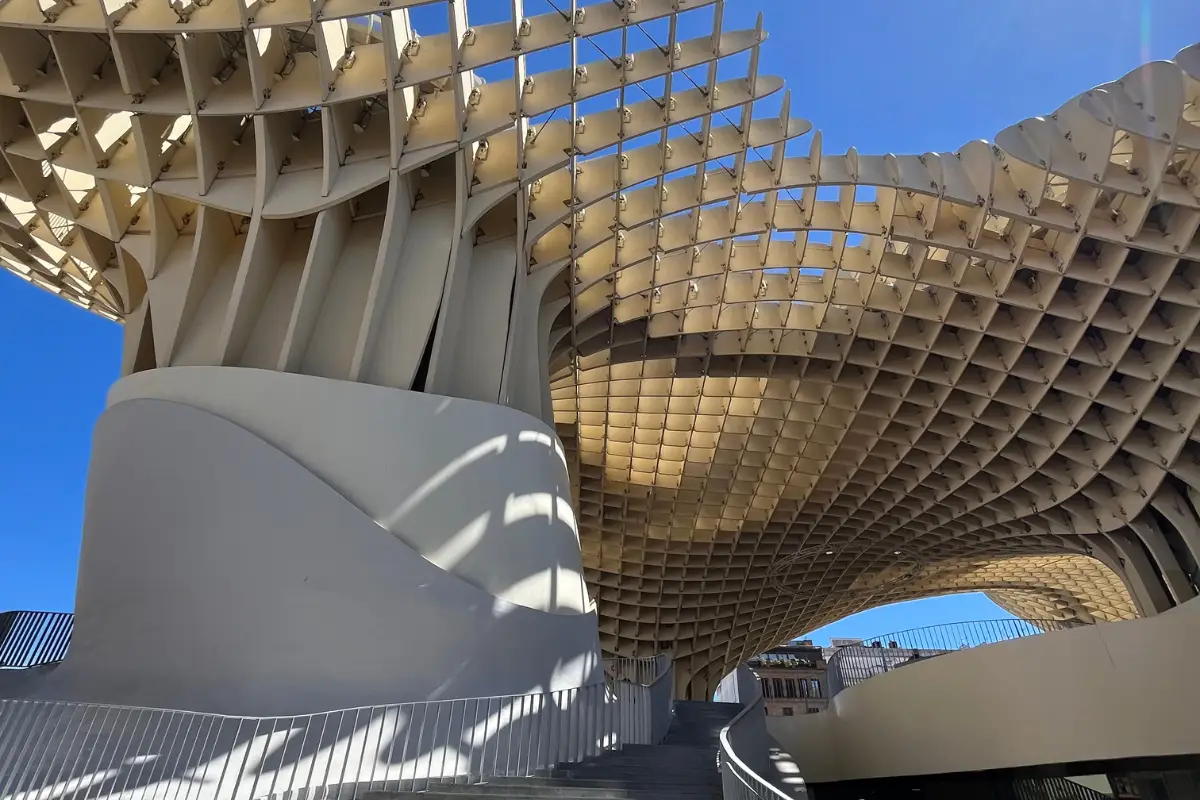
Metropol Parasol is open from 9:30am to 11pm (until midnight on Fridays and Saturdays). Entry costs €5 and includes a drink voucher. Allow 30 to 45 minutes.
Head north toward Metropol Parasol, better known as Las Setas (The Mushrooms). This giant wooden structure rises over Plaza de la Encarnacion, a striking modern contrast to Seville's historic core.
Take the elevator to the rooftop walkway for 360-degree views across the city. The honeycomb patterns and flowing curves make it one of Seville's most recognisable contemporary landmarks.
Underneath, there's a small archaeological museum (Roman ruins discovered during construction) and shaded benches if you need a rest.
Visit in the late afternoon for golden light or just before sunset.
Torre del Oro and the River
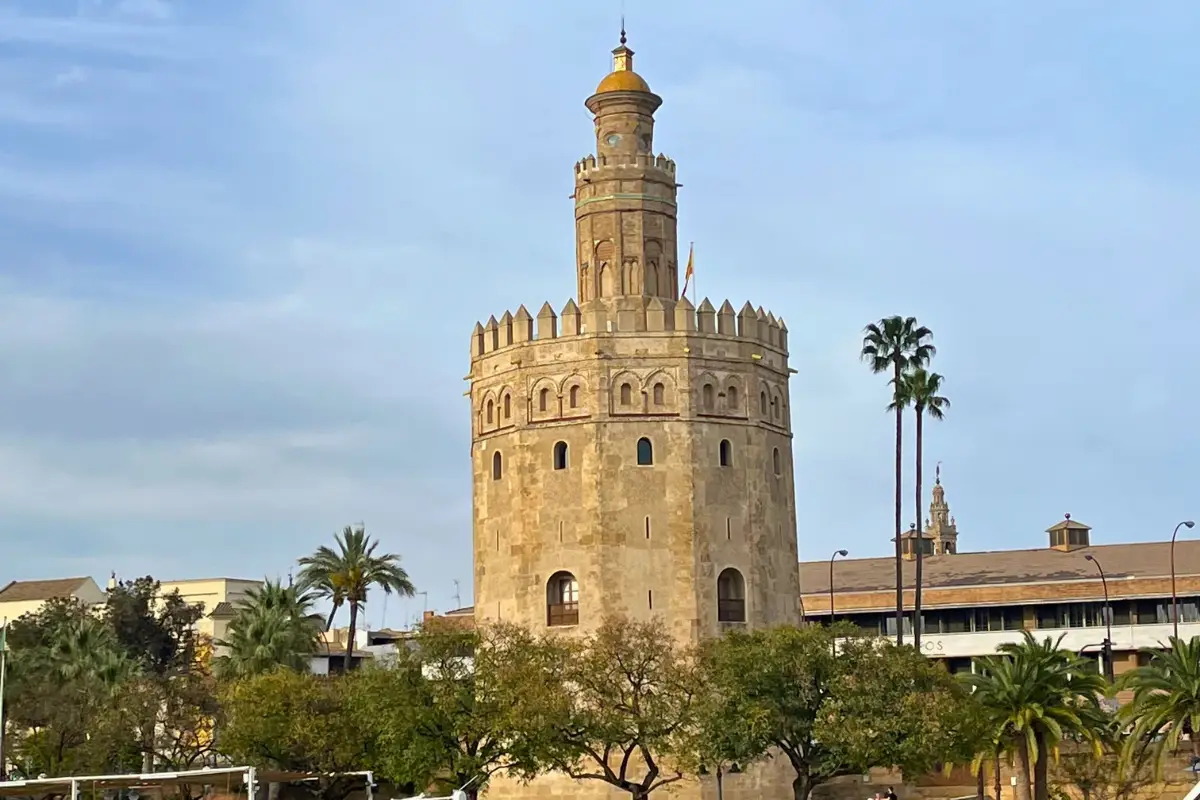
Torre del Oro is open Monday to Friday from 9:30am to 6:45pm and weekends from 10:30am to 6:45pm. Entry costs €3 and it's free on Mondays. Allow 30 minutes.
As the sun dips, walk to Torre del Oro on the banks of the Guadalquivir River.
This 13th-century watchtower (Tower of Gold) has a small maritime museum inside. Climb to the top for river views.
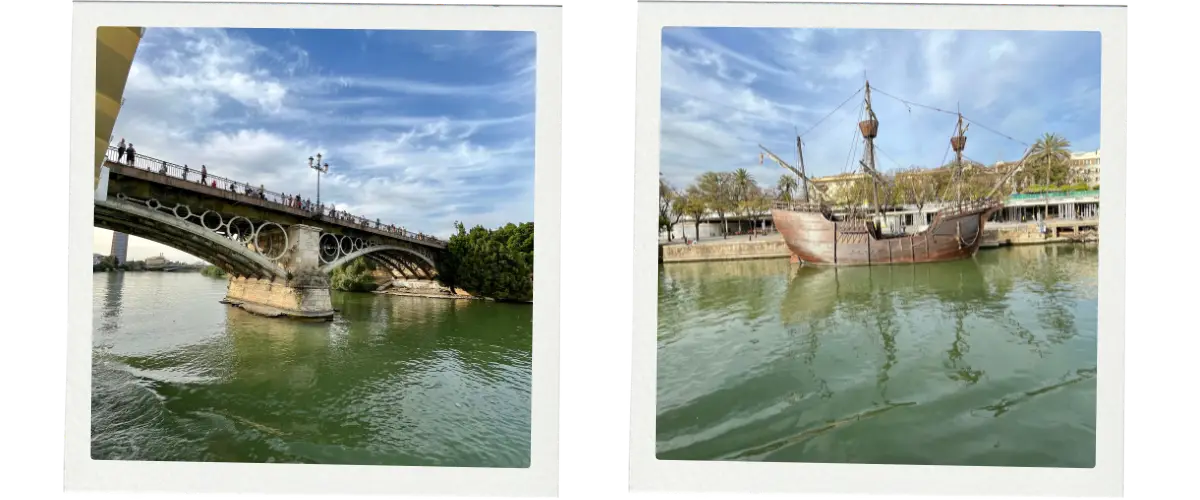
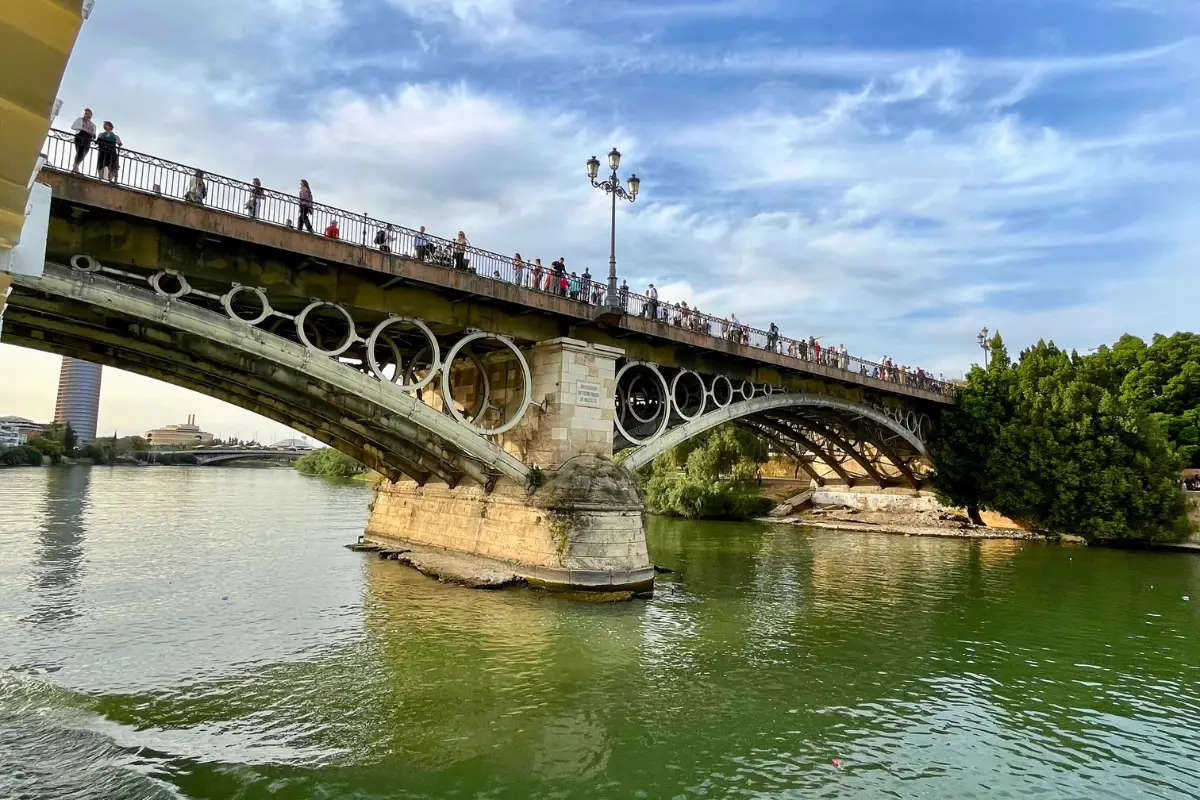
From here, you can take a sunset river cruise. Boats depart just below the tower and offer a relaxing way to see the city from a different angle: Triana Bridge, Plaza de Toros, and parts of the Expo '92 site downstream.
Evening: Flamenco or Tapas Crawl
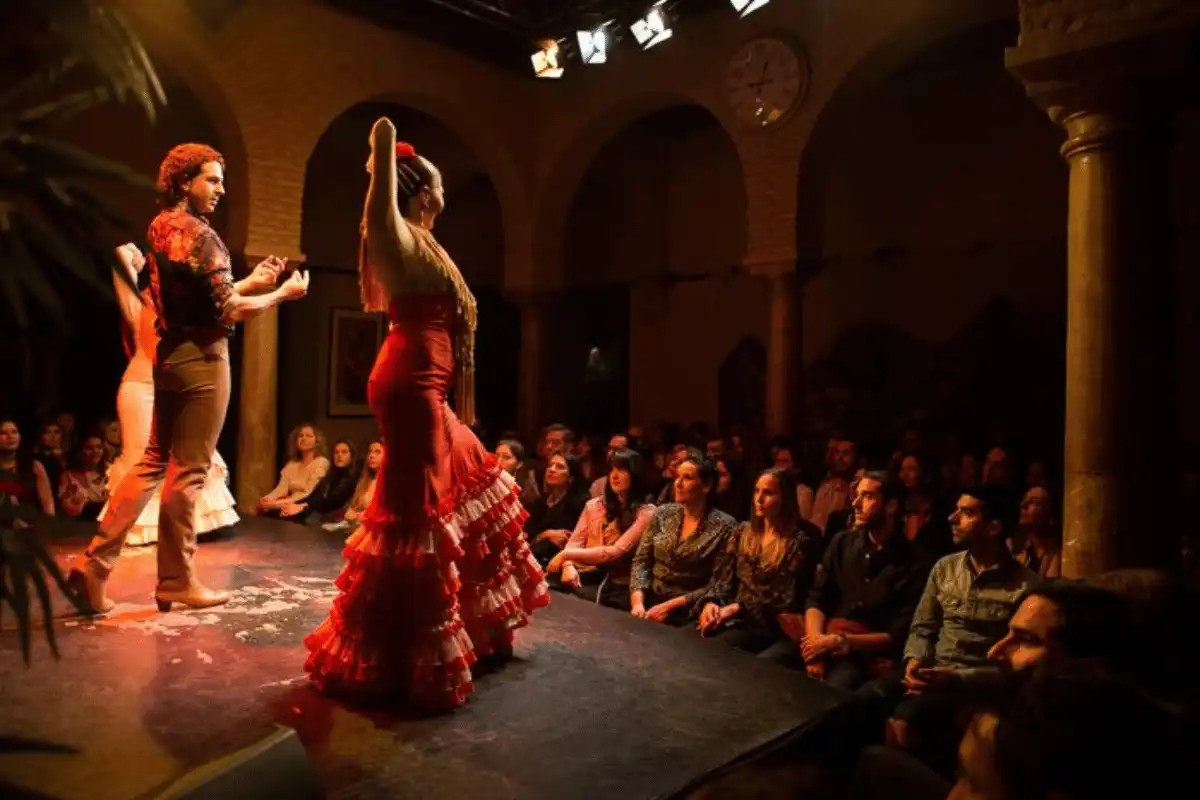
For something unforgettable, book a flamenco show. Seville is the heartland of flamenco, and seeing a performance here is special.
Casa de la Memoria is intimate and authentic, but you need to book ahead. La Casa del Flamenco is a small venue in Santa Cruz. Tablao El Arenal is a larger venue with professional dancers.
Expect to pay €20 to 35 for a show, or €40 to 60 with dinner.
If you'd rather wander and snack, join locals for a tapeo (tapas crawl). Start near Calle Mateos Gago or head to Alameda de Hercules, and follow the crowds from bar to bar. Classic orders: gambas al ajillo, carrillada de cerdo (braised pork cheeks), and a glass of fino sherry.
How Much Does a Day in Seville Cost?
Seville is moderate by European standards. Here's a rough budget for one person spending a full day.
Entry tickets add up quickly. The Alcazar costs €14.50, the Cathedral €12, and Metropol Parasol €5. Torre del Oro is €3 (free on Mondays). Casa de Pilatos is €10 to 12. If you visit all of these, that's around €45 in entries alone.
For food, budget €15 to 25 for a tapas lunch and a similar amount for an evening tapas crawl. A flamenco show adds €20 to 35 on top.
All in, expect to spend around €80 to 120 per person for a full day including entries, food, and a flamenco show. You can do it for less if you skip Casa de Pilatos and the flamenco, bringing it closer to €40 to 60.
Can You Do Seville as a Day Trip from Malaga?
Yes, and it's one of the most popular day trips from Malaga. The drive takes about 2.5 hours via the A-92 motorway (free road, good condition). Parking in Seville's centre is challenging, so use an underground car park.
The AVE high-speed train takes about 2 hours from Malaga Maria Zambrano station. Tickets cost €25 to 50 each way. It's comfortable and drops you right in central Seville.
Alsa buses take 2.5 to 3 hours and are the cheapest option.
If you're coming from other cities, Cordoba is just 45 minutes by train, making it easy to combine the two. From Madrid, the AVE takes 2.5 hours with frequent departures. From Seville Airport, a taxi to the city centre takes about 25 minutes and costs €25 to 30.
What Should You Eat in Seville?
Seville's food scene is one of the best in Andalusia. Even with one day, you should try a few local specialities.
Jamon iberico is everywhere and always good. Order a half-ration at any tapas bar. Espinacas con garbanzos (spinach with chickpeas) is a classic Sevillano dish you won't find done as well anywhere else. Carrillada de cerdo (slow-braised pork cheeks) is rich, tender, and appears on most menus.
For something cold, try salmorejo, a thick chilled tomato soup topped with jamon and boiled egg. It's thicker and creamier than gazpacho. Wash everything down with a glass of fino sherry or a tinto de verano (red wine with lemon soda).
For more restaurant recommendations, see our full where to eat in Seville guide.
Hidden Gems in Seville
If you've ticked off the big landmarks and have extra time:
Plaza del Cabildo is a hidden circular plaza with antique and coin shops. Enter through a narrow passageway near the Cathedral.
Convento de San Leandro lets you buy sweets made by cloistered nuns through a revolving wooden drum. The yemas de San Leandro (candied egg yolks) are famous.
Palacio de Las Duenas is the former home of the Duke of Alba, filled with art, antiques, and family memorabilia. Less crowded than Casa de Pilatos.
Hospital de los Venerables is a 17th-century building with a stunning Baroque chapel and the Velazquez Centre art collection.
Museo de Bellas Artes is Spain's second-most important art museum after the Prado. Works by Murillo, Zurbaran, and Velazquez.
Triana is across the river and known for flamenco roots, ceramic workshops, and riverside tapas bars.
Book These Tickets in Advance
Seville gets busy. Don't make our mistake (we missed the Cathedral because it was sold out).
The Royal Alcazar requires timed-entry tickets booked at least a few days ahead. The Seville Cathedral often sells out same-day tickets. Popular flamenco shows book up, especially on weekends. For trendy restaurants like La Brunilda that don't take reservations, arrive early.
Best Time to Visit Seville
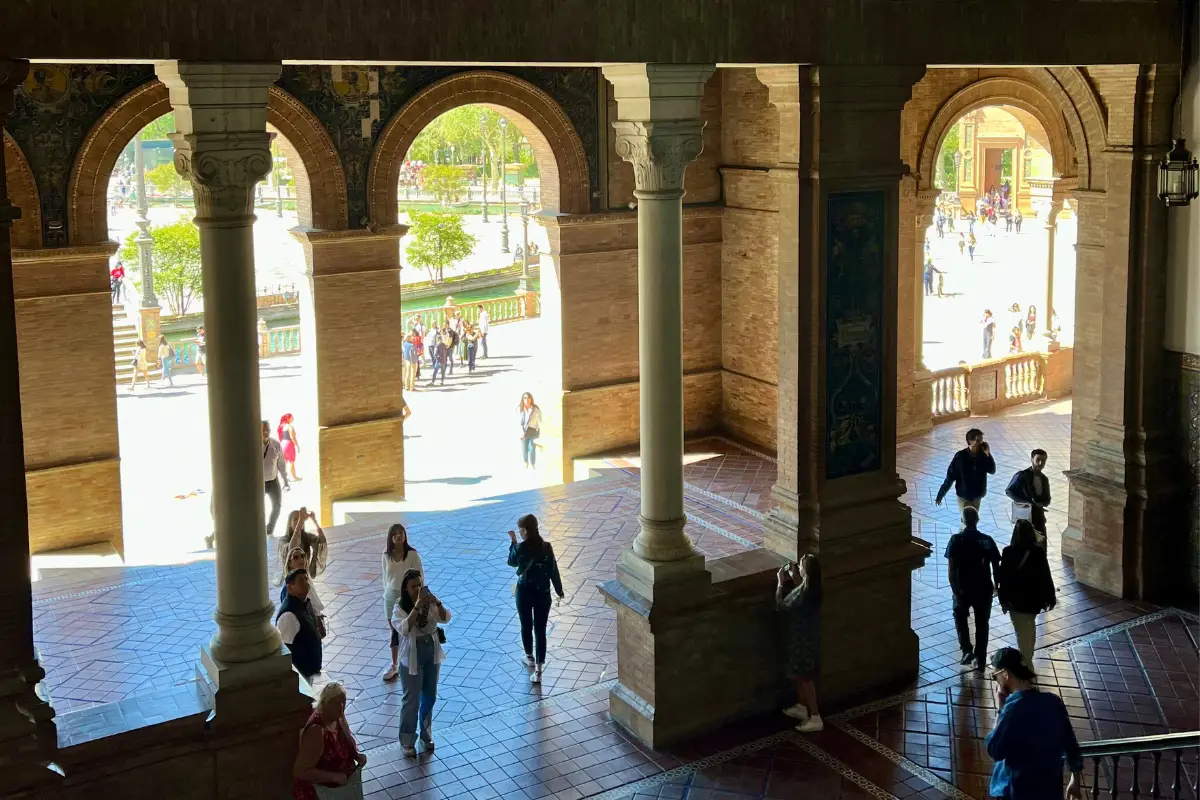
Seville is one of the hottest cities in Europe. Timing matters. For a detailed breakdown, see our best time to visit Seville guide.
Spring (March to May) is the best time to visit. Temperatures sit in the low-to-mid 20s°C, orange blossoms are in bloom, and the city is at its most beautiful. April brings Semana Santa and Feria de Abril.
Summer (June to August) is brutally hot. Average highs reach around 36°C (97°F), often pushing past 40°C (104°F). Streets empty during siesta. Only visit if you can handle extreme heat and plan activities for early morning or evening.
Autumn (September to November) is still warm in September (high 20s), cooling to the low 20s by November. Fewer crowds, lower prices. Excellent time to visit.
Winter (December to February) is mild but the rainiest season. Highs around 17°C (62°F). No crowds, but pack a waterproof jacket.
Festival Dates in Seville
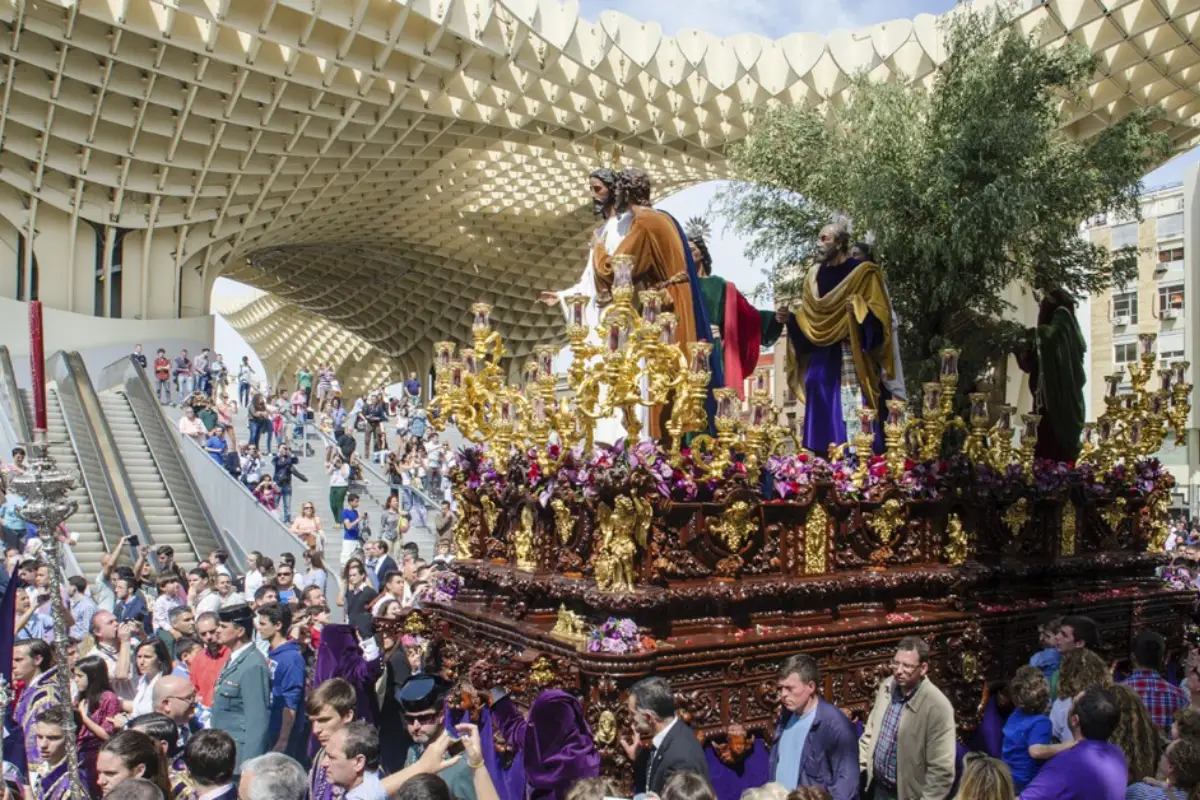
Semana Santa (Holy Week) falls in late March or April. Spectacular religious processions leading up to Easter. Incredibly atmospheric but very crowded.
Feria de Abril takes place two weeks after Easter. Flamenco dresses, horse parades, casetas (party tents), and dancing until dawn. Pure Andalusian celebration.
Corpus Christi is in June, with ornate processions through the historic centre.
Vela de Santa Ana is a local summer festival in Triana in late July, with music, food, and riverfront celebrations.
Bienal de Flamenco happens in September every two years. It's the world's most prestigious flamenco festival.
Getting Around Seville

The good news is that you can walk to almost everything. The historic centre is compact and mostly flat. For more detail, see our getting around Seville guide.
The Cathedral, Alcazar, and Barrio Santa Cruz are within 5 to 10 minutes of each other on foot. Plaza de Espana is a 20-minute walk south.
Tram Line T1 runs through the centre and is useful for getting to Plaza de Espana if your feet are tired. Taxis, Uber, and Bolt are readily available for early mornings or late nights.
The hop-on-hop-off bus is surprisingly useful if you're short on time or have mobility issues. Jethro's parents swore by it. The metro has limited coverage in the centre and isn't usually necessary for one day.
Where to Stay in Seville
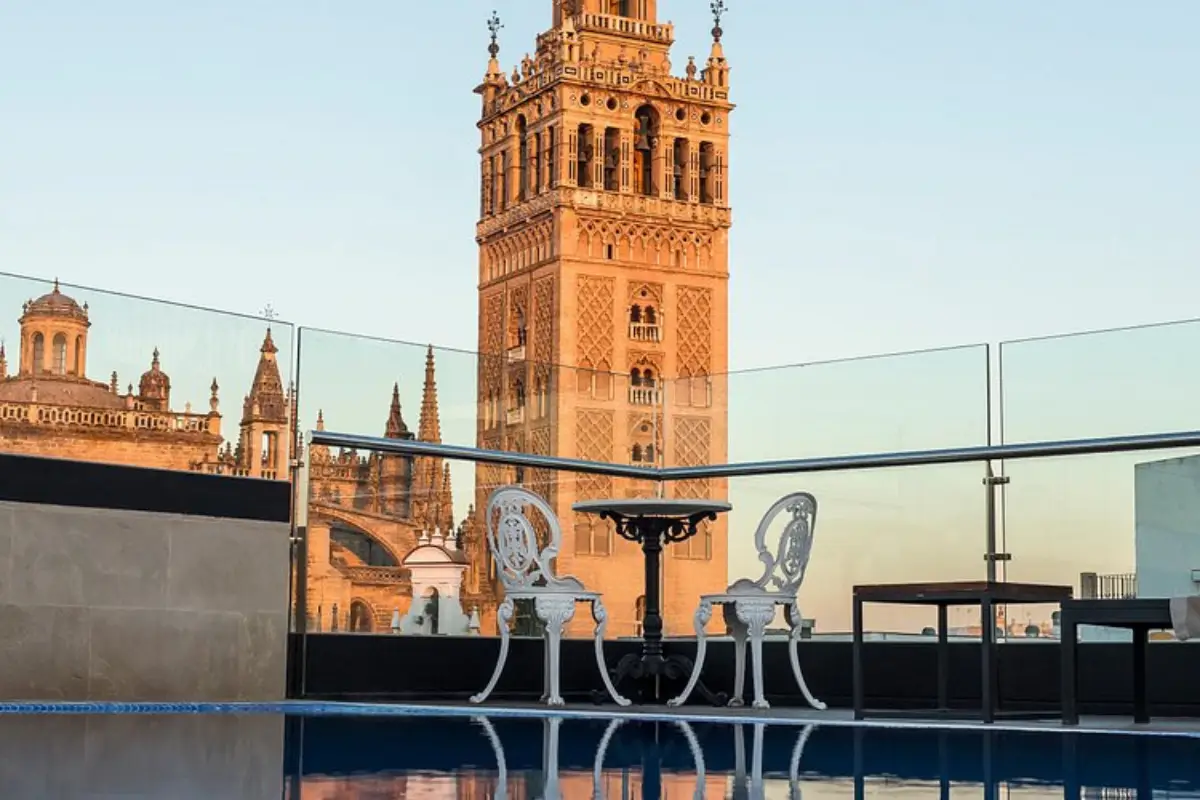
If you're staying overnight, see our full where to stay in Seville guide.
For luxury, Hotel Alfonso XIII is a grand Moorish-style hotel and one of Spain's most famous. Hotel Casa 1800 is a boutique hotel in the old town with a rooftop terrace and Giralda views.
For mid-range, Hotel Amadeus and La Musica is a music-themed boutique with courtyards and a rooftop hot tub. Puerta Catedral Suites offers apartments near the Cathedral.
For budget travellers, La Banda Rooftop Hostel is a stylish hostel with a rooftop terrace. Guesthouses in Alfalfa or Santa Catalina neighbourhoods are also affordable.
The best areas to stay are Barrio Santa Cruz, El Arenal, or near the Cathedral, so you can walk everywhere.
Day Trips from Seville
If you have extra time, Seville is a great base for exploring Andalusia. Check our day trips from Seville guide for the full list.
Cordoba is 45 minutes by train. The Mezquita alone is worth the trip.
Carmona is 30 minutes by car with Roman ruins, castle views, and almost no tourists.
Italica is just 15 minutes away. The Roman amphitheatre is a Game of Thrones filming location.
Ronda is about 2 hours away, with its dramatic gorge and historic bullring.

Hola! I'm the researcher, walker, and co-founder behind Spain on Foot. I help travellers experience Spain authentically, through in-depth guides, locals-only knowledge, and cultural stories you won't find in guidebooks. You can reach me at heidi@spainonfoot.com
Planning a trip to Seville?
Explore Seville Guide→