festivals
Unique Festivals in Spain You Won’t Believe Exist
This post may contain affiliate links, which means I earn a small commission, at no extra cost to you. It helps keep the blog alive, and we really appreciate your support!

You won't beleive some of these festivals still exist.
Every now and then, when we're sitting down to lunch with Spanish friends, someone says something that makes you stop and listen.
Like: "baby jumping festival."
Yes, there really is a baby jumping festival. And it's been happening for centuries.
Is it a huge event? Not really. But is it worth a detour to witness something this unique, with deep roots in tradition? We think so.
To be fair, we've also included some of Spain's better-known festivals, like La Tomatina and San Fermín, just in case you haven't come across them yet. If you're curious about spookier celebrations, don't miss our guide to Halloween in Spain.
P.S. Whenever we make it to one of these unique festivals in Spain, we'll update this post with what we saw and a few pictures. For now, it's a simple list with a bit of info and some links to help you decide if it deserves a spot on your next adventure.
We hope you enjoy the list.
Compare hotel prices in Spain
Find the best deal across booking sites
Unique Spanish Festivals You Probably Never Heard Of
El Colacho – Castrillo de Murcia
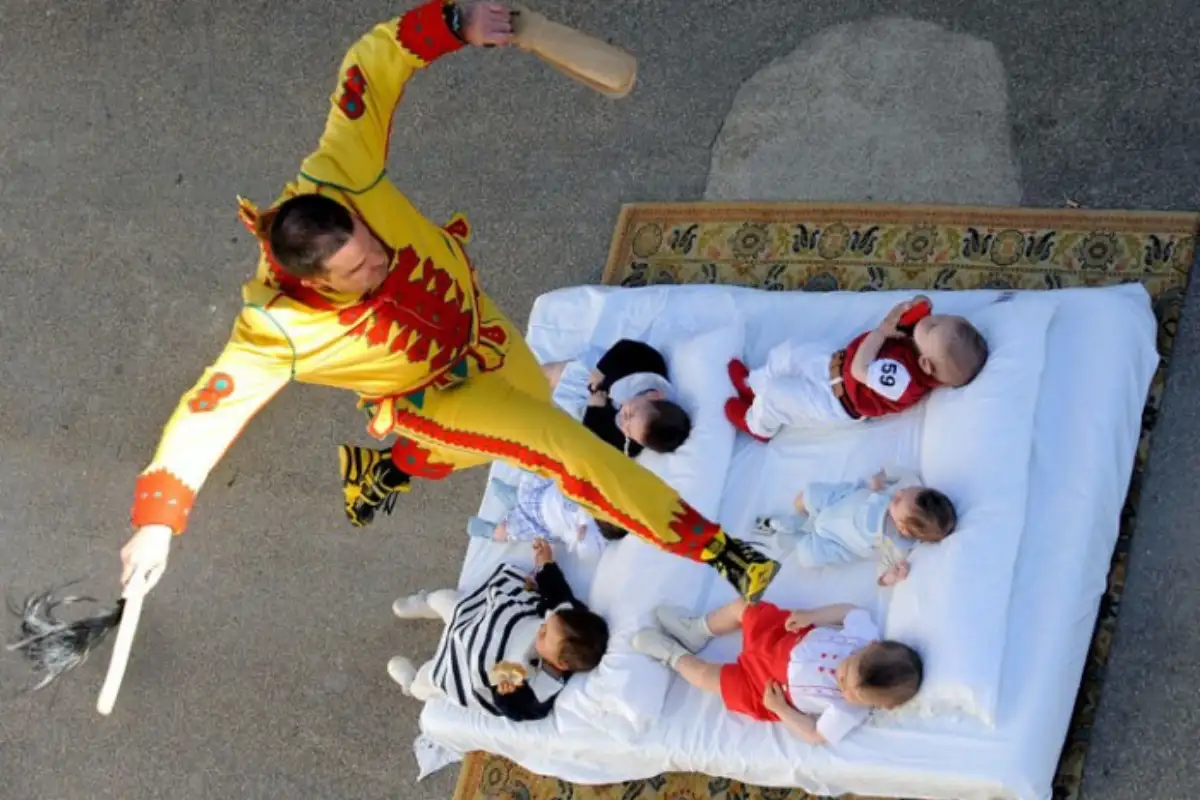
Date: Early June
This one is truly out there.
Picture grown men dressed as devils, leaping over rows of babies lying on mattresses. Welcome to El Colacho.
Held in the village of Castrillo de Murcia, this centuries-old tradition is believed to ward off evil spirits and bring good luck. It's a strange blend of religious ritual and daredevil performance.
The custom dates back to the 1600s and is meant to cleanse newborns of original sin. And yes, according to Google, no babies have ever been hurt.
It's bizarre, it's bold, and it's something you have to see to believe.
Fiesta de Santa Marta de Ribarteme – Las Nieves
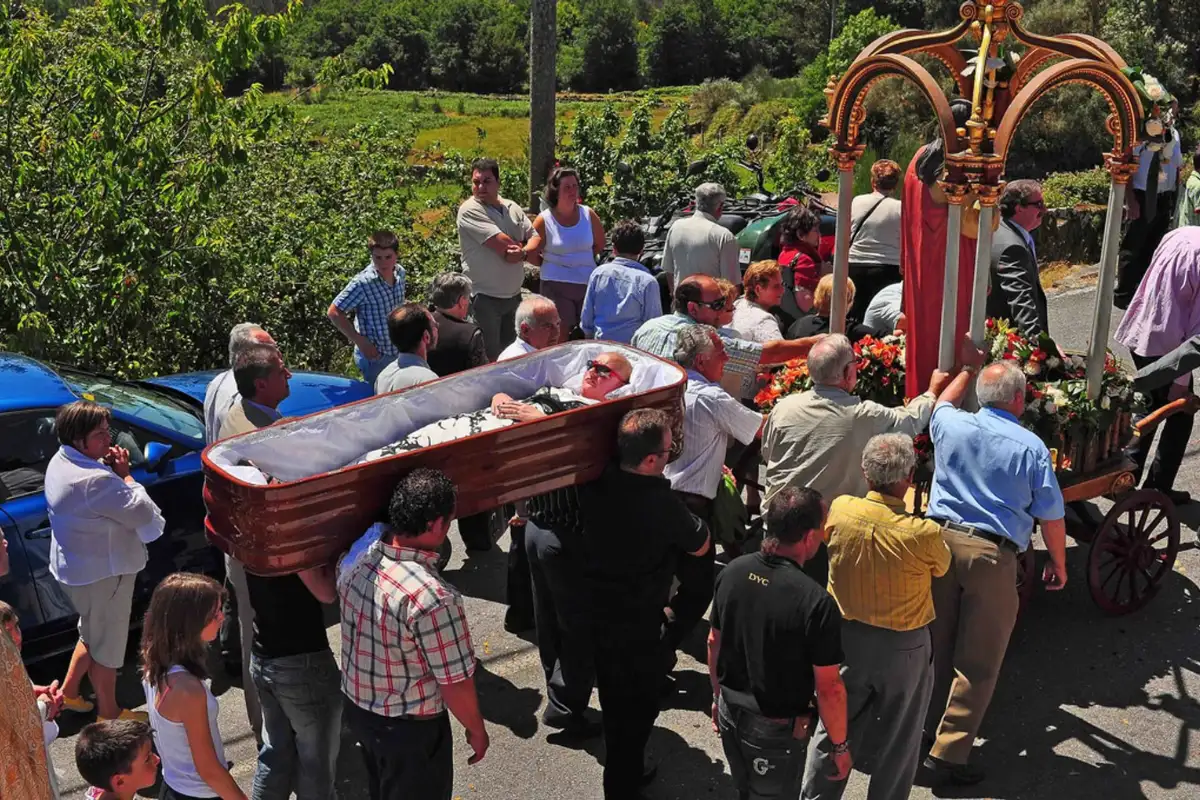
Date: July 29th
Ever wondered what it's like to attend your own funeral? In the town of Las Nieves, people who've had near-death experiences climb into coffins and are carried through the streets in a strange but heartfelt procession.
It's their way of giving thanks for surviving a brush with death. Watching people parade by in open coffins is surreal, but the meaning behind it is powerful.
Despite the theme, this isn't a sombre event. It's a celebration of life, complete with music, fireworks, and plenty of food.
Entroido – Laza, Galicia
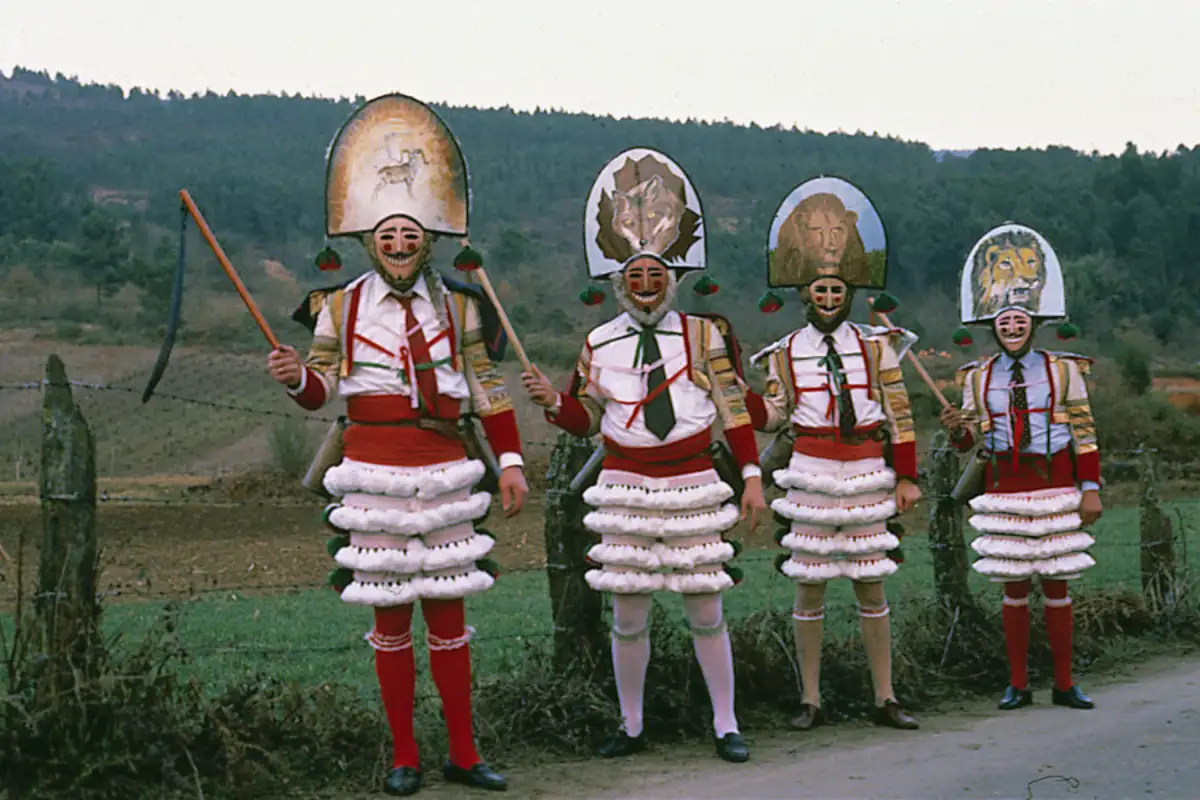
Date: February (Carnival Season)
Entroido in Laza isn't your typical carnival. Here, the celebration gets wild with flying mud and angry ants.
Locals smear themselves in mud, then chase each other through the streets.
Others collect ants, give them a good shake to rile them up, and toss them at unsuspecting passersby. It's messy, itchy, and completely off the wall.
If you go, be ready to get dirty. Wear old clothes and maybe pack some insect repellent, just in case.
La Fiesta de Los Enharinados – Ibi, Alicante
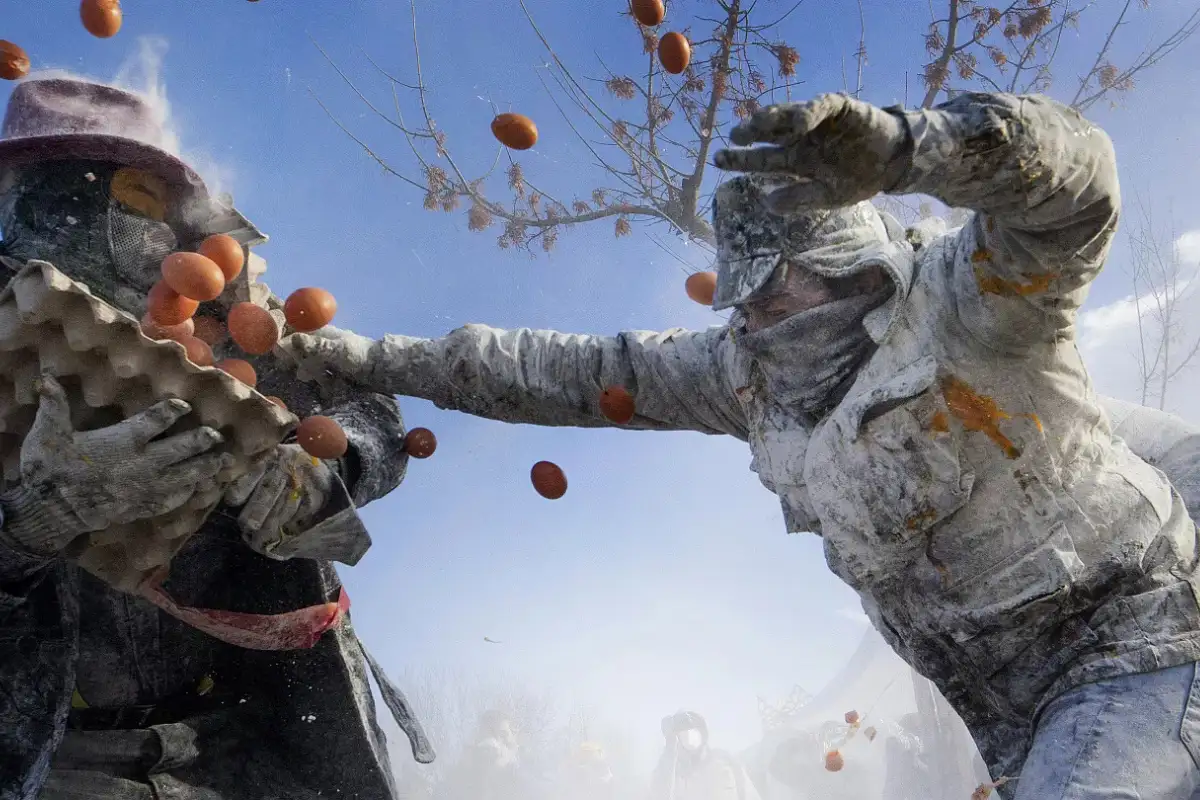
Date: December 28th
Who doesn't love a good food fight? In the town of Ibi, they take it to the next level with a full-blown battle of flour and eggs.
It's a day of chaos where locals stage a playful coup and "fight" for control of the town.
Expect white clouds of flour, eggs flying through the air, and plenty of shouting and laughter. It's messy, loud, and seriously fun.
If you go, bring a bandana to cover your nose and mouth. Breathing in flour all day isn't as fun as it sounds.
La Rapa das Bestas – Galicia
Date: First weekend of July
In Galicia, things get a little wild. Literally.
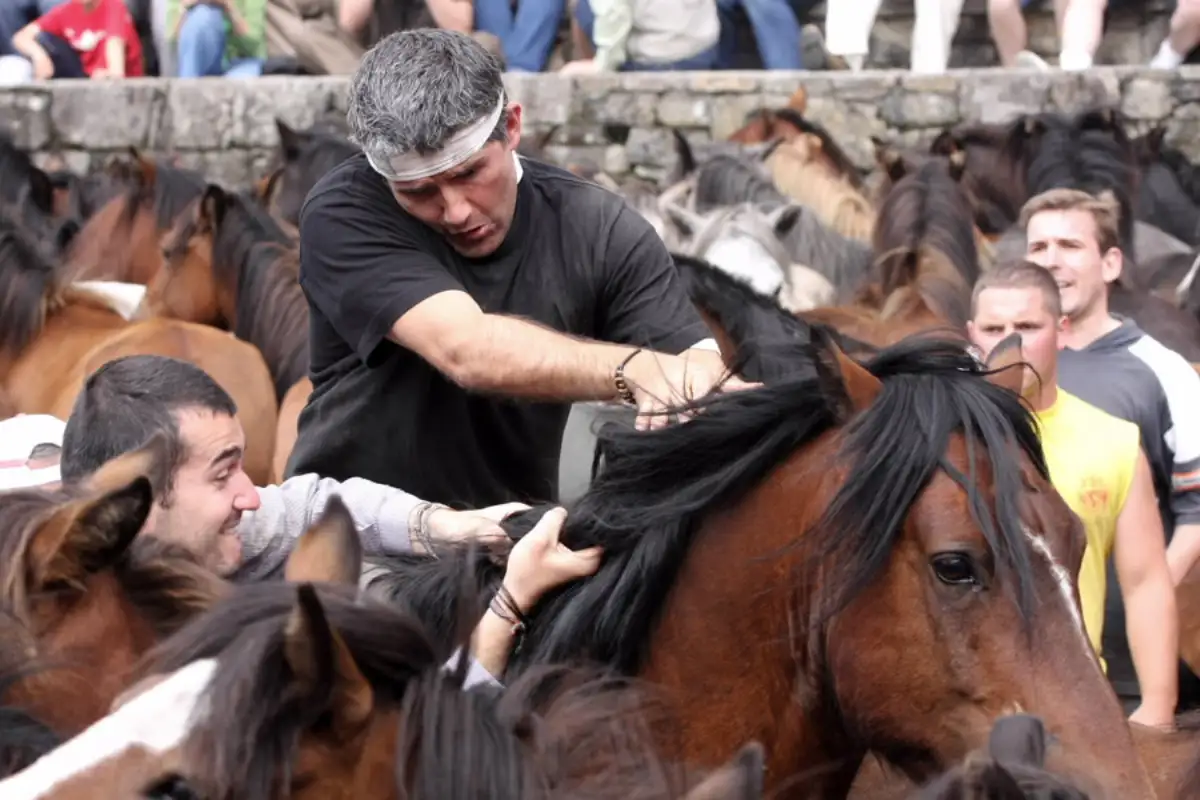
La Rapa das Bestas is a centuries-old tradition where locals wrestle wild horses to the ground to trim their manes and tails. Galicia is home to around 10,000 wild horses today, though it used to be closer to 22,000.
During the event, the animals are herded into town, and the trimming is done entirely by hand, with no ropes, no tools, just strength and tradition.
It's a dramatic and deeply rooted ritual that draws plenty of visitors each year.
To be honest, I'm still not sure how I feel about it. It's intense, physical, and unlike anything else you'll see in Spain.
Los Escobazos – Jarandilla de la Vera
Date: December 7th
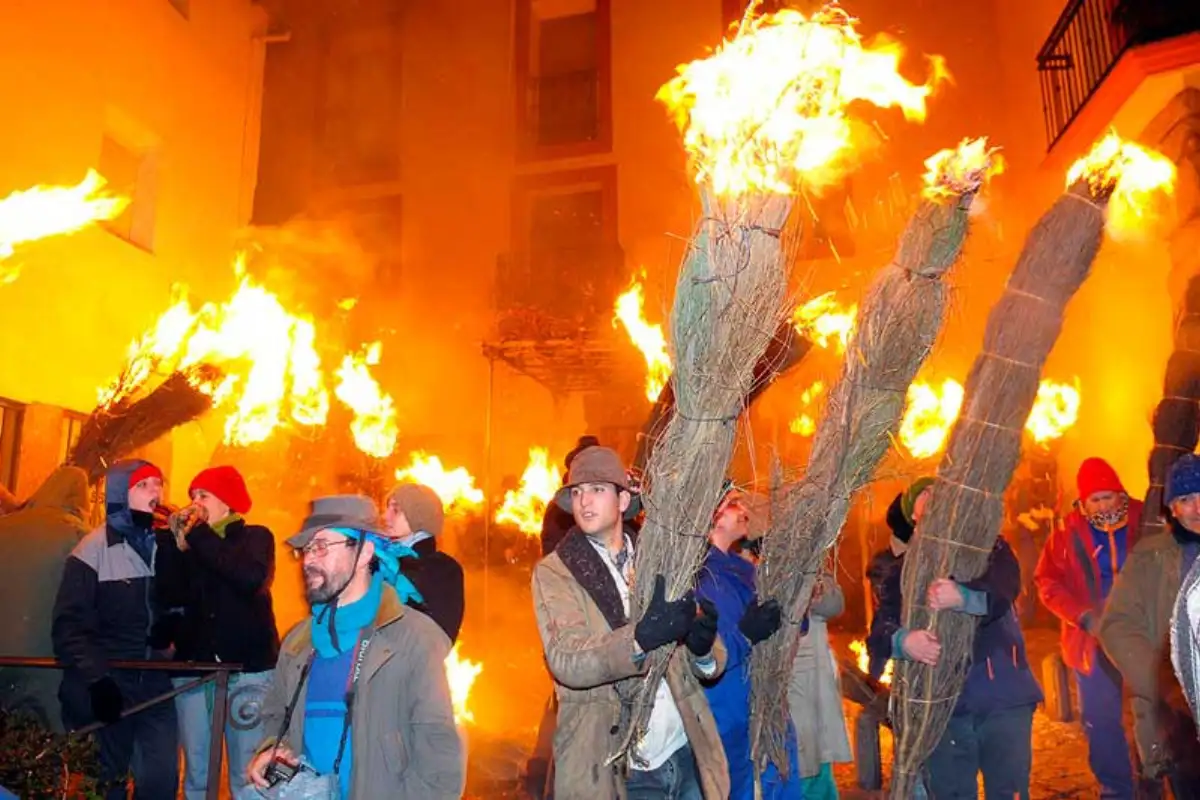
Ever fancied a playful whack with a flaming broom? In Jarandilla de la Vera, locals celebrate Los Escobazos by lighting bundles of branches and tapping each other on the legs in a fiery, good-natured tradition.
It's said to release sadness and bring people together through a burst of wild, smoky celebration. What starts with flames ends in music, dancing, and shared laughter.
Safety tip: It might sound intense, but it's all done in good spirits. Injuries are rare, and locals take care to keep things fun, not dangerous.
Batalla del Vino – Haro, La Rioja
Date: June 29th
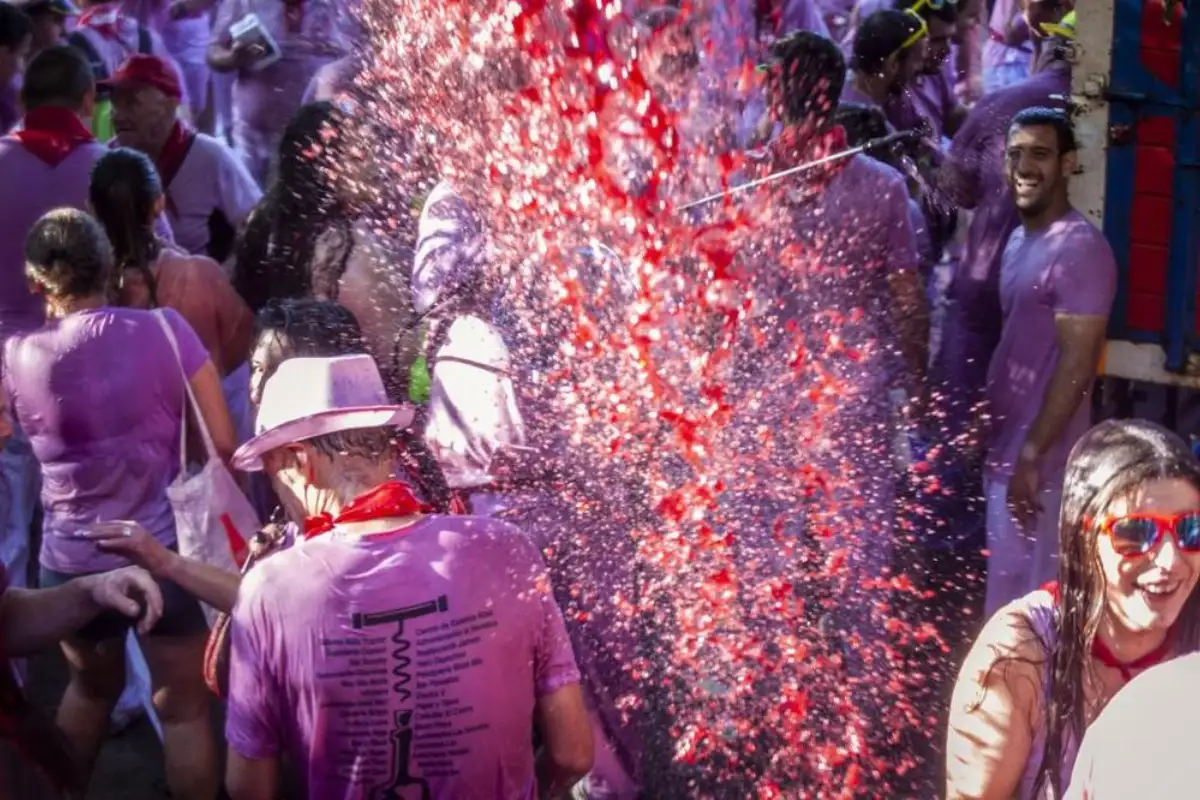
Wine lovers, this one's for you. In Haro, the Batalla del Vino is a full-scale wine fight where locals and visitors soak each other in red wine.
Dressed in white, participants arm themselves with buckets, bottles, and water guns filled with vino. The result? A wild, purple-stained party that takes over the town.
Tip: Wear white clothes you don't mind ruining. You'll be drenched in wine and loving every second of it.
La Vijanera – Silió, Cantabria
Date: First Sunday of January
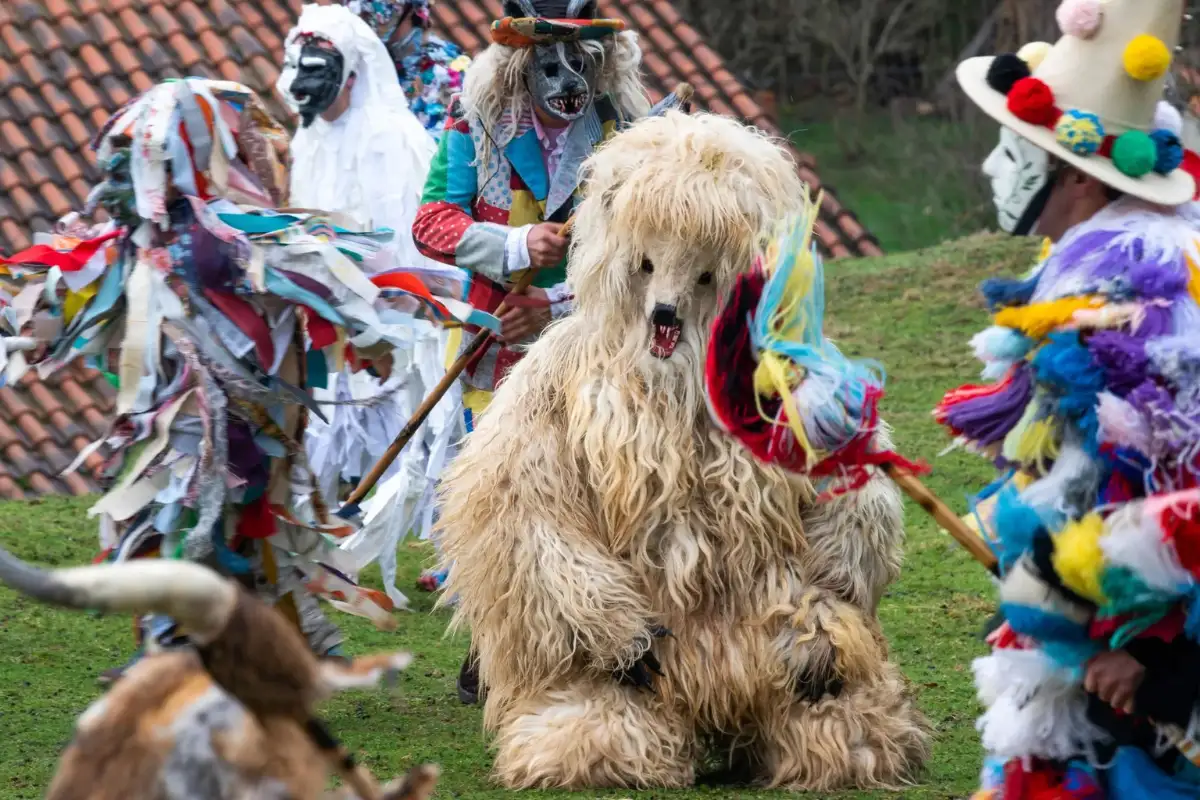
La Vijanera marks the start of the new year with a colourful masquerade rooted in tradition and symbolism. Held in the village of Silió, the festival features characters that represent the forces of good and evil.
Locals dress in elaborate costumes and masks, parading through the streets to chase away bad spirits and welcome good fortune.
One of the most striking figures is the "zarramacos," men dressed in black and covered with bells, who jump and shout to ward off negativity.
Romería Vikinga – Catoira, Galicia
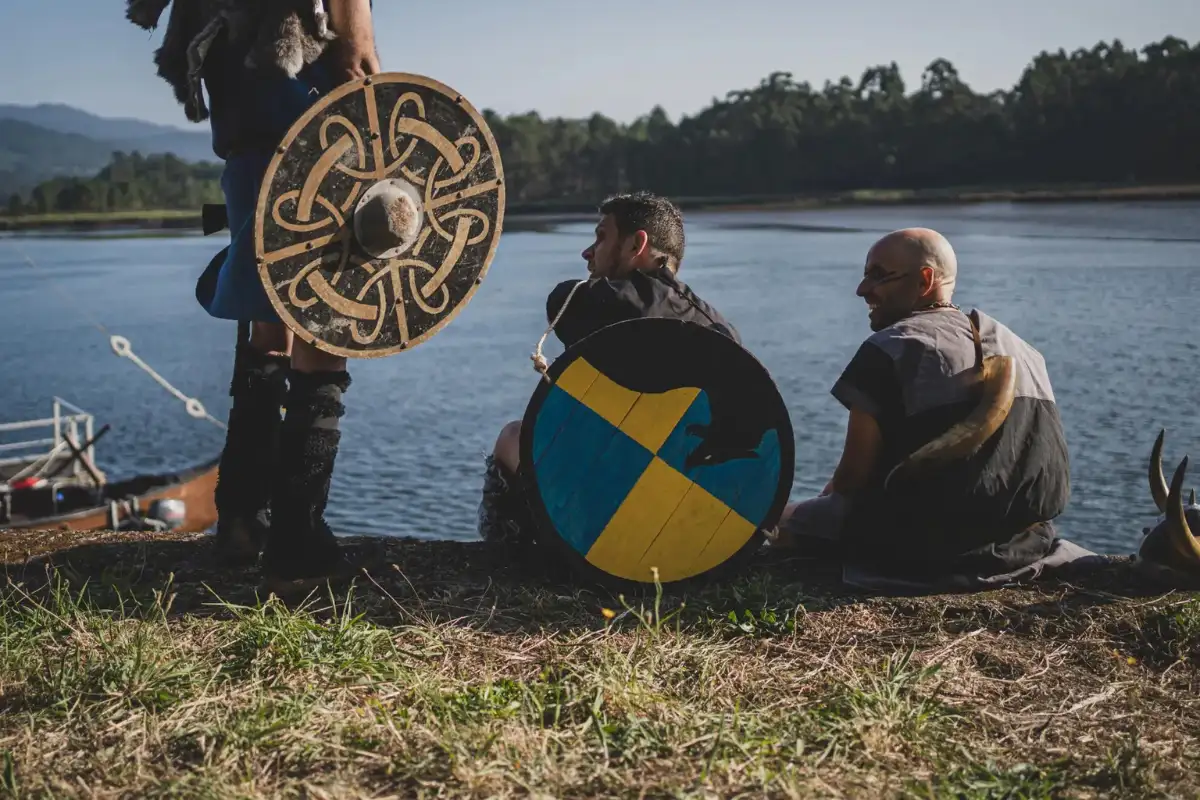
Date: First Sunday of August
In a nod to its Viking past, the town of Catoira hosts a lively reenactment where locals dressed as Vikings arrive by ship and stage a mock battle with the townspeople.
The event celebrates both history and community spirit. Expect music, laughter, and the occasional splash of wine during the friendly skirmishes.
It's festive, fun, and a great way to experience a unique slice of Galician heritage.
Danza de los Zancos – Anguiano, La Rioja
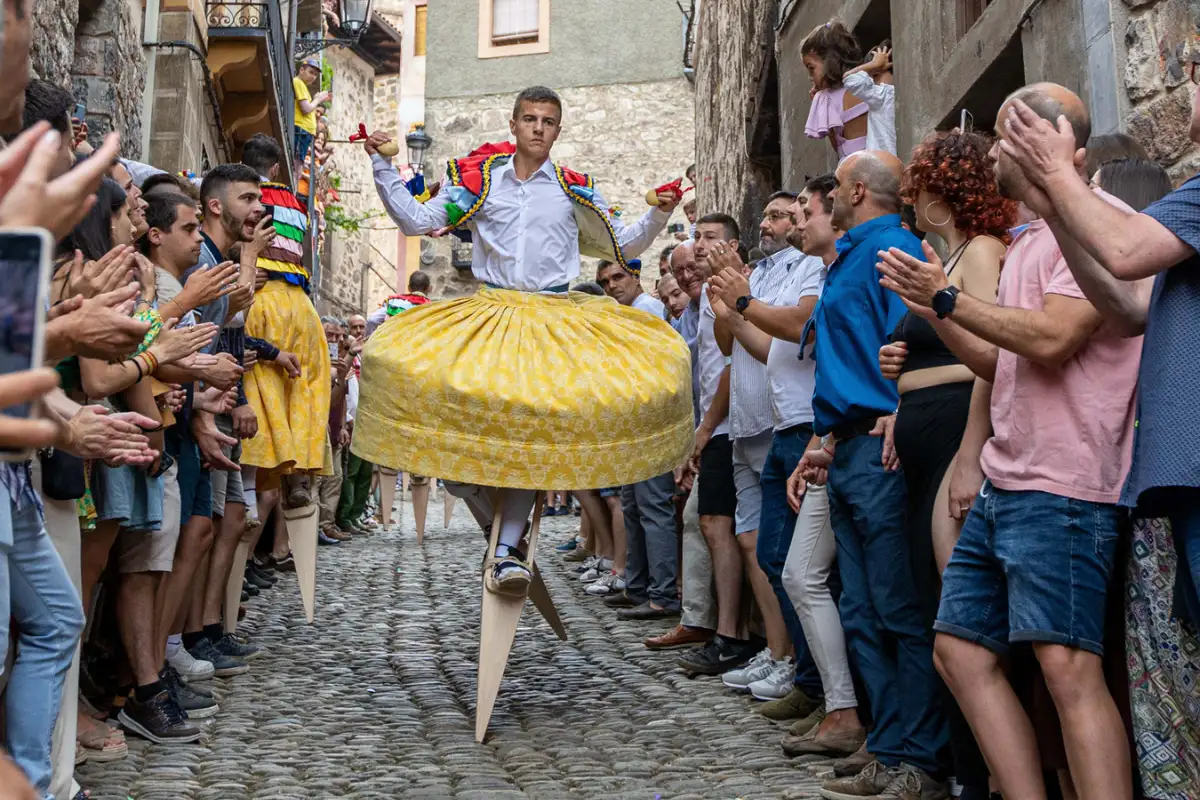
Date: Late June
In Anguiano, dancers take to the streets on tall wooden stilts, spinning at high speed down a steep cobblestone slope. This centuries-old tradition honours Saint Mary Magdalene and puts both balance and courage to the test.
If you go, find a good vantage point and keep your distance. Those spinning stilts have been known to clip an unsuspecting spectator or two.
El Entierro de la Sardina (Burial of the Sardine)
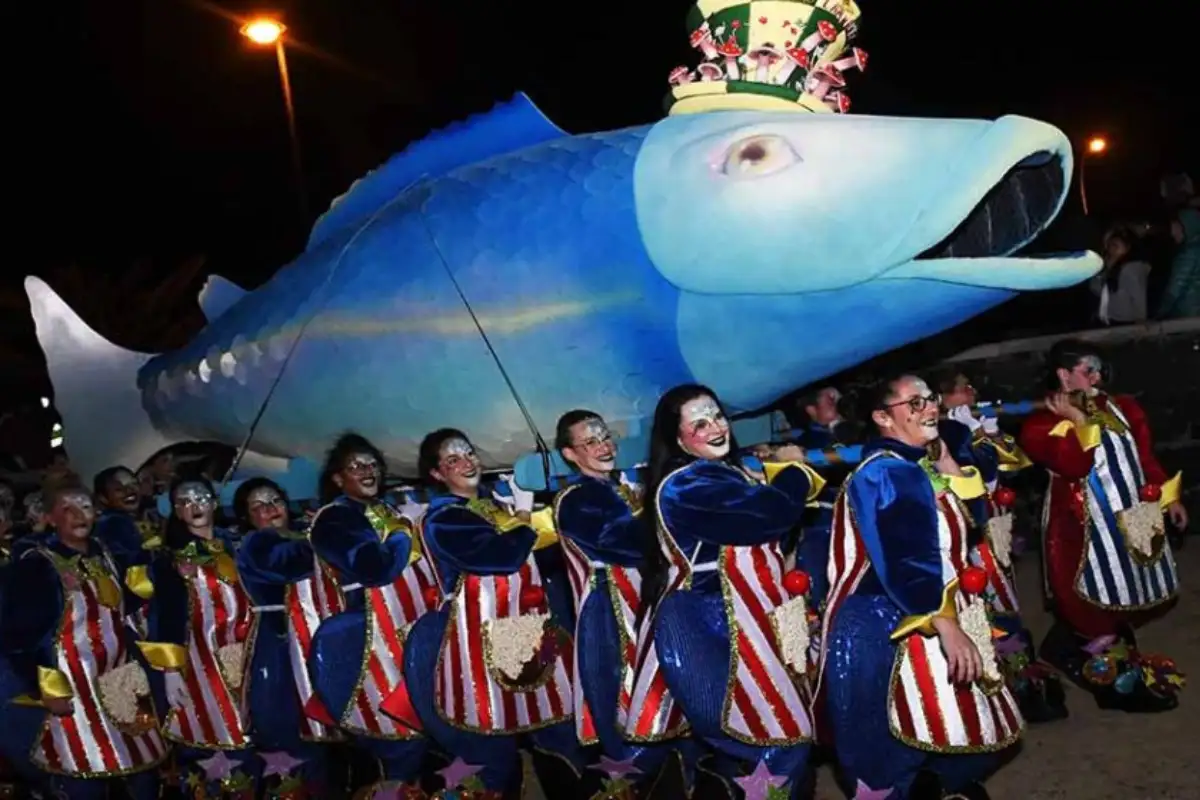
Date: Ash Wednesday (End of Carnival)
If you think funerals are always sombre, think again. El Entierro de la Sardina is a theatrical mock funeral where a giant papier-mâché sardine is paraded through the streets and then set on fire.
This quirky tradition marks the end of Carnival and the start of Lent, blending satire, music, and over-the-top costumes in a celebration that's anything but quiet.
Be sure to catch the final bonfire, when the sardine goes up in flames amid fireworks, music, and a wild farewell to indulgence.
La Patum de Berga – Berga, Catalonia
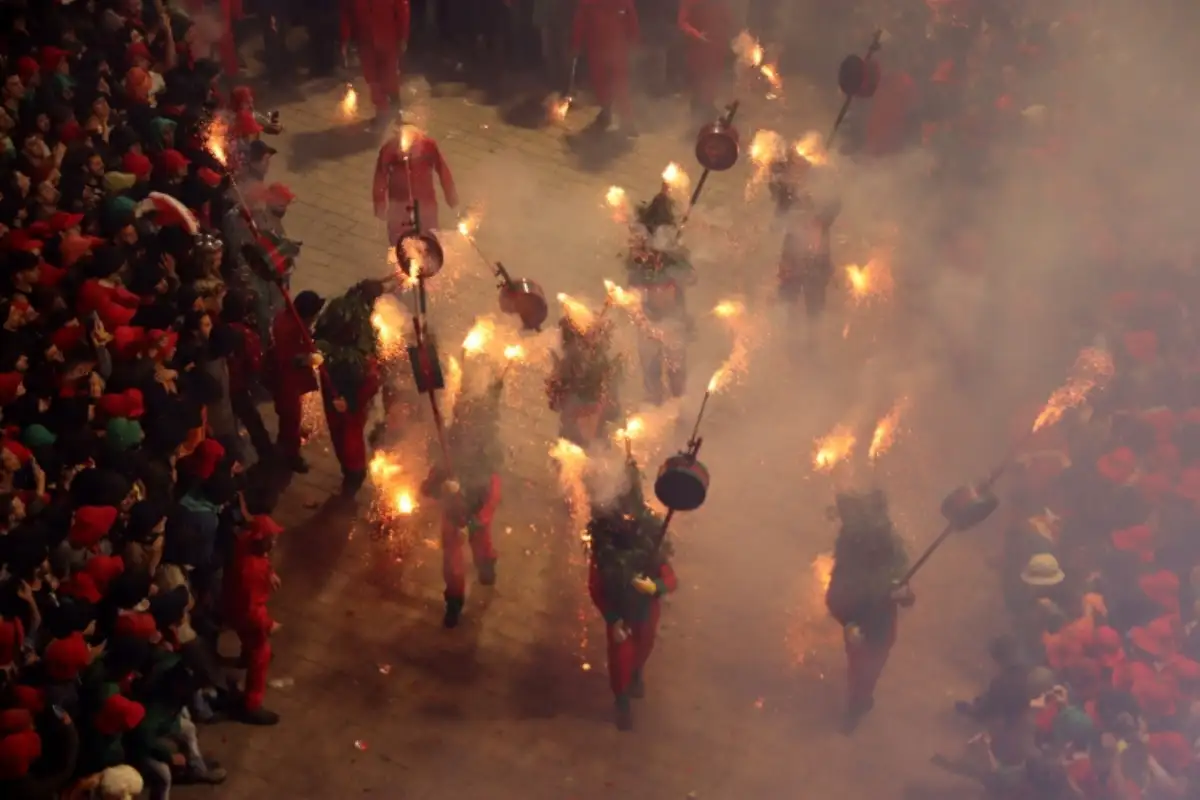
Date: During Corpus Christi (May or June, varies yearly)
La Patum de Berga is a high-energy festival that transforms this Catalan town into something out of a medieval dream. The streets fill with towering papier-mâché figures, fire-spitting creatures, and relentless drumming that echoes through the night.
Performers in elaborate, devilish costumes move through the crowd as bursts of fire and sparks light up the sky. It's part Catholic celebration, part wild pagan ritual, and entirely unforgettable.
Don't miss the Salt de Plens, when costumed figures with fireworks strapped to them fill the square with a storm of sparks. It's loud, chaotic, and absolutely breathtaking.
El Día de los Inocentes – Nationwide
Date: December 28
Spain's take on April Fool's Day, El Día de los Inocentes, is all about pranks, hoaxes, and lighthearted mischief. Though its origins come from a biblical story about King Herod and the massacre of innocent children, the modern celebration is far more playful than sombre.
Expect everything from simple jokes to elaborate tricks that keep everyone guessing. Even major news outlets get in on it, publishing fake stories that leave readers double-checking the headlines.
No one is off-limits, so stay sharp or risk being the punchline.
And The Festivals You May Have Heard Of
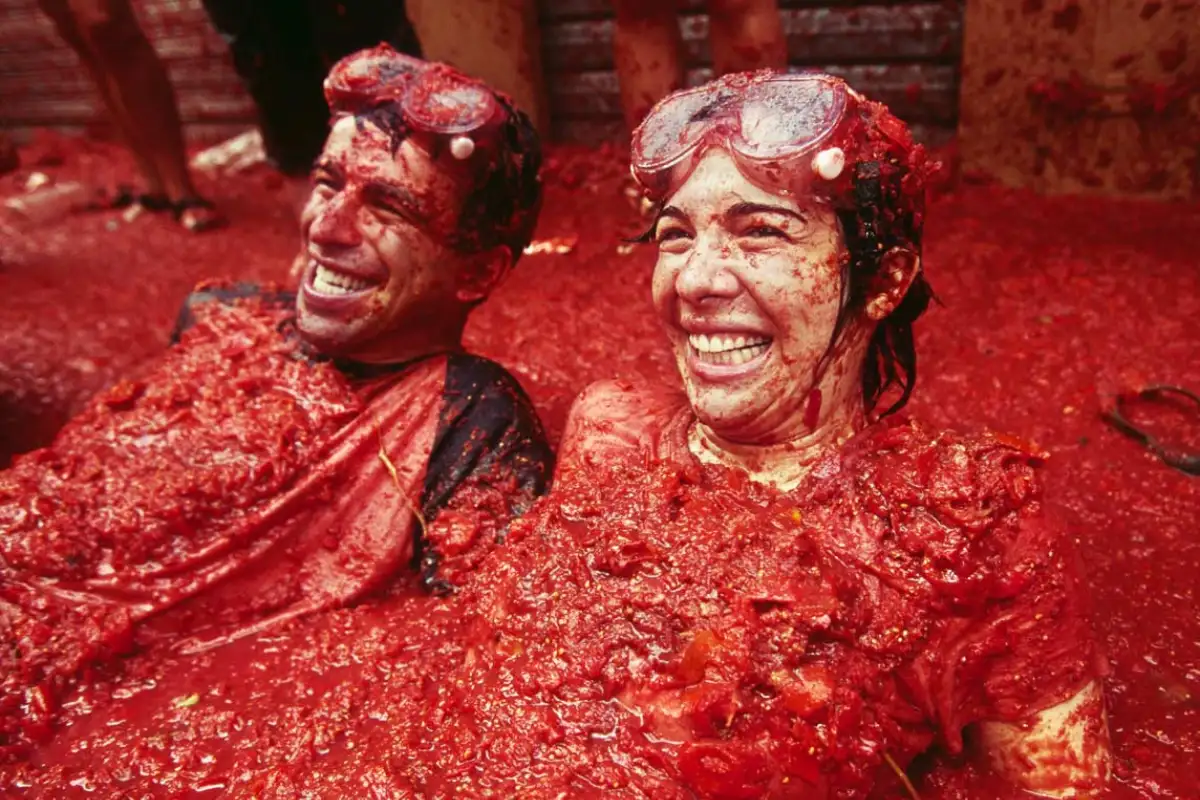
La Tomatina – Buñol
Date: Last Wednesday of August
Imagine this: a small town painted red, not by sunsets, but by thousands of flying tomatoes.
La Tomatina in Buñol is the world's biggest food fight, and it's every bit as messy as it sounds. Armed with overripe tomatoes, participants launch into a chaotic, hour-long battle that leaves the streets, and everyone in them, soaked in pulp.
It's wild, sticky, and completely ridiculous in the best possible way.
Tip: Wear old clothes and protective goggles unless you fancy tomato pulp in your eyes.
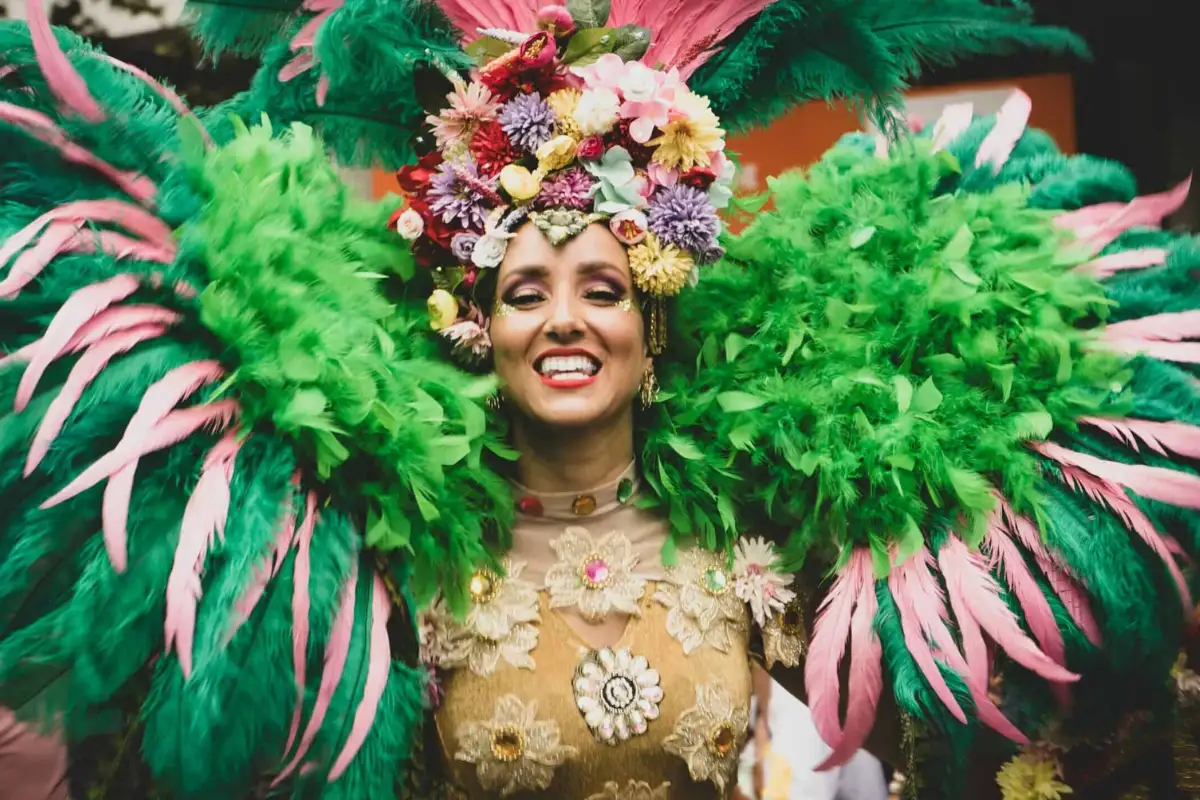
Carnaval de Cádiz – Cádiz
Date: February or March (varies with Lent)
When it comes to wit and humour, the Carnaval de Cádiz stands out. This Andalusian city celebrates with sharp satire, clever songs, and over-the-top costumes that leave no topic off-limits.
Groups known as chirigotas perform comedic musical acts in the streets, poking fun at politics, pop culture, and everyday life. It's a festival where laughter leads the way, and the more outrageous the costume, the better.
Don't Miss: The "chirigotas" – groups performing humorous and often cheeky songs about current events.
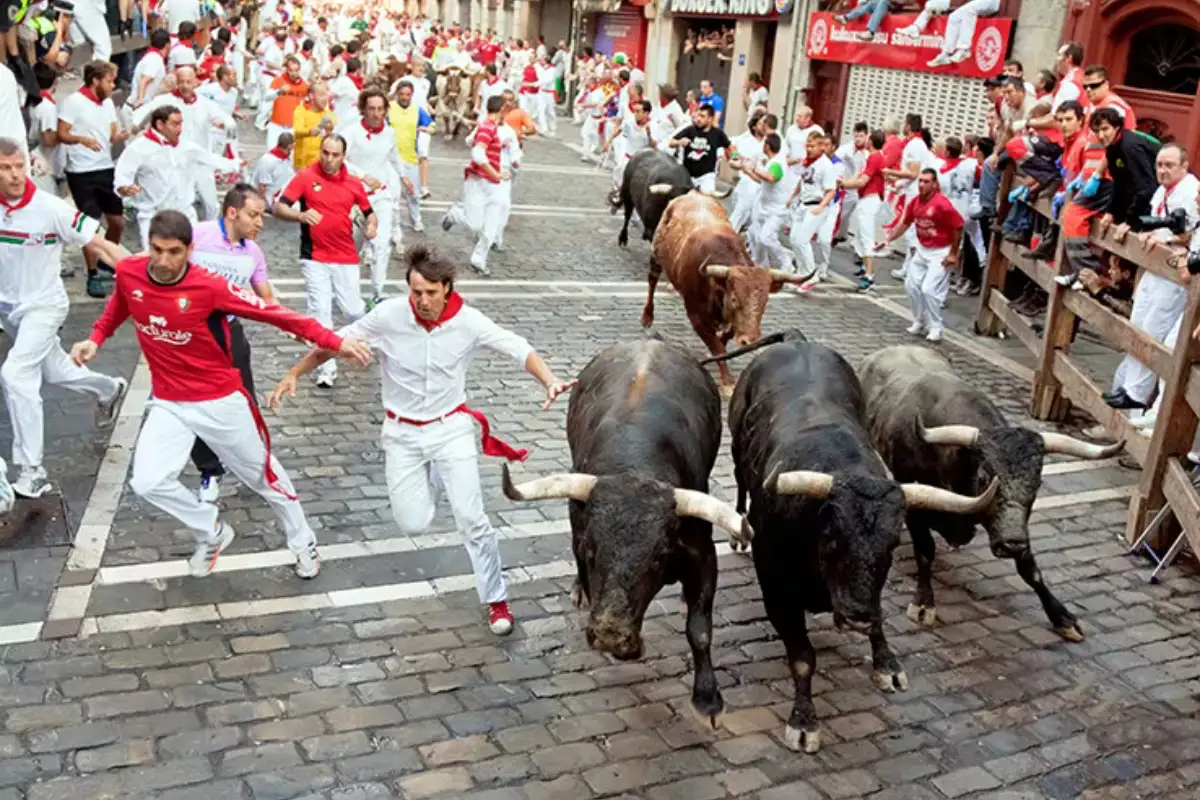
The Running of The Bulls - San Fermin
Date: July 6–14
Few festivals match the adrenaline rush of San Fermín. Each morning in Pamplona, runners sprint through narrow streets alongside half-ton bulls in one of the world's most iconic and intense events.
But the festival is more than just the bull run.
It's a week-long celebration packed with parades, traditional dances, fireworks, and plenty of sangria. The energy is nonstop, day and night.
Don't miss: The "Chupinazo" on July 6, when a rocket is fired from the town hall to officially kick off the madness.
Las Fallas – Valencia
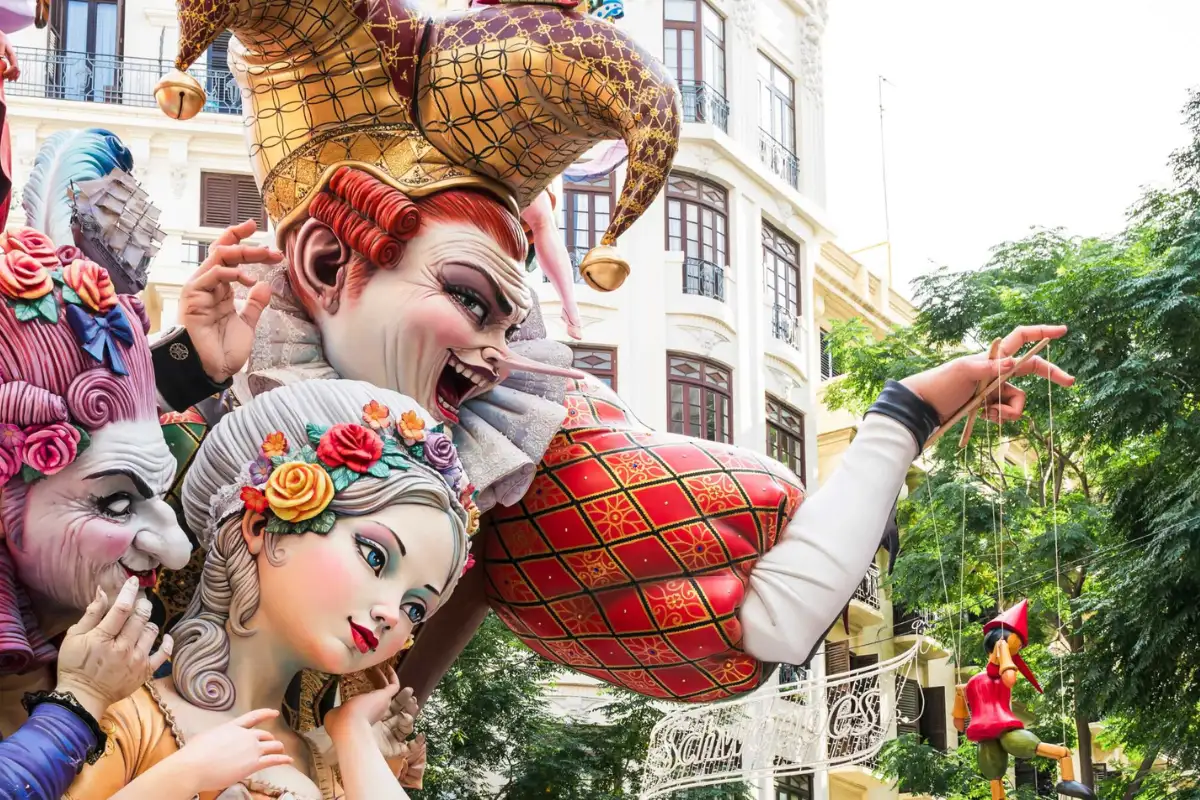
Date: March 15–19
Las Fallas is one of Spain's most spectacular festivals.
In the streets of Valencia, massive, hand-crafted sculptures known as fallas tower over the crowds. Many are satirical, poking fun at celebrities, politicians, or current events.
They're on display for several days before the grand finale, when every sculpture is set on fire in a dramatic nighttime blaze. The mix of fire, art, and nonstop fireworks turns the city into a breathtaking, chaotic celebration.
Don't miss La Cremà on March 19, when the fallas are burned to the ground in a fiery farewell, lighting up the night sky in an unforgettable spectacle.
Why You Should Go
Festivals in Spain are wild, fun, and packed with history and tradition. Where else can you see grown men jump over babies or get into a tomato fight with complete strangers?
If you're planning a trip, make sure to check the festival calendar (we're hoping to have our own up soon). Timing your visit around festivals? Our guide to the best time to visit Spain can help you plan.
These events aren't just parties. They're full-on experiences that will leave you laughing, amazed, and maybe a little confused. But that's part of the charm. For flower lovers, check out Spain's flower festivals for a more colourful celebration.
So, are you brave enough to jump into the madness? Which one would you go to? Let us know in the comments!
If you need help putting together your trip, read our guide to planning the perfect Spanish itinerary. And before you go, make sure to download the essential travel apps for Spain.

Hola! I'm the researcher, walker, and co-founder behind Spain on Foot. I help travellers experience Spain authentically, through in-depth guides, locals-only knowledge, and cultural stories you won't find in guidebooks. You can reach me at heidi@spainonfoot.com