getting-around
Walking in Malaga: A Complete Guide to Exploring on Foot
This post may contain affiliate links, which means I earn a small commission, at no extra cost to you. It helps keep the blog alive, and we really appreciate your support!

Malaga's historic centre is compact, flat, and pedestrianised. Here's how to explore it on foot.
Is Malaga walkable? Absolutely. It's one of the most walkable cities in Spain.
The historic centre is compact, mostly flat, and largely pedestrianised. You can walk from the Cathedral to the beach in 15 minutes, visit three museums without catching a bus, and explore Roman ruins, Moorish fortresses, and modern art galleries all on foot.
We live in the centre and walk everywhere. No car needed.
The historic centre takes about 25 minutes to cross end-to-end. The terrain is mostly flat, except for the climb to the Alcazaba. Calle Larios, Malaga's main street, is fully pedestrianised. The beach is 15 minutes from the centre, and non-slip shoes are worth packing because the marble sidewalks get slippery.
Here's everything you need to know about exploring Malaga on foot.
Is Malaga a Walkable City?
Yes. Malaga is one of the most walkable cities in southern Spain, and most visitors never need public transport. The centre is compact, flat, and designed for pedestrians.
| Factor | Details |
|---|---|
| Size | Historic centre: 25 minutes end-to-end |
| Terrain | Mostly flat (one hill to Alcazaba/Gibralfaro) |
| Pedestrian zones | Calle Larios and surrounding streets car-free |
| Attractions | Most within 15-20 minutes of each other |
| Beach access | 15 minutes from Plaza de la Constitucion |
The only significant climb is up to the Alcazaba and Gibralfaro Castle, which offer some of the best viewpoints in Malaga. Everything else is flat.
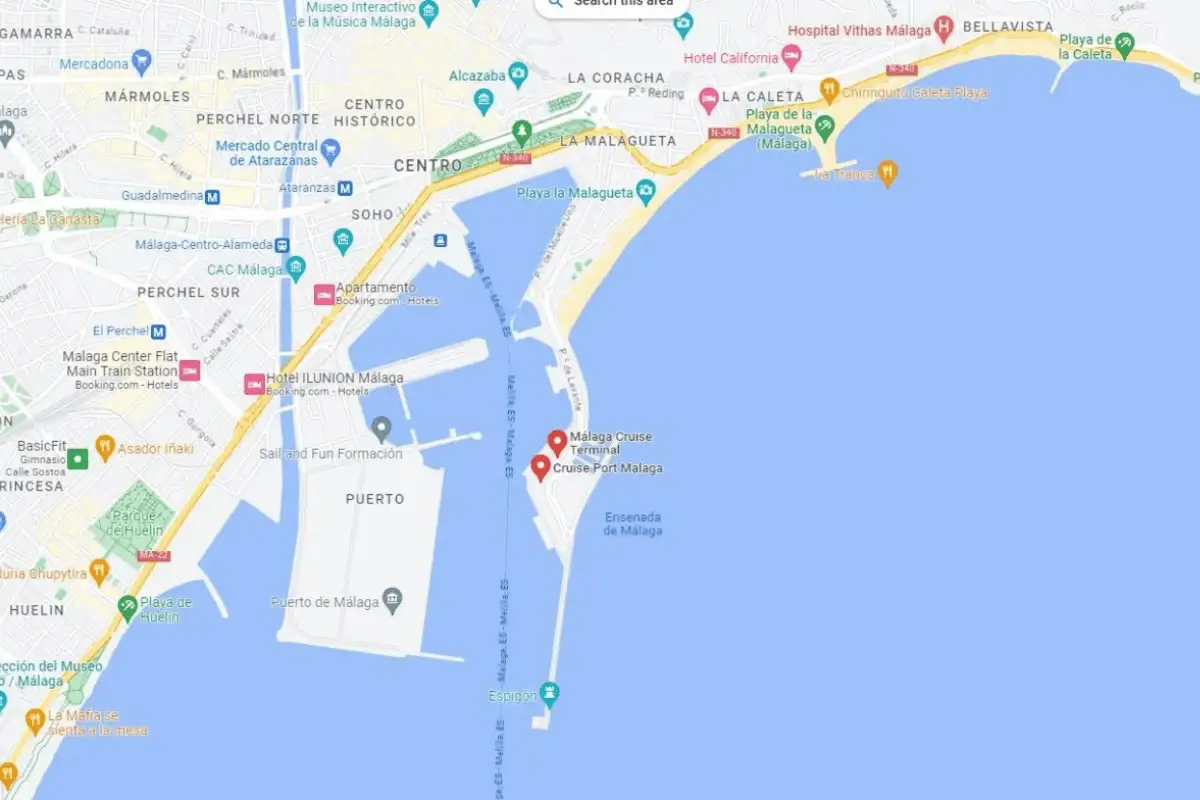
Walking Distances in Malaga
Here's how long it takes to walk between major attractions:
| From | To | Distance | Walking Time |
|---|---|---|---|
| Cathedral | Picasso Museum | 300m | 4 mins |
| Picasso Museum | Alcazaba entrance | 200m | 3 mins |
| Cathedral | Roman Theatre | 350m | 5 mins |
| Calle Larios | Atarazanas Market | 400m | 5 mins |
| Plaza de la Constitucion | La Malagueta Beach | 1.2km | 15 mins |
| Muelle Uno | Alcazaba | 600m | 8 mins |
| Centre | Pedregalejo beaches | 4km | 50 mins (or bus) |
| Centre | Soho district | 800m | 10 mins |
The historic centre is so compact that you'll often pass the same landmarks multiple times in a day. Use this to your advantage: spot a tapas bar in the morning and return for lunch.
Is Malaga Flat or Hilly?
Malaga is mostly flat. The historic centre, beaches, and port are all at sea level, so walking around the main attractions involves very little climbing.
The one exception is the Alcazaba and Gibralfaro Castle, which sit on a steep hill above the Roman Theatre. The walk up takes about 15-20 minutes and the path is paved but steep in places. If you'd rather skip the climb, you can take a taxi or bus up to Gibralfaro and walk down instead.
Granada is much hillier by comparison, with the Albaicin district full of steep, cobbled streets. Malaga is far easier on the legs.
Self-Guided Walking Route: Historic Centre
This route covers Malaga's main attractions in a logical loop. Allow 3-4 hours with stops, or a full day if you enter the museums.
Total walking distance: approximately 3km Total time: 3-6 hours depending on museum visits

Start at Plaza de la Marina, the main tourist information point near the port. This is where most walking tours begin. The port is behind you, the historic centre ahead.
From here, wa*, Malaga's main pelk up **Calle Larios*destrian street. It's lined with shops and cafes. In summer, shade canopies cover the street. This is where the city gathers for festivals, Christmas lights, and Semana Santa processions.
At the top you'll reach Plaza de la Constitucion, the heart of Malaga since Moorish times. Cafes line the square. Look for the Genoa Fountain in the centre.
Take a short detour west to Atarazanas Market. The building itself is worth seeing, with its Moorish archway entrance. Inside you'll find fresh seafood, produce, olives, and tapas bars.
Head back east along Calle Granada, a shopping street leading toward the museums. Continue to the Picasso Museum, housed in the 16th-century Buenavista Palace. Even if you don't go inside, the building and courtyard are beautiful. Picasso was born one block away in Plaza de la Merced.
Plaza de la Merced is one of Malaga's loveliest squares. Picasso's birthplace is on the corner (now a museum). The obelisk in the centre honours General Torrijos. Cafes and restaurants surround the square.
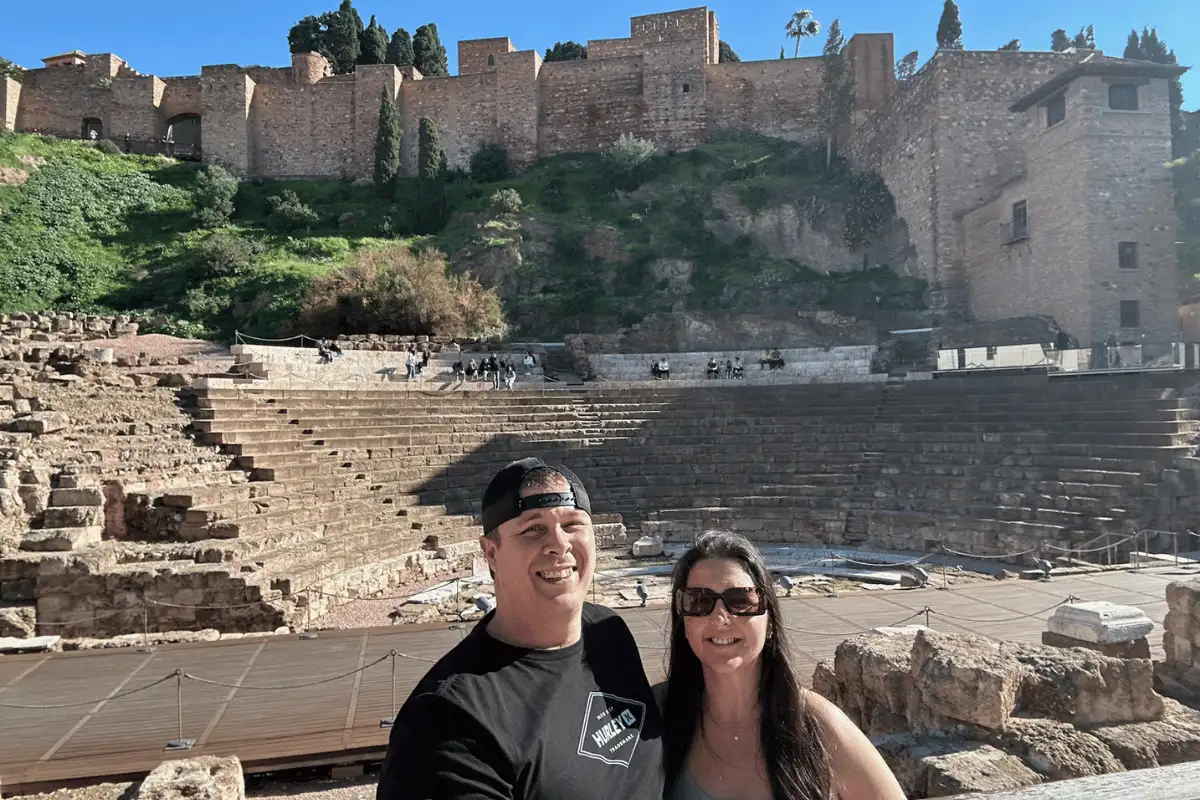
Walk south to the Roman Theatre, free to view from the street. These 1st-century AD ruins were only rediscovered in 1951 during construction work. The Moors later used stones from this theatre to build the Alcazaba above.
If you're up for the climb, head into the Alcazaba, the Moorish fortress above the Roman Theatre. The views from the top are worth the effort, and the gardens are peaceful.
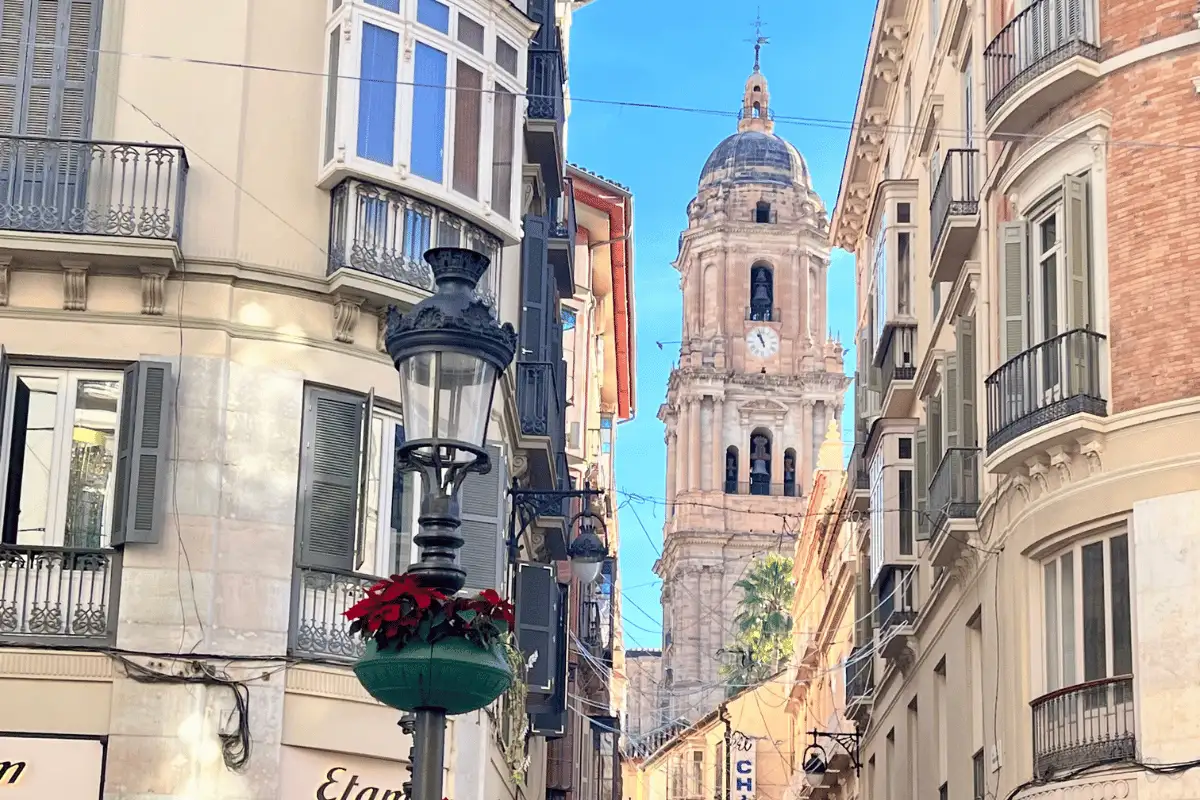
Loop back to the Cathedral, known as "La Manquita" (the one-armed lady) because one tower was never finished when funds ran out in the 17th century. The rooftop tour offers panoramic views.
Finish at Muelle Uno, the port's modern waterfront development. Restaurants, the Pompidou Centre, and views of the Alcazaba lit up at night.
Walking Route: Beach Promenade
For a different experience, walk Malaga's seafront from west to east.
| Section | Distance | What You'll See |
|---|---|---|
| Misericordia Beach to Port | 2km | Western beaches, La Farola lighthouse |
| Port to La Malagueta | 1km | Muelle Uno, Pompidou Centre, marina |
| La Malagueta to Pedregalejo | 3km | City beach, Banos del Carmen, chiringuitos |
| Pedregalejo to El Palo | 2km | Traditional fishing neighbourhood, more chiringuitos |
Total distance: 8km one way Walking time: 2 hours without stops
This route is flat and follows dedicated promenades most of the way. It's ideal for morning walks before the heat.
How Malaga Compares to Other Spanish Cities
| City | Walkability | Notes |
|---|---|---|
| Malaga | Excellent | Compact, flat, pedestrianised centre |
| Valencia | Excellent | Similar size, flat, good promenades |
| Seville | Good | Walkable centre but spread out, cobblestones |
| Barcelona | Moderate | Gothic Quarter walkable, but city is sprawling |
| Madrid | Moderate | Some walkable areas, but often need metro |
| Granada | Good | Compact but hilly (Albaicin is steep) |
Malaga and Valencia are the most similar in terms of walkability. Both are flat, compact, and have excellent seafront promenades.
Walkable Neighbourhoods
Historic Centre (Centro)
The most walkable area. Entirely pedestrianised around Calle Larios. All major museums, the Cathedral, and most restaurants are here. See our Old Town guide for more details.
Soho
Malaga's arts district, 10 minutes south of the centre. Street art murals, CAC contemporary art museum, and trendy cafes. Flat and easy walking.
La Malagueta
The beach neighbourhood. Wide promenades, the bullring, and seafood restaurants. 15 minutes from the centre. This is one of the best beaches in Malaga for convenience.
Pedregalejo
Former fishing village, now famous for chiringuitos (beach restaurants) serving espetos (grilled sardines). About 4km from the centre. Walkable via the seafront promenade, or take bus 11. See our beaches guide for more on Pedregalejo.
El Palo
Beyond Pedregalejo, more local and less touristy. Traditional atmosphere. Bus recommended unless you're doing the full coastal walk.
What Shoes Should I Wear Walking in Malaga?
Non-slip shoes are essential. Malaga's marble sidewalks are regularly washed and become very slippery, especially in the morning.
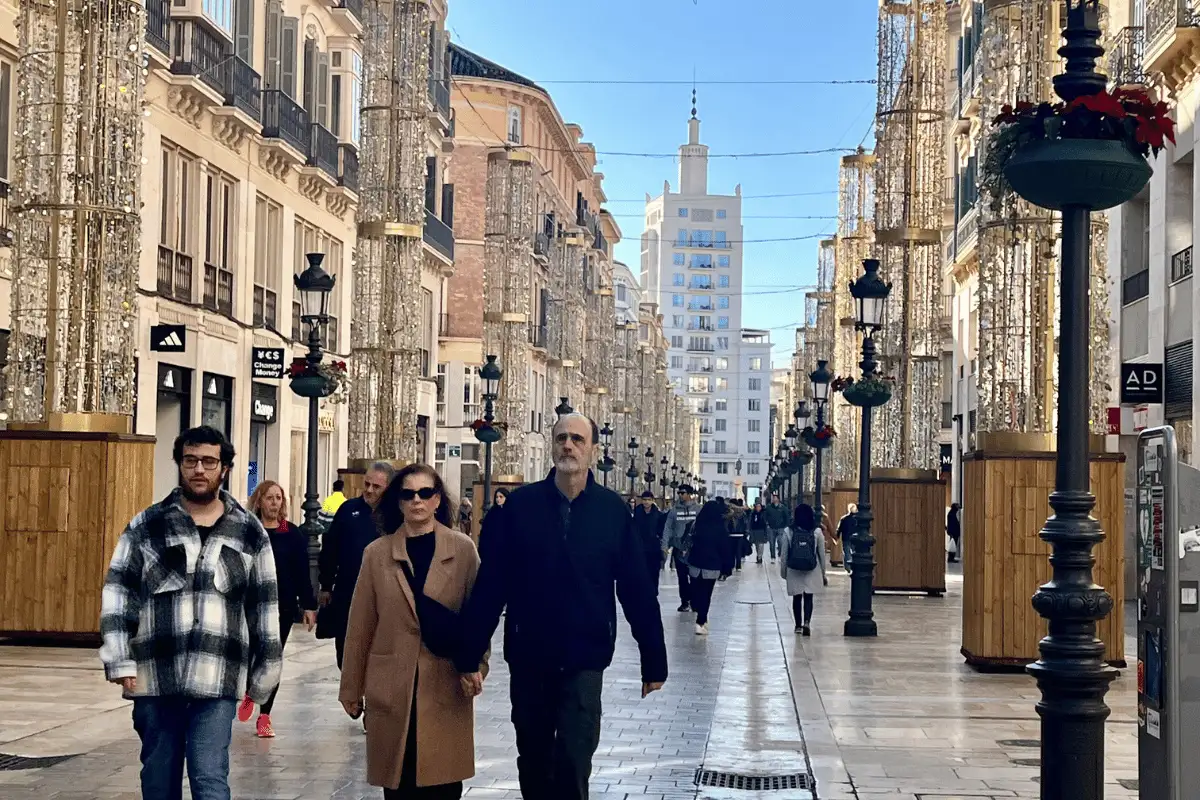
We've seen tourists slip and injure themselves. Wear shoes with good grip, not smooth-soled sandals or dress shoes. Comfortable trainers or walking shoes work best.
Flip-flops are fine for the beach promenade, but swap them for something grippier in the centre.
Best Times to Walk in Malaga
Morning (7-11am) or evening (6-9pm) are best, especially in summer. Midday is hot and many shops close for siesta. Spring and autumn are ideal for walking any time of day.
| Time | Conditions |
|---|---|
| 7-10am | Cool, quiet, shops opening |
| 10am-1pm | Comfortable, attractions open |
| 1-5pm | Hot (summer), siesta closures |
| 5-8pm | Cooling down, paseo hour |
| 8pm-midnight | Pleasant, restaurants busy |
In summer (June-September), avoid walking between 1pm and 5pm. Temperatures regularly exceed 35C. Check our monthly weather guides to plan your visit.
A few other things to keep in mind: carry water because fountains are rare in the centre, use sunscreen even on cloudy days, and download offline maps so your GPS works without data. Taxis can't enter the pedestrian zone, so they'll drop you at the edges. Markets and some shops close from 2pm to 5pm.
Guided Walking Tours
If you want context and history, consider a guided tour.
GuruWalk runs free, tip-based tours with local guides. Multiple daily departures cover the historic centre, and tours typically last 2 hours. Tip your guide at the end, with 10-15 euros standard for a good tour.
The city tourism board offers a Malaga Audio Guide App for self-paced audio tours.
For paid options, GetYourGuide has various themed tours including tapas walks, Picasso tours, and sunset walks.
When Walking Isn't Enough
For destinations beyond walking distance:
| Destination | From Centre | Best Transport |
|---|---|---|
| Pedregalejo beaches | 4km | Bus 11 or walk along seafront |
| Botanical Garden | 5km | Bus 2 |
| El Palo | 6km | Bus 11 |
| Maria Zambrano Station | 2km | Metro or 20-min walk |
| Airport | 8km | Train (12 mins) |
See our Malaga public transport guide for details on buses and the metro. If you'd rather not walk at all, check our Malaga taxi guide. You can also rent electric scooters or bikes for longer distances. If you're driving, check our parking guide.
Fun Facts About Walking in Malaga
- Calle Larios is one of Spain's most expensive shopping streets (5th highest rents nationally)
- Plaza de la Constitucion has been the city's main square since Moorish times (over 1,000 years)
- The Cathedral's missing tower was never completed because funds were diverted to support American independence
- Malaga is expanding pedestrian zones as part of its commitment to sustainable urban mobility
- The Romans, Phoenicians, and Moors all walked these same streets (foundations date back 3,000 years)
Planning your day? Our one day in Malaga itinerary covers the highlights in 24 hours. For free things to do, we've got a separate guide too.

Hola! I'm the researcher, walker, and co-founder behind Spain on Foot. I help travellers experience Spain authentically, through in-depth guides, locals-only knowledge, and cultural stories you won't find in guidebooks. You can reach me at heidi@spainonfoot.com
Planning a trip to Málaga?
Explore Málaga Guide→