Spain is one of the safest countries in Europe for tourists. Violent crime is rare, the people are friendly, and millions of visitors travel here every year without any problems.
The biggest risk is petty theft, mainly pickpocketing in busy tourist areas. After living here for a few years, we’ve seen and experienced our share of avoidable travel mishaps. These are the safety tips I give every friend who visits.
Save the emergency number 112 in your phone before you arrive. It connects you to police, medical, and fire services across Spain. For serious crimes, call the National Police on 091.
Is Spain Safe for Tourists?
Yes. Spain consistently ranks in the top 30 on the Global Peace Index and is considered one of the safest countries in Europe. The US State Department rates it as a Level 2 destination, the same as most Western European countries.
Violent crime against tourists is extremely rare. The main concern is petty theft like pickpocketing and bag snatching, especially in Barcelona, Madrid, and Seville.
With basic precautions and common sense, you’ll have a safe and enjoyable trip. For more on the specific tricks thieves use, read my guide to common tourist scams in Spain.
Research Your Destinations Before You Go
Before you set foot in Spain, a little preparation goes a long way. This isn’t just about where to stay. It’s also about where you walk, especially at night.
When choosing accommodation, think about where you’ll be spending time and how you’ll get there. Look up the areas you’re visiting and get familiar with them on a map.
If you’re unsure about a neighbourhood, head to Reddit and ask in one of the Spain travel groups. Locals and seasoned travellers are usually happy to help.
Get Travel Insurance
If there’s one thing you shouldn’t travel without, it’s solid travel insurance. Medical emergencies, theft, or trip disruptions can happen, and the last thing you want is a hefty bill.
Spain has excellent healthcare, but if you aren’t an EU citizen, you’ll need coverage for hospital visits, accidents, or doctor appointments. EU citizens should carry a valid European Health Insurance Card (EHIC), which covers public healthcare.
Pickpocketing and petty theft are the most common tourist issues in Spain. A good insurance plan will help you recover lost items and reimburse stolen valuables. Make sure your policy also covers trip cancellation, delays, and emergency evacuation.
Before purchasing a plan, read the fine print.
Understand Local Laws and Customs
Spanish laws might be different from what you’re used to. Knowing the basics can help you avoid trouble, and some of the fines might surprise you.
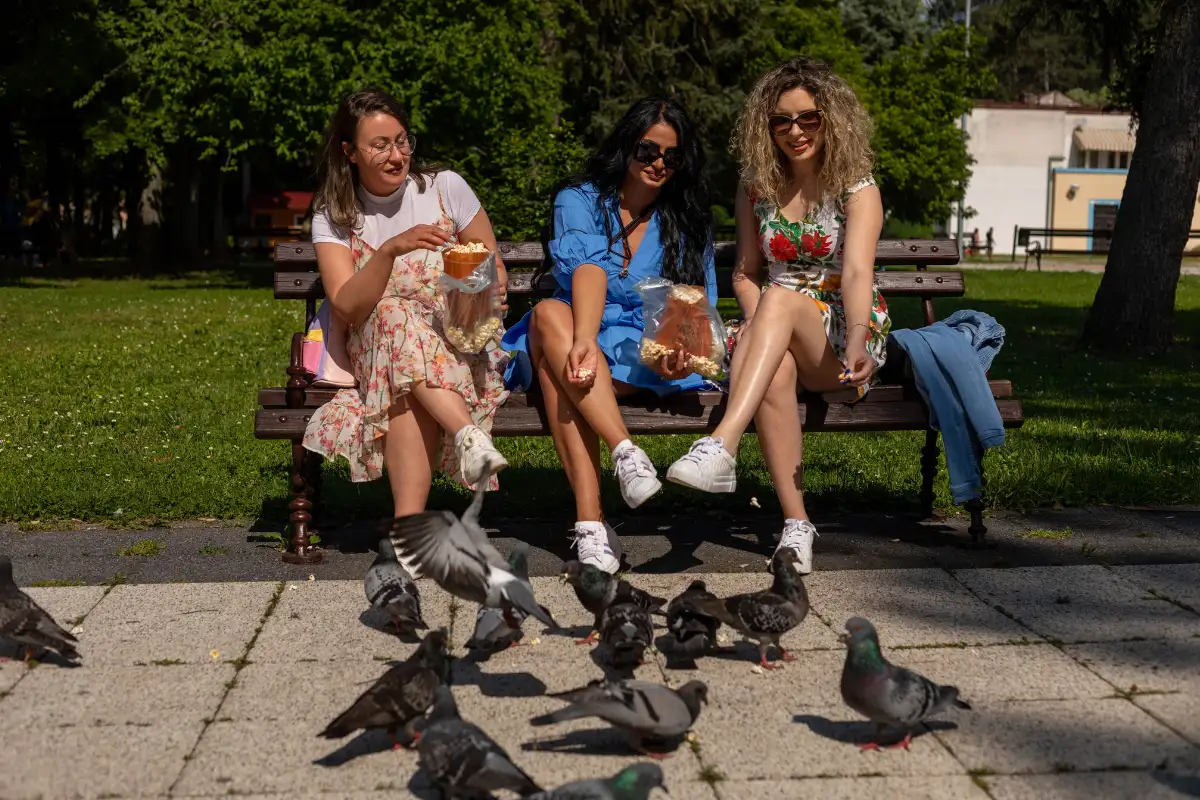
Don’t feed the pigeons. You can be fined up to 1500 euros.
Drinking alcohol in public spaces is illegal in many cities. Jaywalking can result in fines in certain areas. There’s even a law in some parts of Andalucia that says you can be fined for peeing in the ocean.
If you’re driving in Spain, there’s a whole separate set of rules to know, from speed limits to compulsory equipment. Check my driving fines guide so you don’t get caught out.
Save Emergency Contacts
You don’t want to be scrambling for help in an emergency. Before you leave, save these numbers on your phone.
- 112 is Spain’s general emergency number for police, medical, and fire
- 091 is the National Police for serious crimes or emergencies
- 092 is the Local Police for non-urgent issues like minor theft
- 061 is for medical emergencies
- Save your country’s embassy or consulate number
- Look up the closest hospital to where you’re staying
Keep a written copy on your person too, in case your phone gets stolen.
Learn Basic Spanish Phrases for Emergencies
Not everyone in Spain speaks English, especially in smaller towns and especially when dealing with authorities. A few key phrases can make a real difference.
- “Ayuda” means help
- “Llama a la policia” means call the police
- “Necesito un medico” means I need a doctor
- “Donde esta el hospital mas cercano?” means where is the nearest hospital?
- “Me han robado” means I’ve been robbed
- “No me siento bien” means I don’t feel well
Protect Yourself from Pickpockets
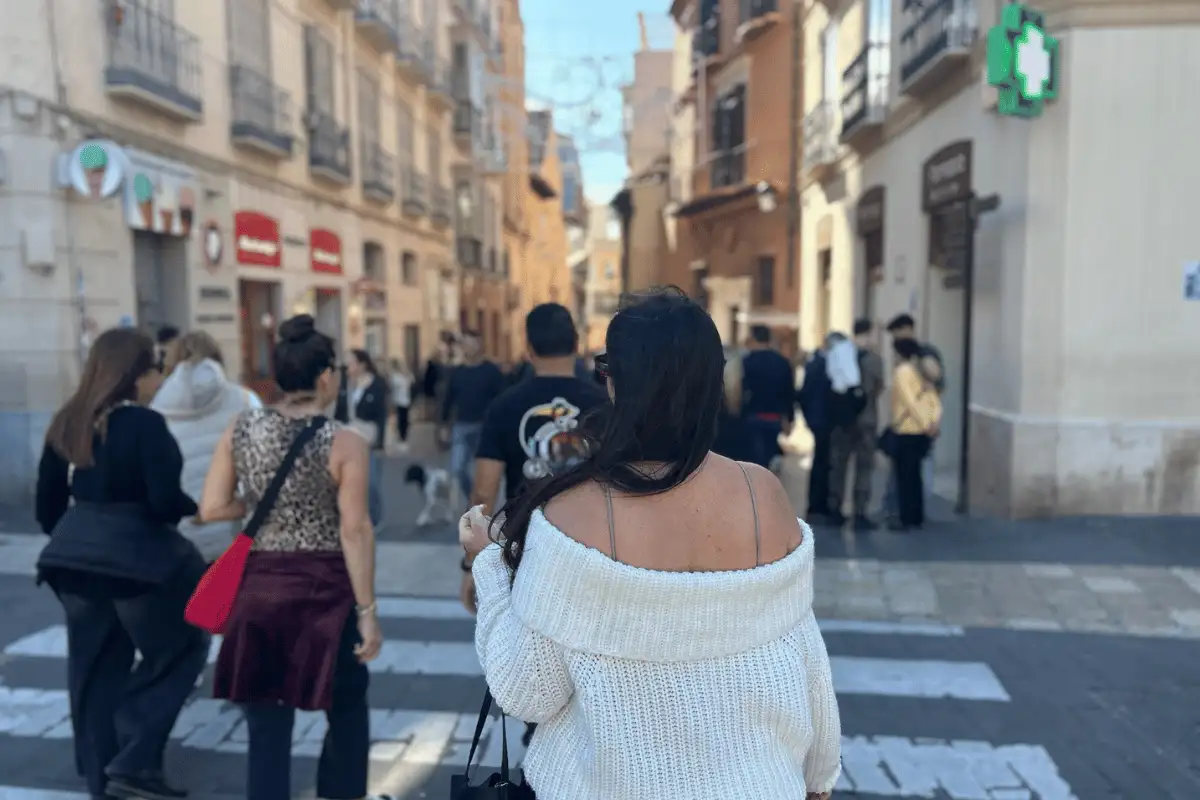
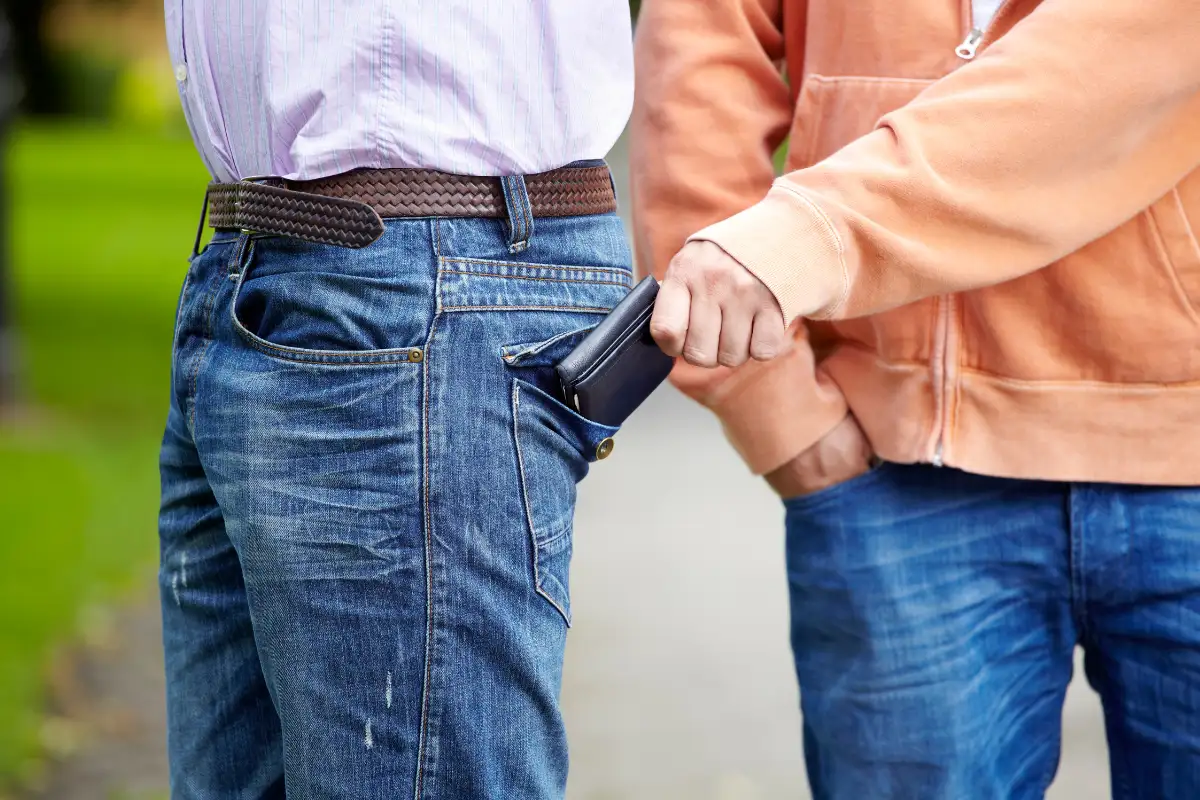
Spain’s cities, especially tourist hotspots like Madrid, Barcelona, and Seville, are prime hunting grounds for pickpockets. These aren’t clumsy thieves. They’re quick, work in teams, and use distractions.
Keep your bag zipped and in front of you, not hanging off your back. Avoid keeping your phone or wallet in your back pocket. Be extra cautious in crowded places like metro stations, markets, and bus stops.
A crossbody bag with a zip is a simple investment that makes a big difference. Some travellers also use a phone leash to keep their device secured.
Is It Safe to Walk Around Spanish Cities at Night?
Yes, most Spanish cities are safe at night. Spaniards stay out late as a cultural norm, so a lively street at 2 AM isn’t necessarily unsafe.
Stick to well-lit areas and main streets. If you’re out late, opt for a licensed taxi or rideshare rather than wandering unfamiliar streets alone.
Watch your drink. It’s rare, but drink spiking does happen, just like in any major city.
Always trust your gut. If a street feels off, turn around and find a busier route.
Is Spain Safe for Solo Female Travellers?
Spain is widely considered one of the safest European destinations for solo female travellers. The culture is social and welcoming, public transport is reliable, and most tourist areas are well lit and busy even late at night.
The same general precautions apply. Keep your belongings secure, stay aware of your surroundings in crowded areas, and use licensed taxis or Uber and Cabify for late-night journeys. Share your location with a friend or family member when heading somewhere new.
Smaller towns in Andalucia, like Frigiliana and Ronda, feel especially safe and are popular with solo travellers.
Use ATMs Safely
Spain is largely a card-friendly country, but cash is still useful for smaller purchases. If you need to withdraw money, use ATMs inside banks rather than random machines on the street.
Be wary of anyone standing too close while you enter your PIN. Keep an eye on your bank statements for unexpected charges. Let your bank know you’re travelling so they don’t block your card.
Stay Safe on Public Transport
Spain’s metro and bus systems are efficient and generally safe. Rush hour can be a prime time for pickpockets, though.
Keep an eye on your bags when getting on and off trains. If someone is making a scene or causing a distraction, be extra cautious.
It could be a setup for a theft. Don’t flash expensive gadgets in crowded spaces.
Only use ride services you trust. Uber and Cabify are fine, just verify your driver and enable location sharing so someone knows you arrive safely. Always take officially marked taxis.
Choose Safe Neighbourhoods for Accommodation
Where you stay can have a real impact on your safety. Spain is generally a safe country, but some areas are more prone to pickpocketing or petty crime, especially in big cities.
If you’re booking an Airbnb or hotel, check recent reviews for any mentions of safety concerns. Google Street View can also help you get a feel for the area before you book.
When doing your research, ask on the Spain forums for local advice and check reviews carefully. We have neighbourhood guides for where to stay in Malaga, Seville, and Granada that cover safe areas in detail.
Secure Your Accommodation
Different types of accommodation come with different safety considerations.
For hotels, stick to reputable places with 24/7 reception. Request a room above the ground floor for added security. Lock your door even when inside.
For hostels, choose ones that offer secure lockers for valuables. Bring your own padlock just in case. Stay in hostels with key card access or coded entrances.
For Airbnbs, only book Superhosts or well-reviewed listings. Confirm how you’ll access the property. Keyless entry or a secure lockbox is better than being handed keys in a random location.
Use Hotel Safes for Valuables
A hotel or Airbnb safe is your best friend when it comes to protecting important belongings. Store your passport, extra cash, and credit cards inside whenever you leave.
Avoid keeping all your money in one place. Leave some in the safe and carry only what you need for the day. If there’s no safe, hide items somewhere in the room that even a cleaner wouldn’t go.
Always keep copies of your important documents in your email or cloud storage in case your devices go missing.
Look After Your Health
Looking after yourself can take a backseat on holiday. I’ve made some questionable food choices after a few drinks.
Only eat at places that look clean and busy. Stay hydrated, especially in hot cities like Seville and Cordoba during summer.
Use sun protection. Be wary of the waves. Spain’s ocean may look calm, but rip currents do exist.
Make a mental note of where the nearest hospital is. In Malaga, for example, it’s really hard to get an on-the-spot appointment with a normal doctor. Your best bet is to go straight to the hospital, which is completely normal in Spain and covered by most travel insurance.
Respect Local Customs
Spain is pretty relaxed, and the people are amazingly helpful. You won’t have any issues if you show basic respect.
You’re the tourist. When communicating with anyone, go slow and don’t escalate, no matter how frustrating the language barrier might be.
It’s normal for Spanish people to get close to you and speak loudly. It’s not them being confrontational.
What to Do If Something Goes Wrong
Even with the best precautions, unexpected situations can happen. Knowing what to do can save you time and stress.
If You Are a Victim of Theft
Pickpocketing is the most common crime tourists face in Spain, especially in crowded areas like metro stations and popular landmarks.
Stay calm and check if anything was dropped nearby. Report the theft to the local police by going to the nearest station or calling 091. You’ll need a denuncia (police report) for insurance claims or replacement documents.
Cancel stolen credit and debit cards immediately using your banking app. Track your phone using Find My iPhone or Google’s Find My Device.
If your bag was snatched, don’t chase the thief. Look for nearby police officers or a safe place to ask for help.
Spain takes theft reports seriously, and in some cases, the police recover stolen items.
Contacting the Police
Spain has a central emergency number, 112, which connects you to police, medical services, and fire departments. Operators speak English, so don’t hesitate to call.
For theft or minor incidents, call 091 for National Police or 092 for Local Police. In major cities, police stations in tourist areas often have English-speaking officers.
Lost Passport
Losing your passport is stressful but fixable. Report the loss to police and get a denuncia. Then contact your nearest embassy or consulate.
You’ll likely need a passport-sized photo, a copy of your lost passport if available, the police report, some form of alternative ID, and payment for the replacement fee. Many embassies issue emergency travel documents if you have a flight soon.
Keep digital copies of your passport stored in your email or cloud storage to speed up the process.
Medical Emergencies
Spain has excellent healthcare. Public hospitals provide emergency treatment to everyone, including foreigners.
Call 112 for urgent emergencies. Operators can connect you to an ambulance or direct you to the nearest hospital. For non-life-threatening issues, visit a local clinic (centro de salud) or a private hospital if your insurance covers it.
If you need medication, Spanish pharmacies (farmacias) are well-stocked and pharmacists can advise on minor issues. You’ll also find that medication is really cheap compared to many other countries.
If you take prescription medication, carry a copy of your prescription in case you need a refill while abroad.
Final Thoughts
Do your research, trust your gut, and plan for the unexpected.
Spain is a fantastic country, and with a little common sense, your trip will be nothing but good memories and probably too much tapas. Stay aware, trust your instincts, and enjoy your time here.